
 1800 - 208 - 1015

 Stores
 Catalogue


Tile Area
- Bathroom Tiles
- Kitchen Tiles
- Living Room Tiles
- Load More
Tile Type
- Ceramic
- Glazed Vitrified Tiles
- Digital Tiles
- Load More
Tile Size
- 300x450 mm
- 600x1200 mm
- 300x300 mm
- Load More
Factory Production
- West Zone
- Sikandrabad
- Dora
- Load More
Color
- Grey
- Beige
- Brown
- Load More
Tile Collections
- 1200x1800 mm
- Anti - Skid Tiles
- Anti Viral Tiles
- Load More
Wall/Floor
- Walls
- Floors
Tile Finish
- Glossy Finish
- Matte Finish
- Carving Matte
- Load More
Check Offer Price
Showing results
Bathroom Tiles
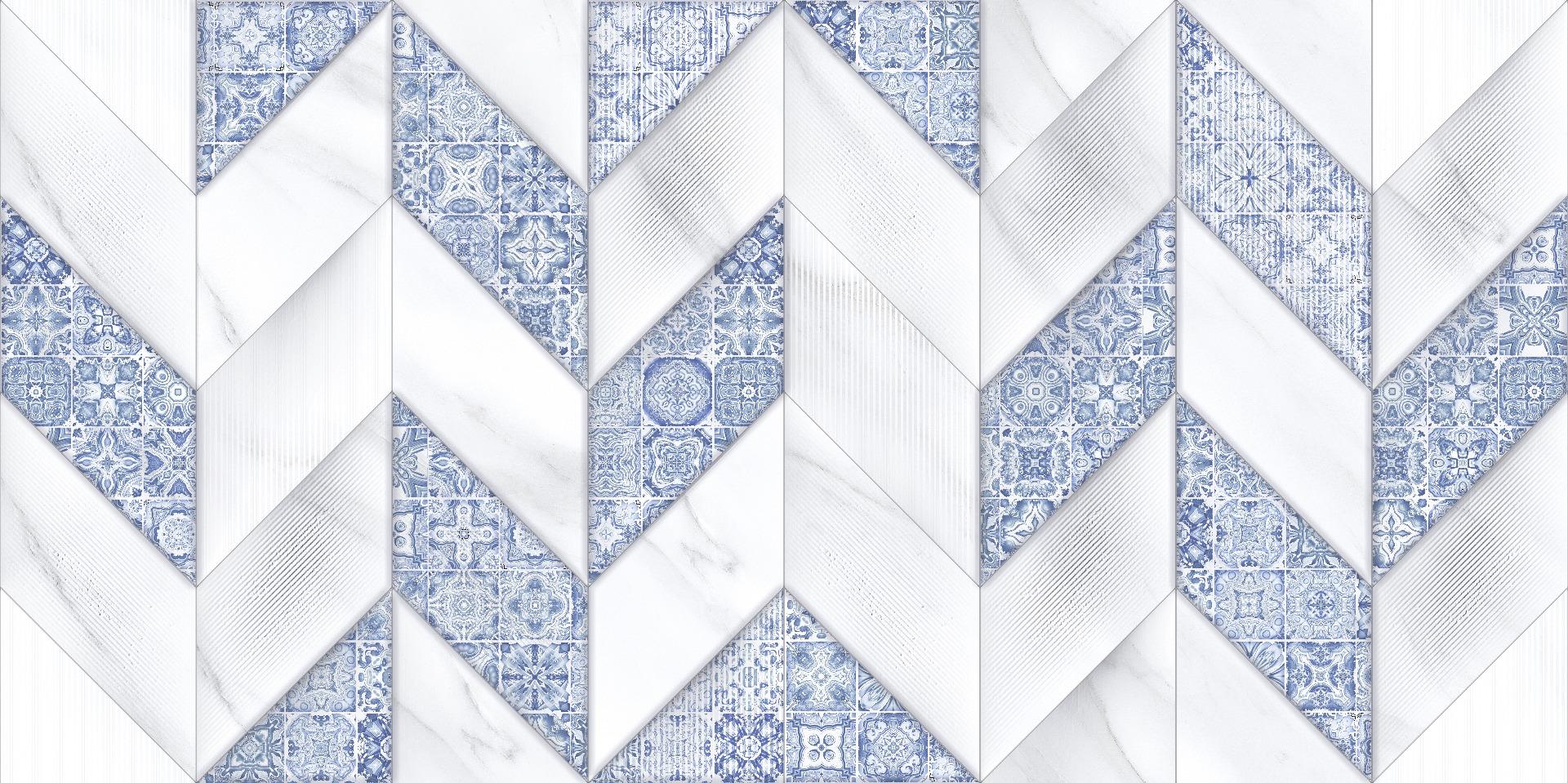
The stunning range of modern bathroom tile designs adds a touch of style to the bathroom. The perfect suit tiles can enhance the overall look of your bathroom by drawing attention to the floors and walls. Orientbell Tiles offers a wide range of bathroom tile designs available in different colours, materials, size, and finishes to suits your taste!
Orientbell Tiles brings to you a curated selection of luxury bathroom tile designs that work efficiently to elevate your space. From Indian toilet tile designs that infuse traditional elegance to modern options to refresh your space, our range of bathroom floor tiles or bathroom wall tiles has the right blend of design, finish, and materials. Let's see how the right tiles can improve the bathroom's feel while making it functional and aesthetically pleasing.
Bathroom Tiles Design Ideas
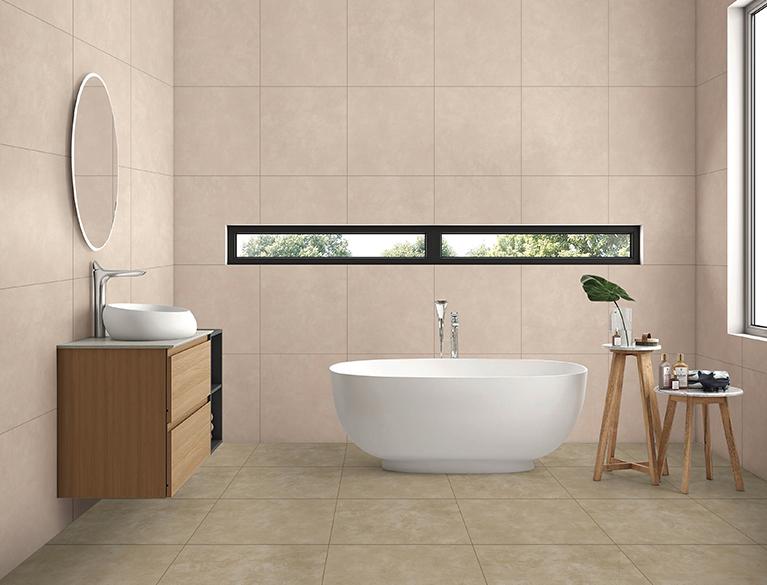
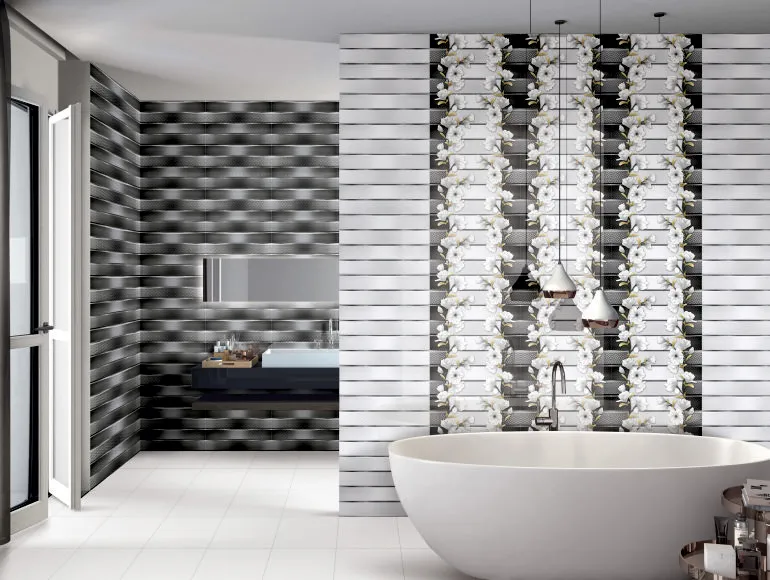
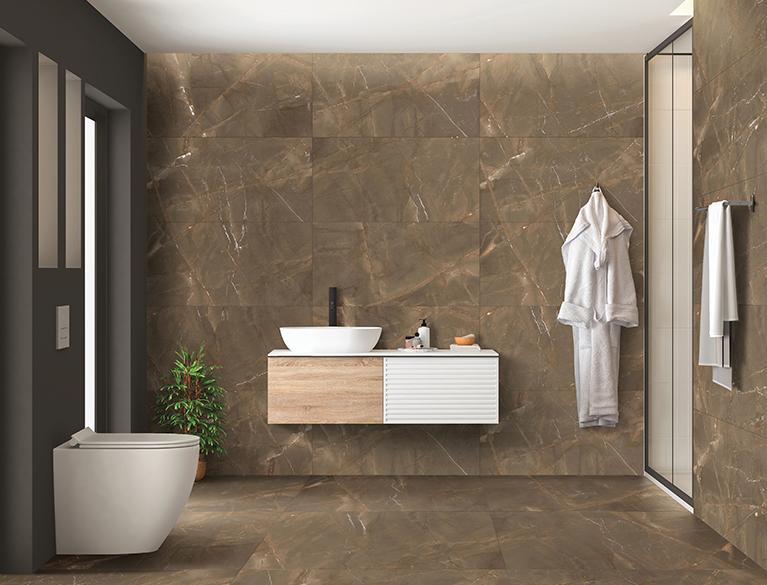
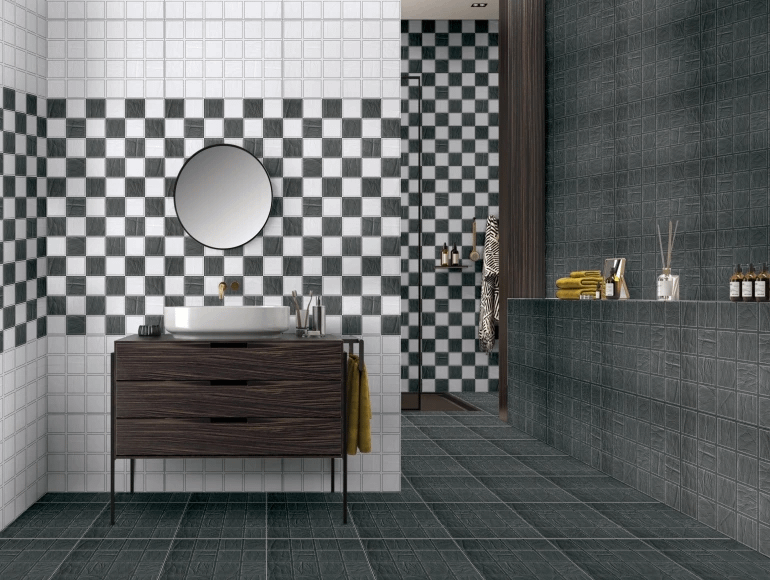
The stunning range of modern bathroom tile designs adds a touch of style to the bathroom. The perfect suit tiles can enhance the overall look of your bathroom by...
Prices updated on 28th April 2026
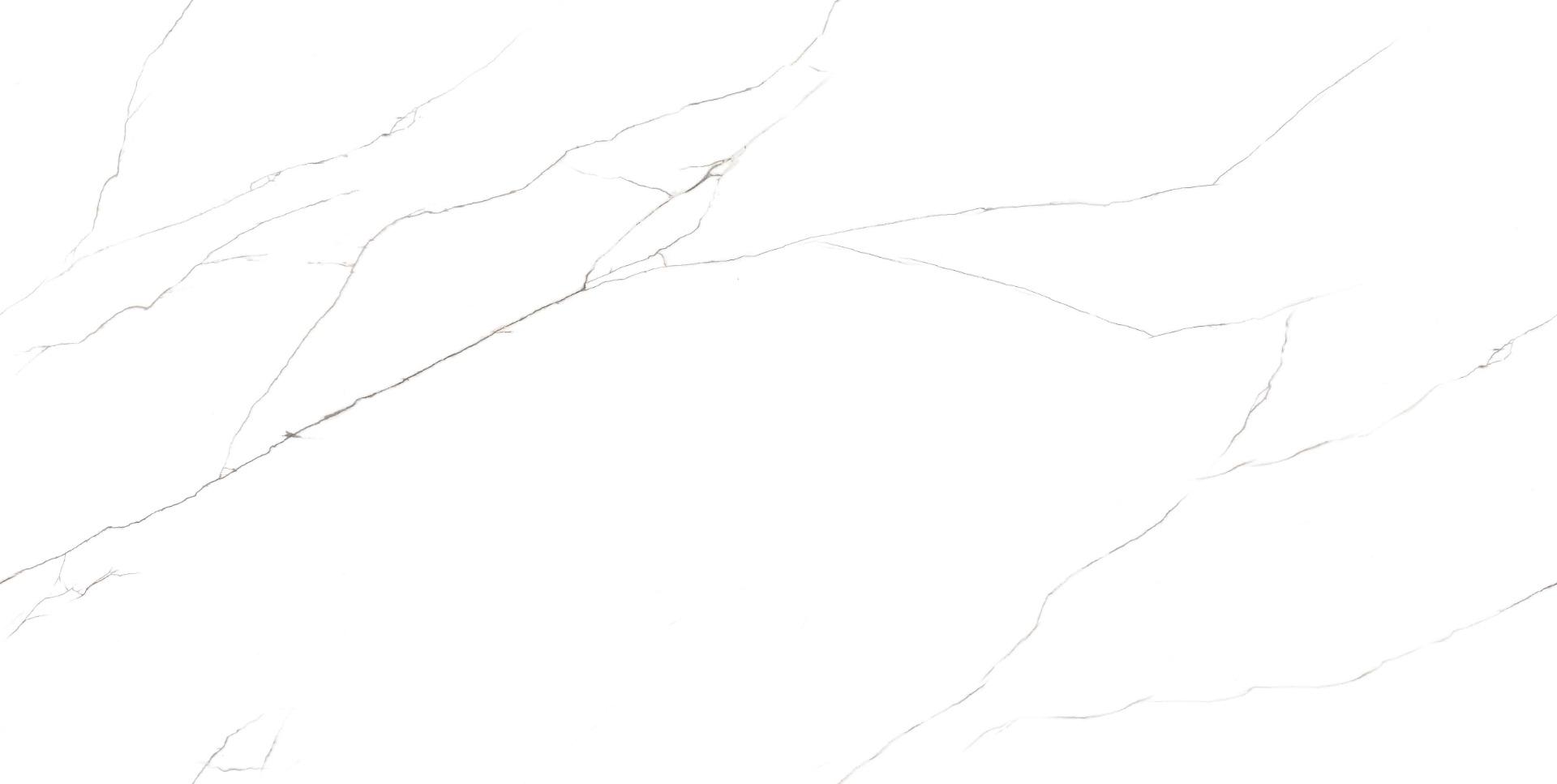
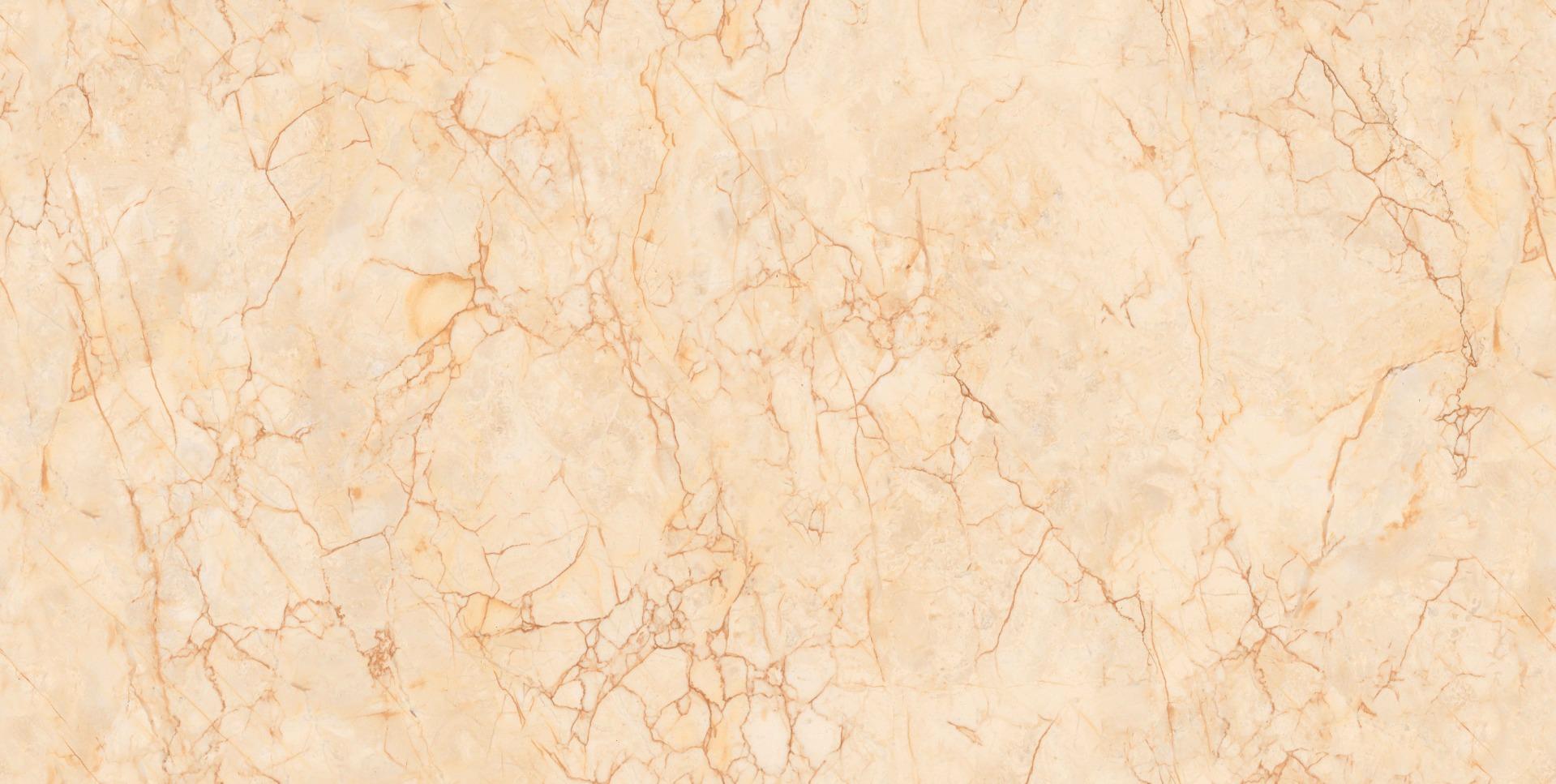
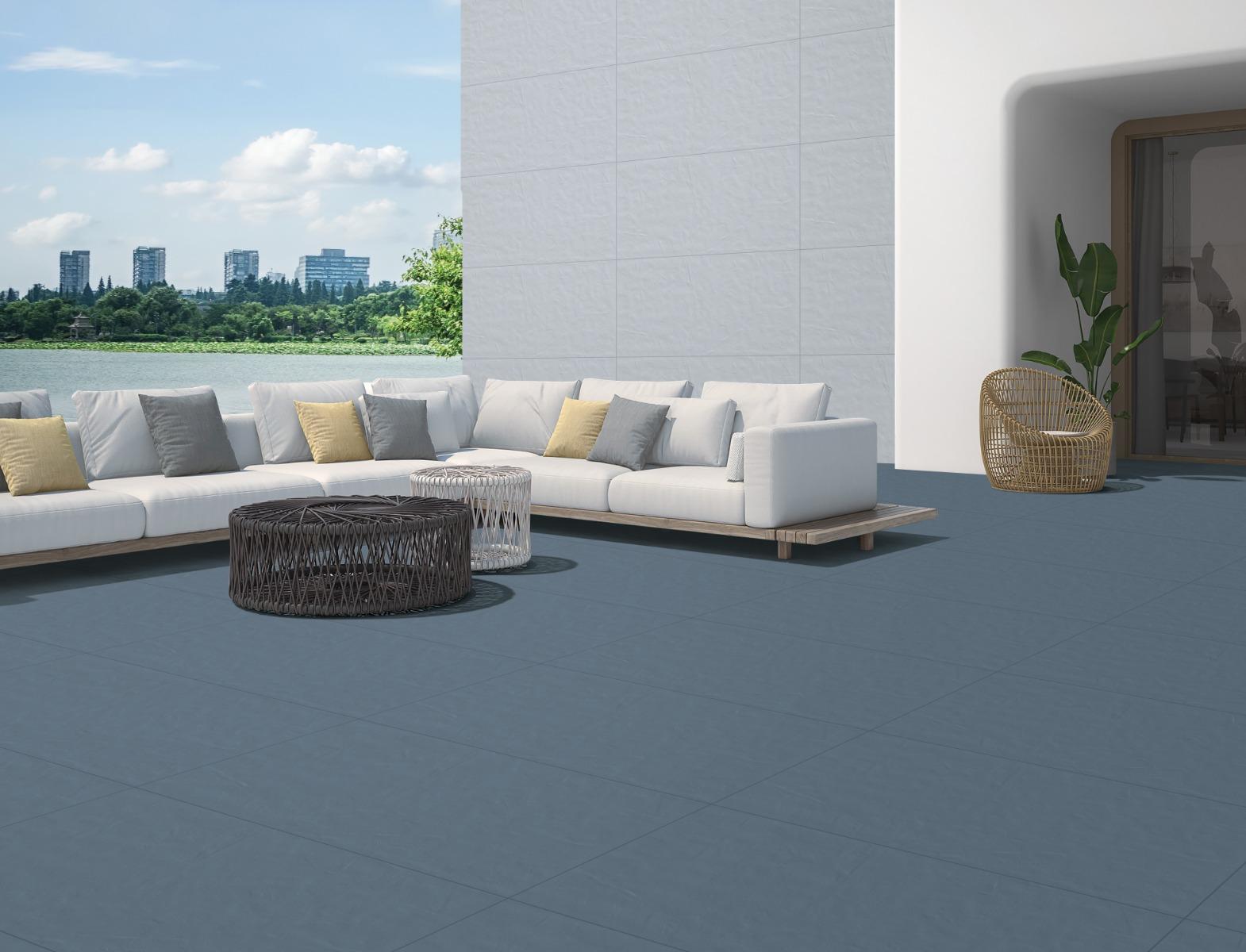


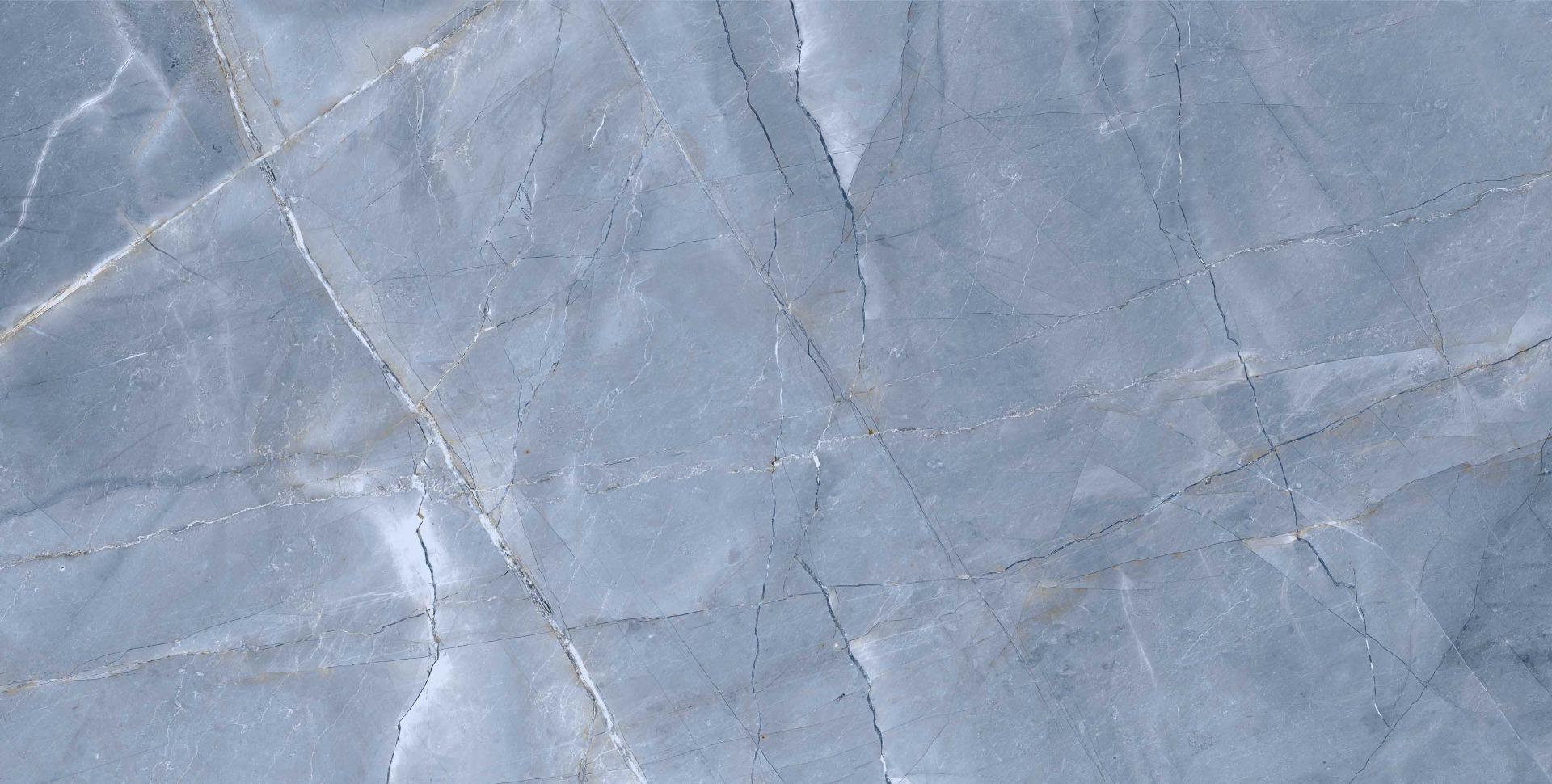


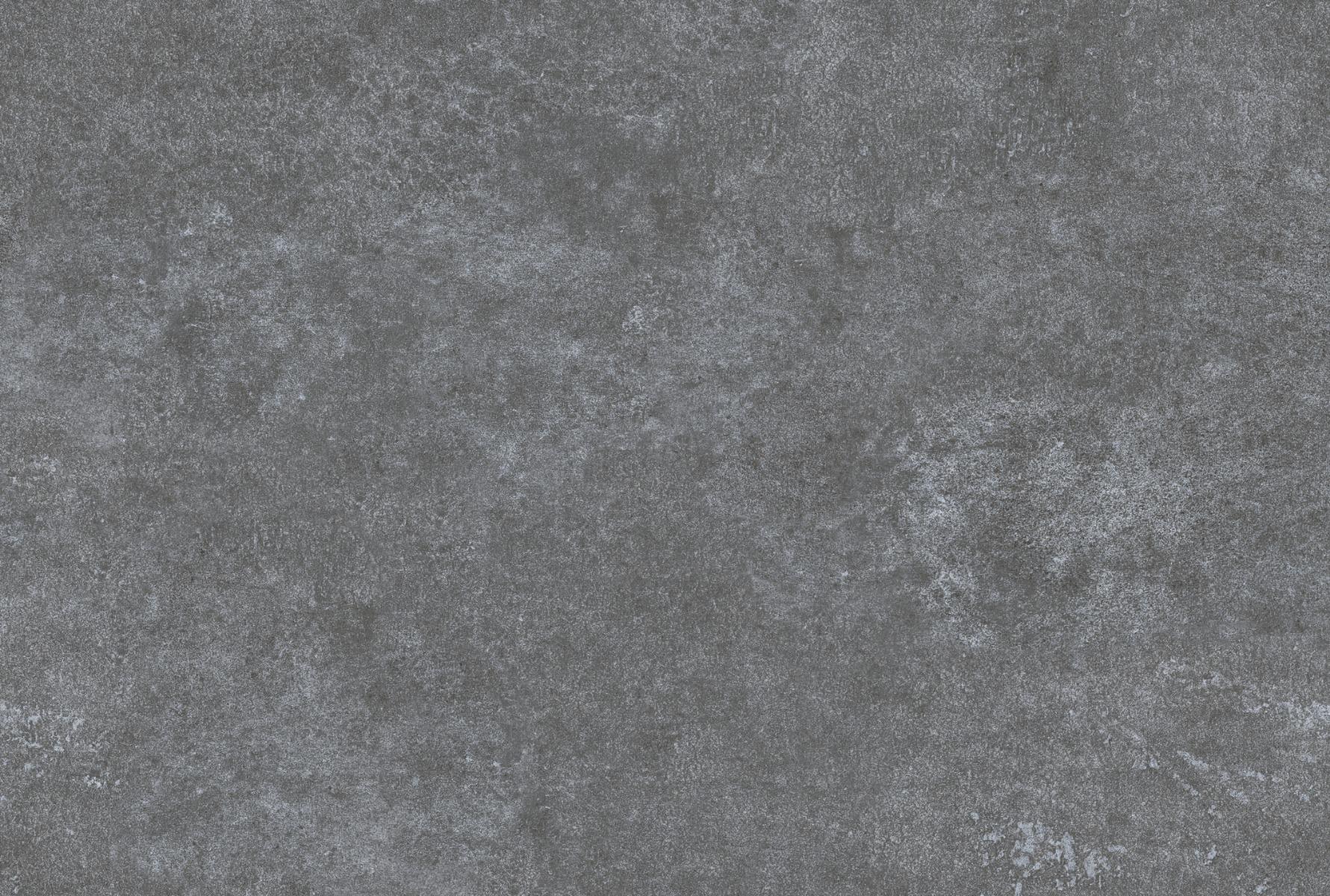
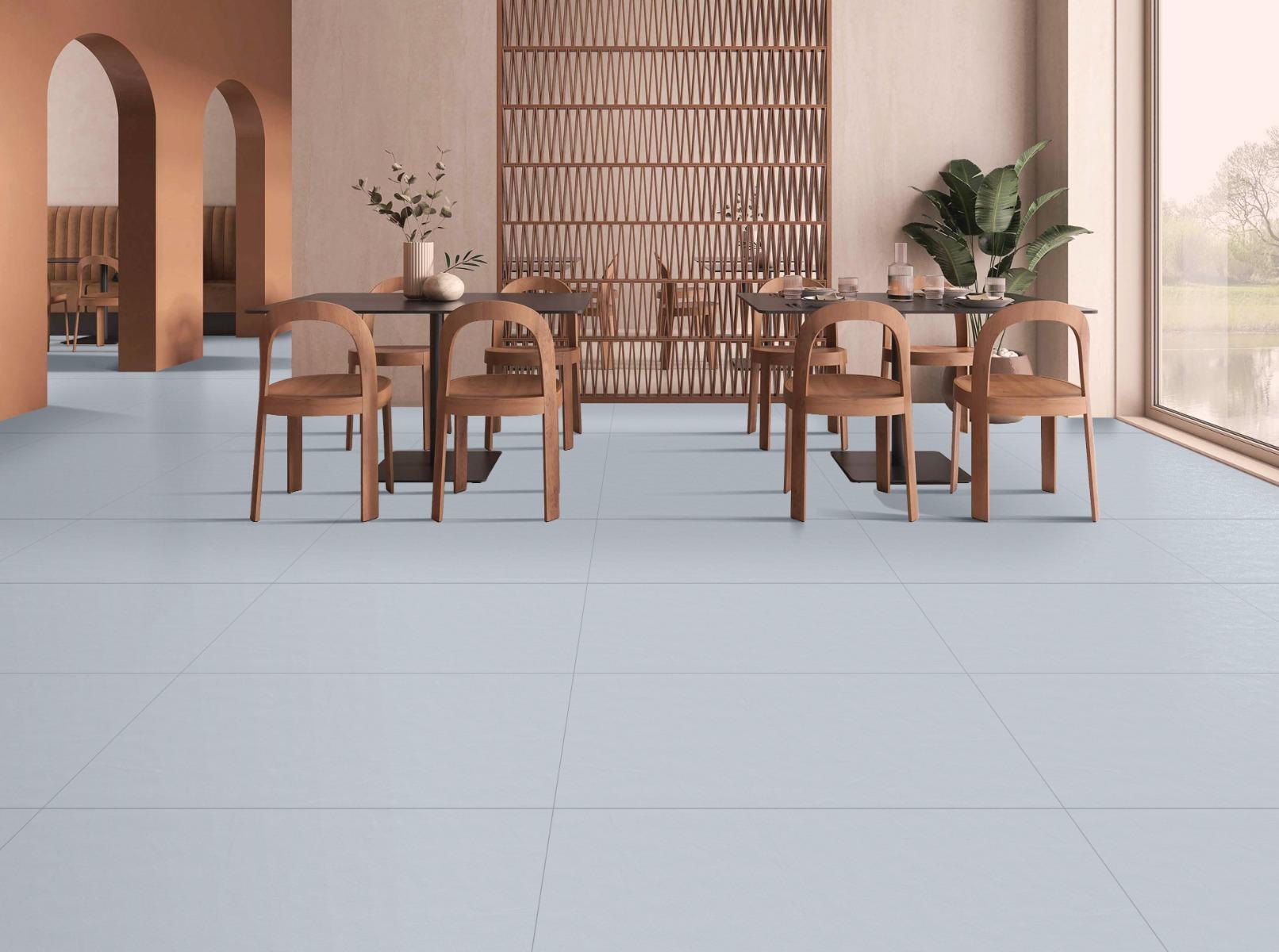


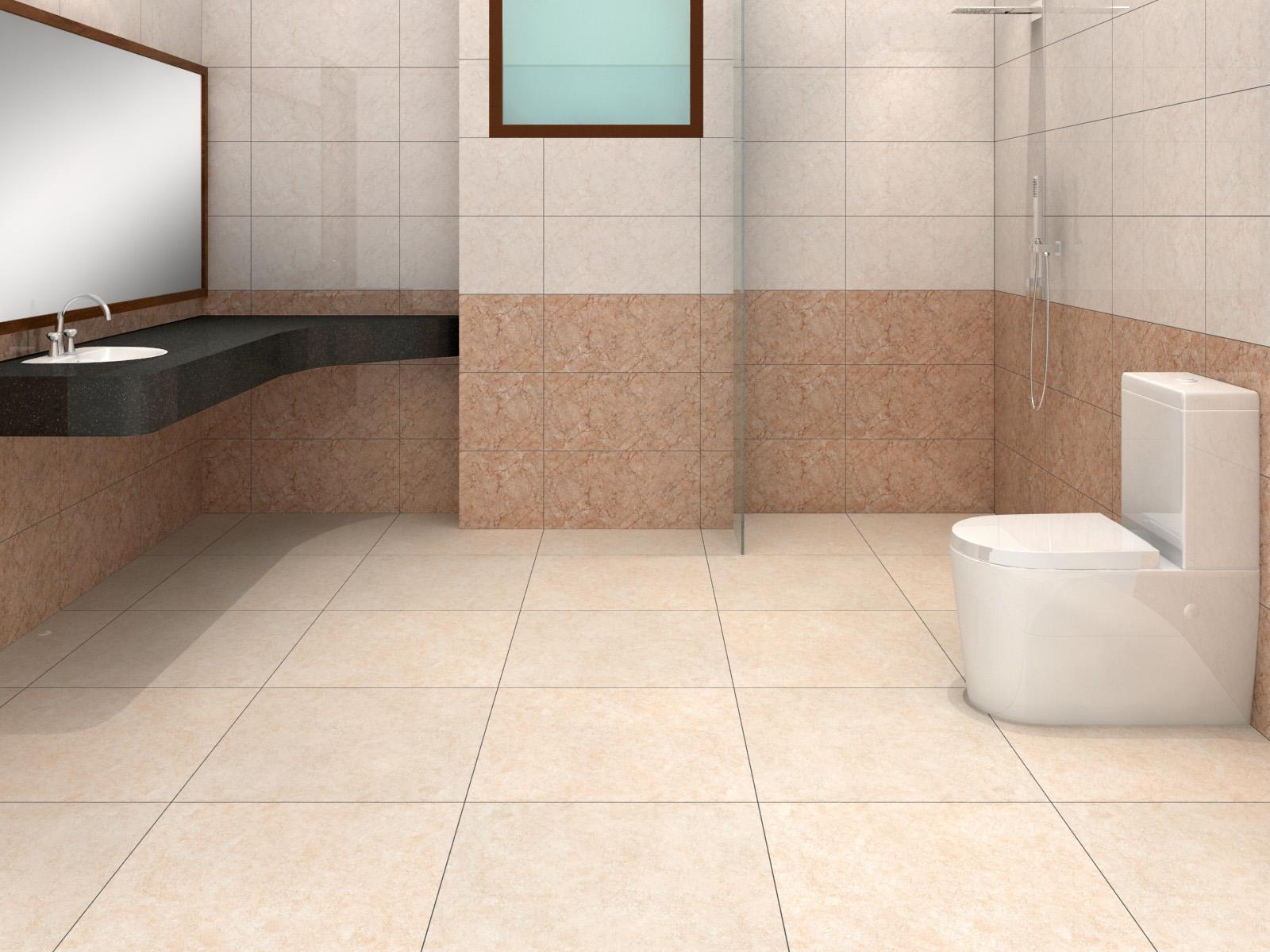
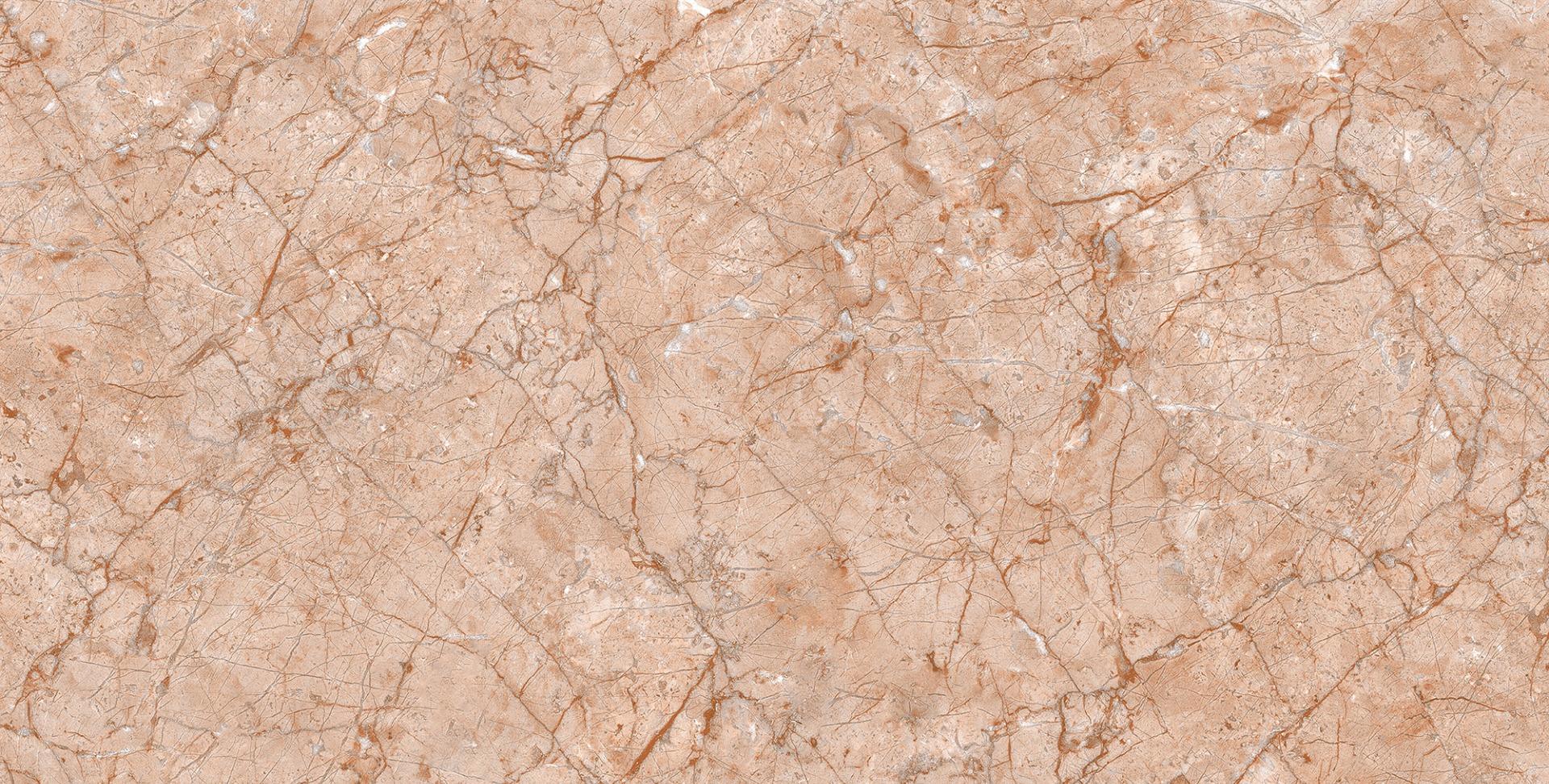






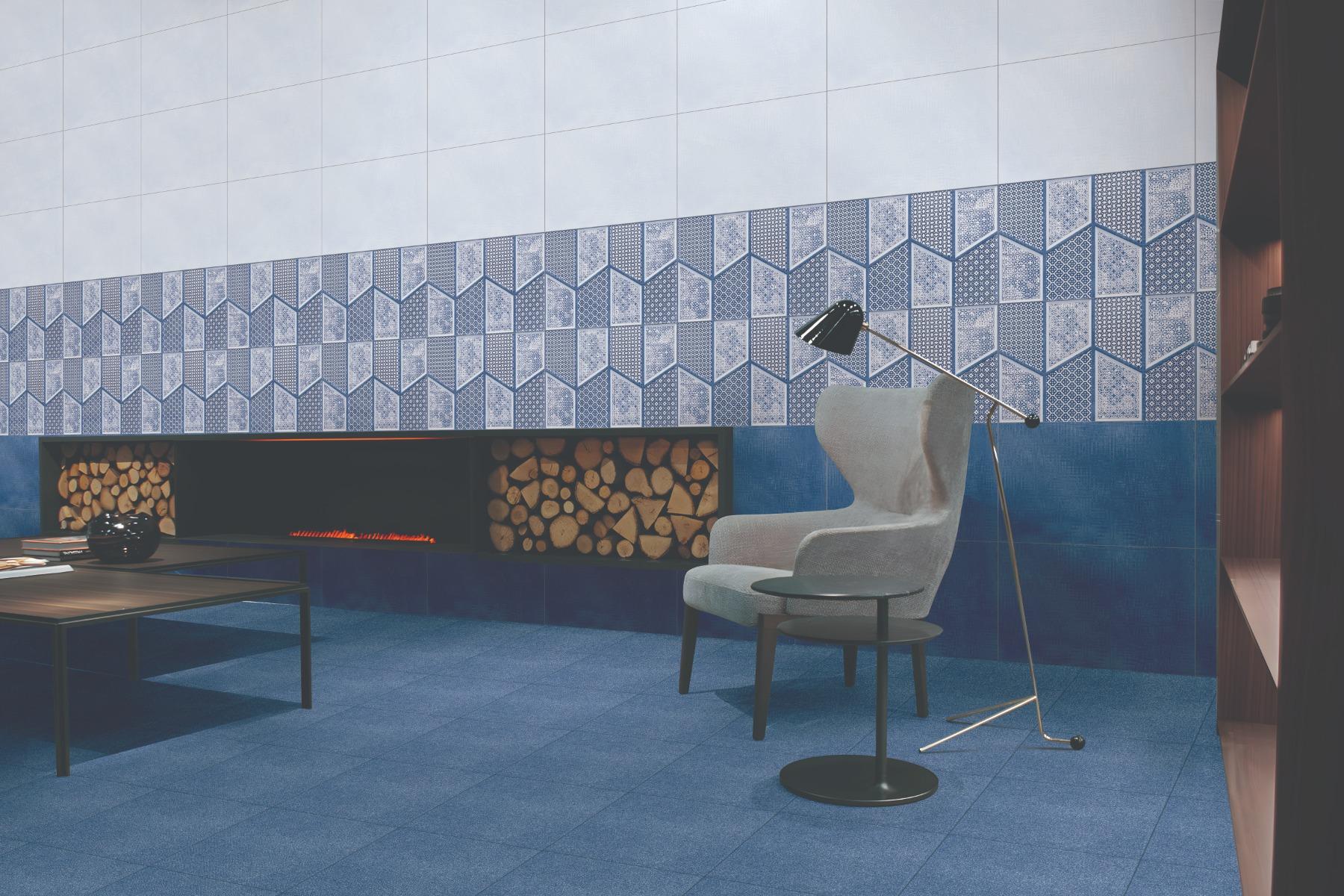


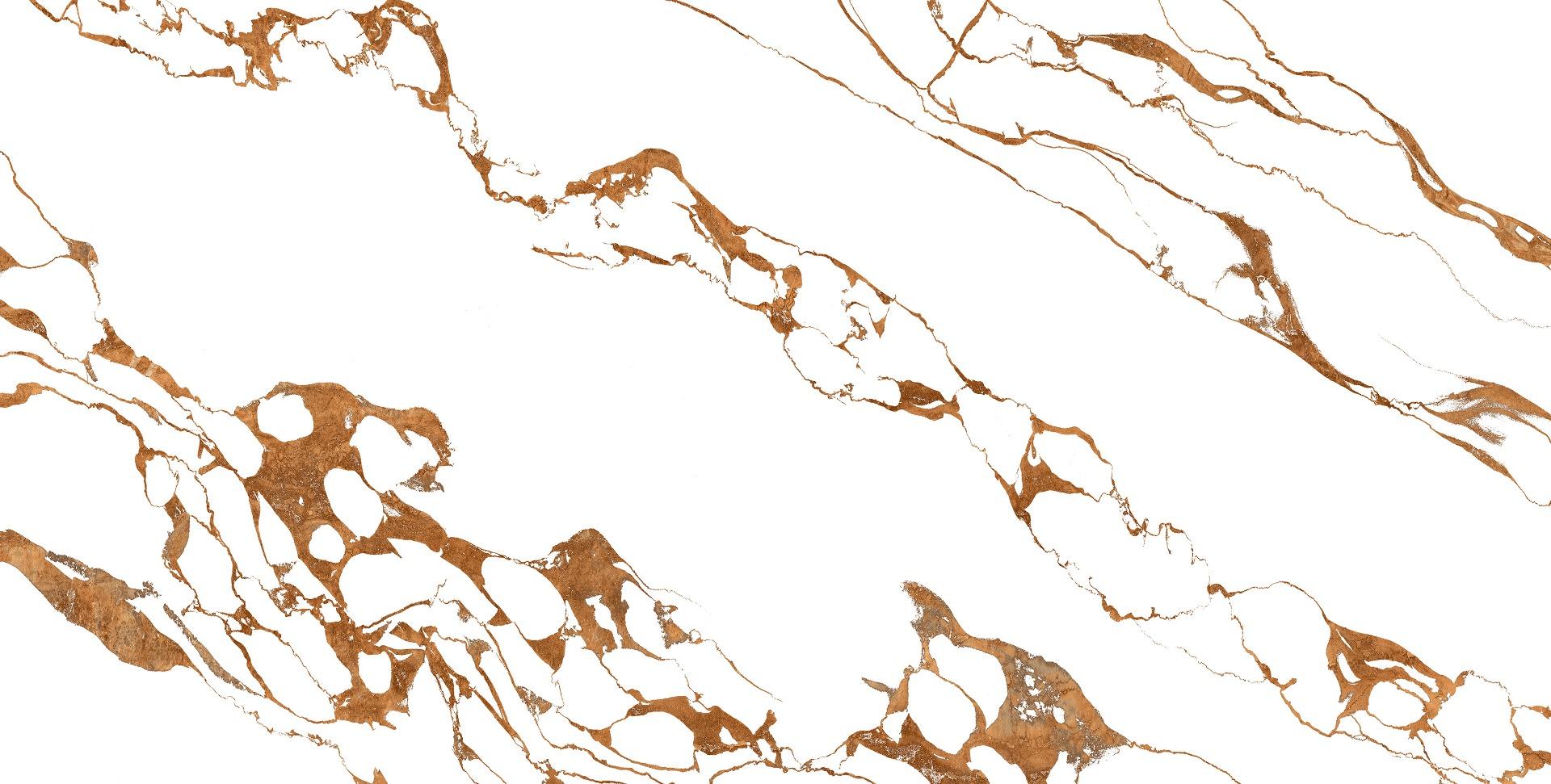

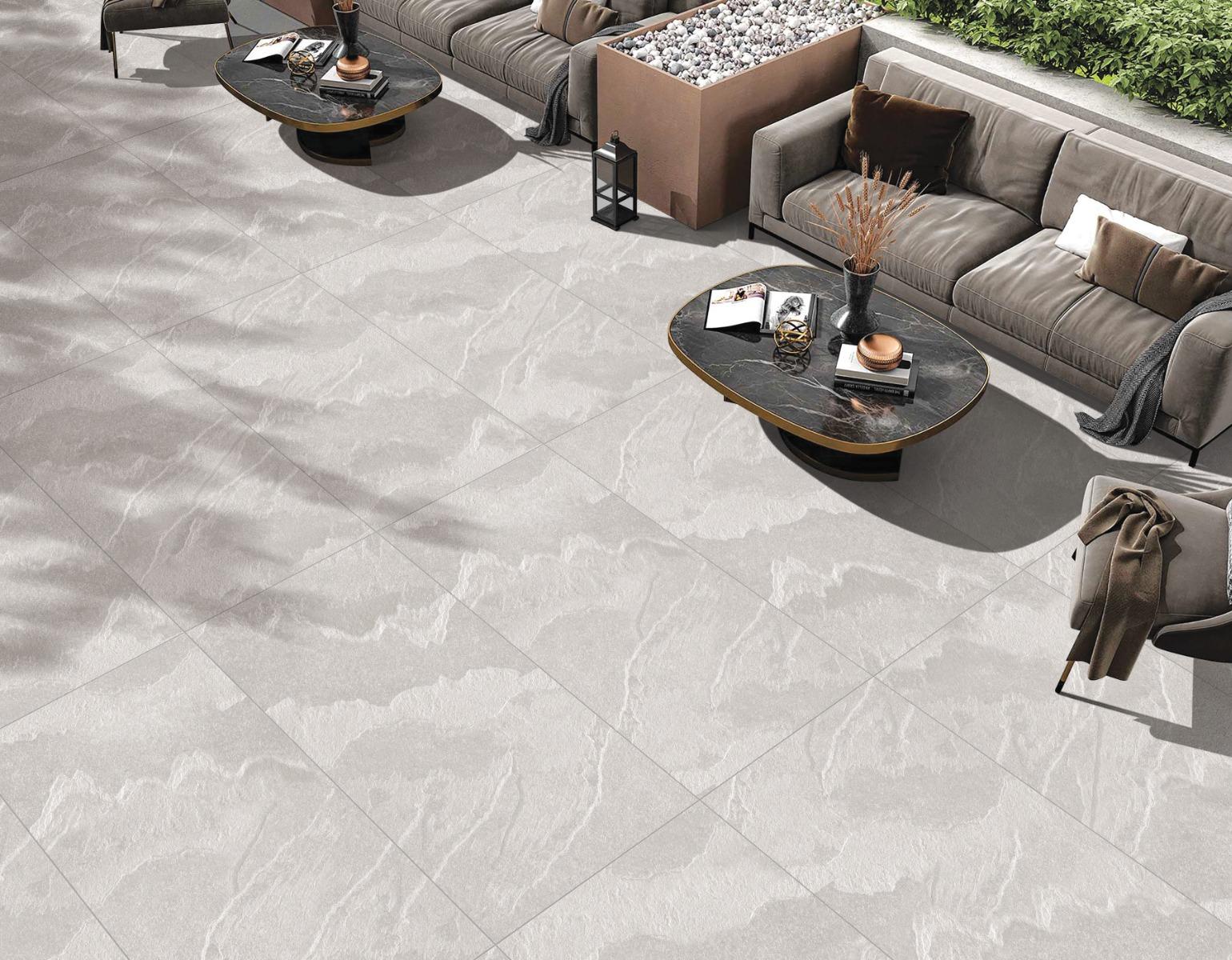
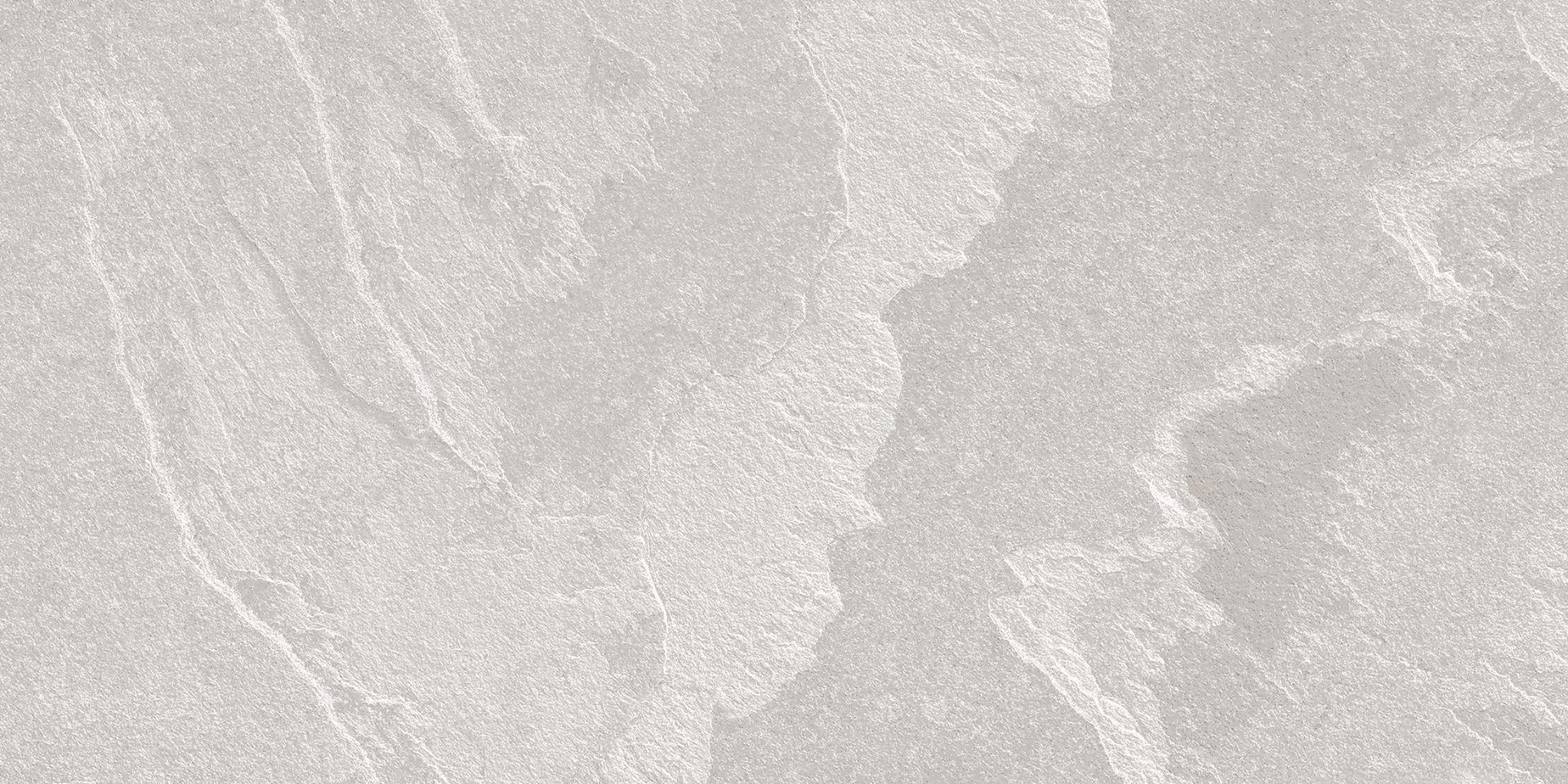
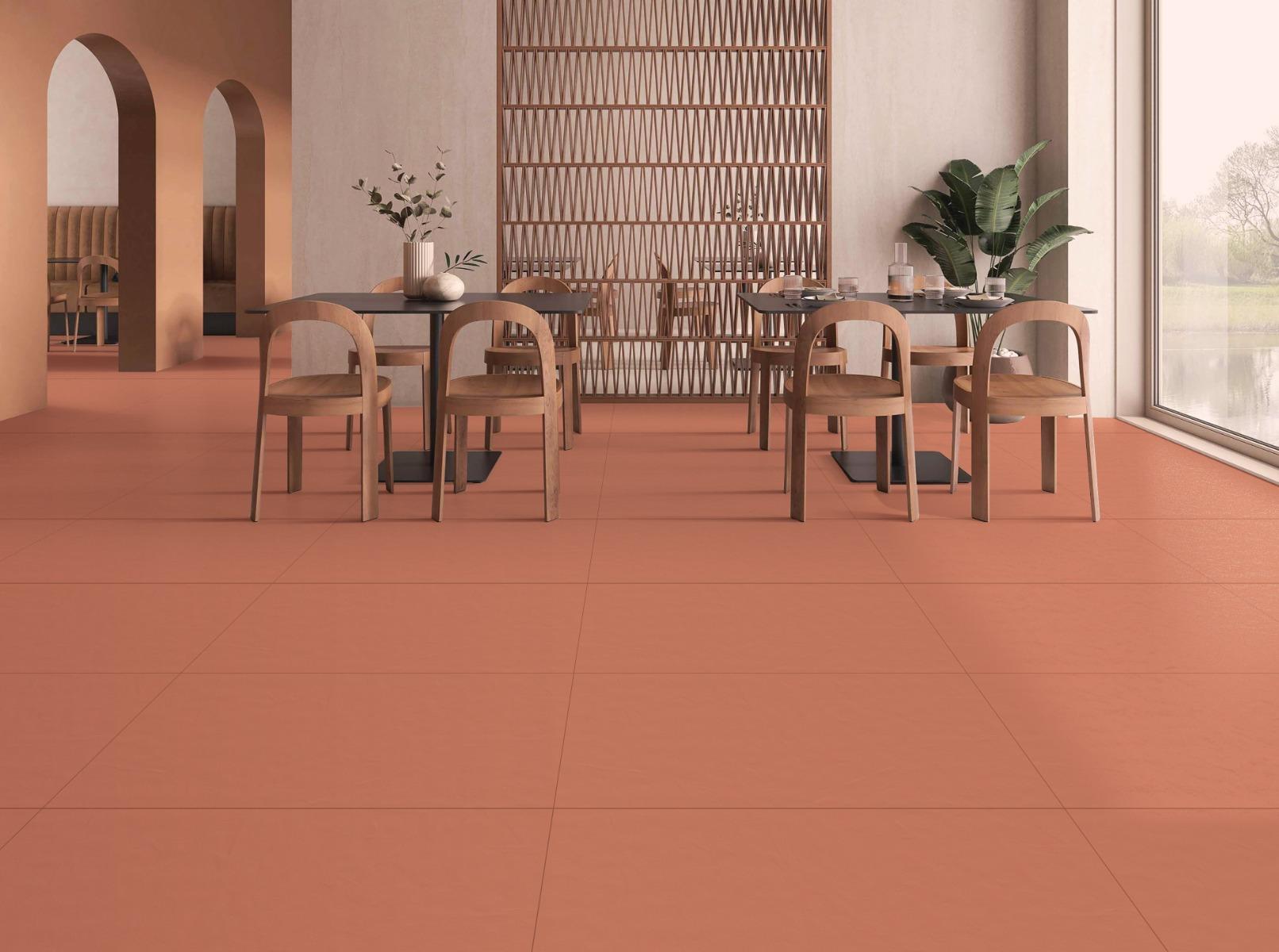


Popular Bathroom Tile Sizes
Check the available bathroom tile sizes
| Type | Size in MM |
|---|---|
| Small size | 300x300mm 300x450mm 200x300mm |
| Regular size | 600x600mm 300x600mm 395x395mm |
| Large size | 800x2400mm 600x1200mm 800x1600mm 1200x1800mm |
| Plank Tiles | 195x1200 / 200x1200mm 145x600mm |
Bathroom Tiles Price
There are a wide variety of modern bathroom tile designs in India which vary in their colours, sizes, materials, finishes and prices. Even if you have a tight budget, you can still use some of the best bathroom tiles just by clubbing them with other tiles! Let’s say you want a combination of small bathroom tiles design for your shower area which are also anti-skid tiles, you can combine 2 or 3 low-priced appealing designs together to create an attractive concept. Be it clubbing plain tiles with highlighter tiles or designer tiles; you can still get stylish bathroom decor even on a tight budget.
| Tile Type | Minimum Price | Maximum Price |
|---|---|---|
| Bathroom Tiles | Rs. 34 per sq. feet | Rs. 356 per sq. feet |
Best Tiles Color for Bathroom
Fill your bathroom with personality and color by using a mindfully curated palette of colours. The colour in the bathroom sets the tone and gives it the relaxing vibe you are looking for. From a lush garden to a serene seashore, you can use these colours to evoke the feeling of safety and calm.
- Black: Nothing says luxury in a bathroom better than black tiles. It gives your bathroom an edge and makes it bold. Your toilet tile design with black bathroom tiles can bring modernity to the space.
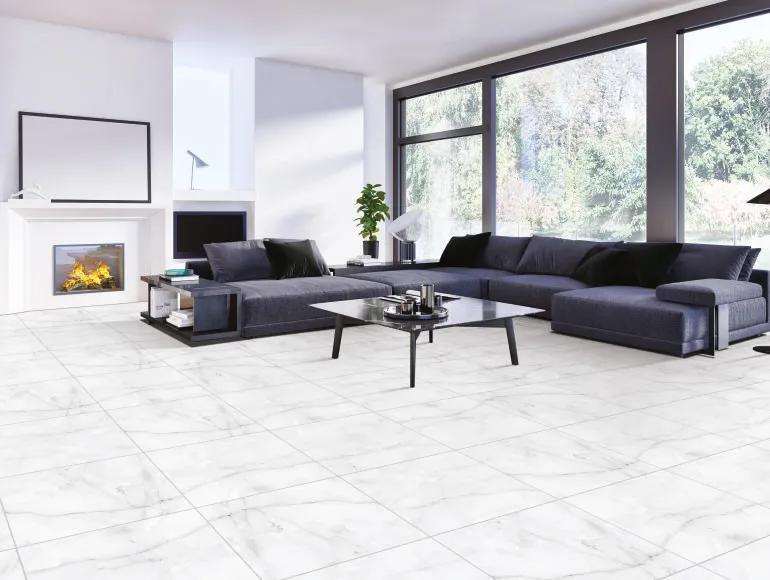
- White: White tiles for the bathroom are the easiest to pair and are essential for compact bathrooms. They are timeless, versatile, and bring openness and brightness to the space. These work well in a bathroom with less natural light but smart lighting inside. White tiles are a great base for textures and contrasting decor.
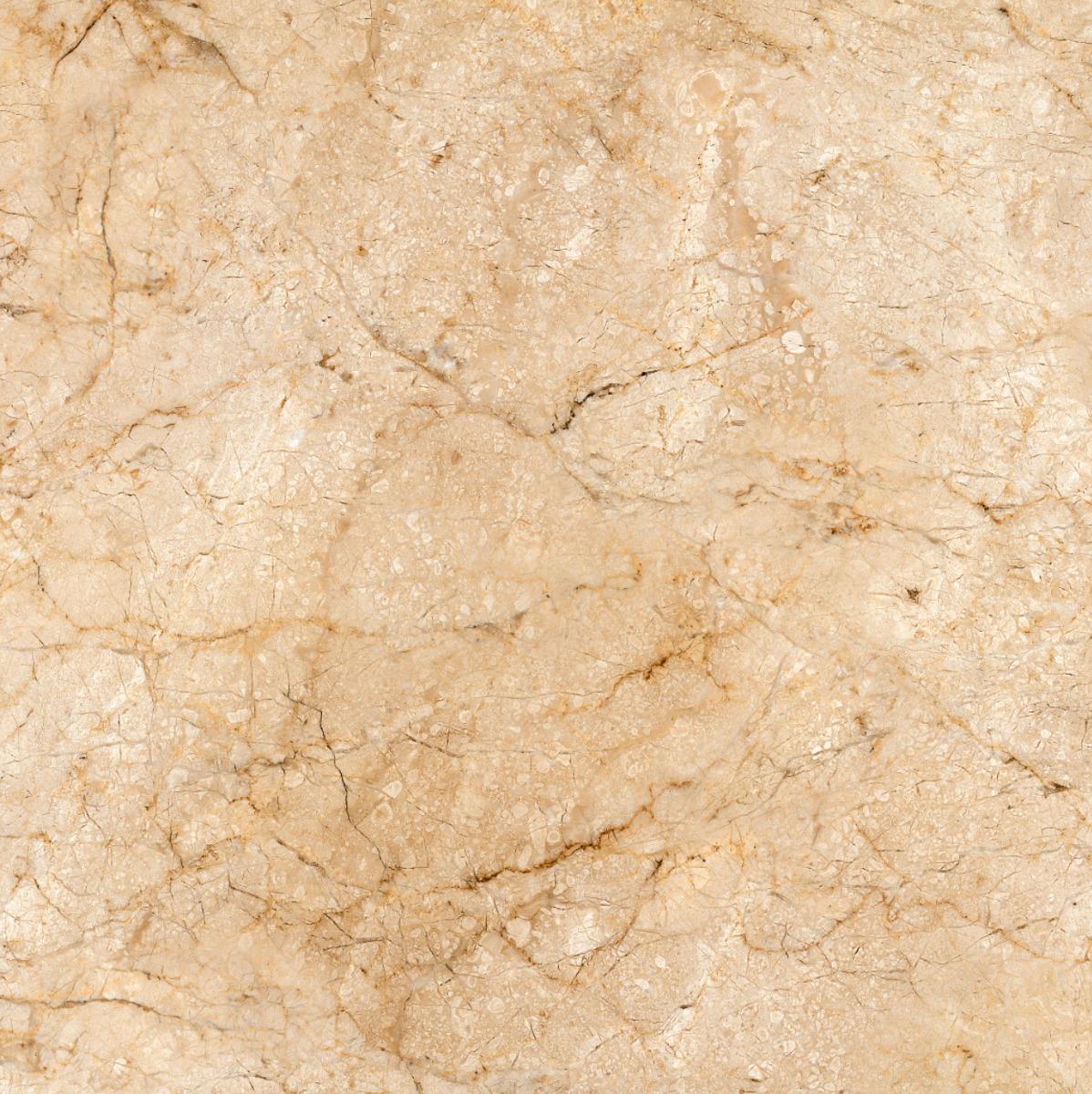
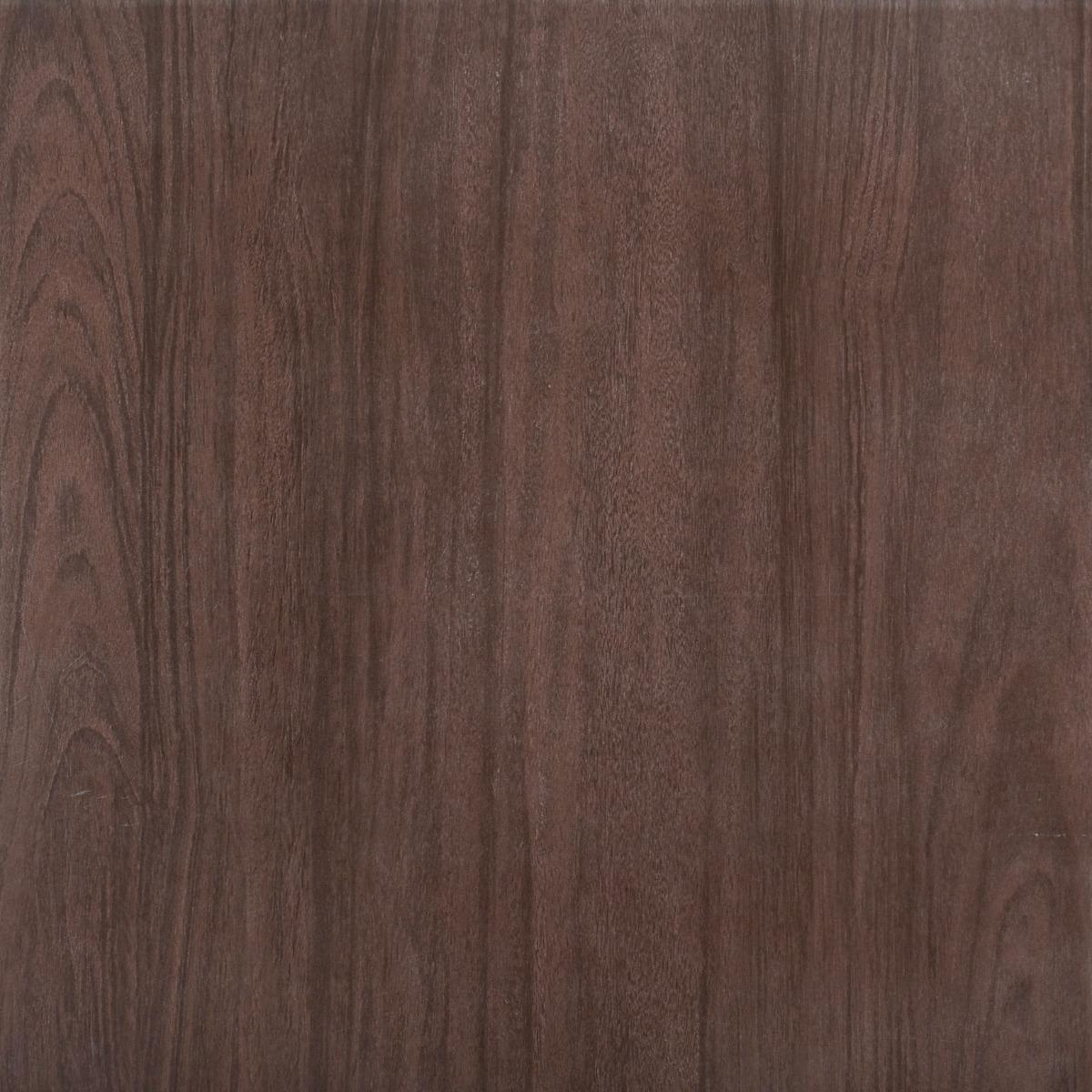
- Brown: Earthy and rooted, brown tones have always been known to bring warmth and an element of ingenuity. The deep colour inspired by earth and wood allows brown tiles to bring an outdoorsy charm to your bathroom space.
- Blue: Easily one of the most calming colours, a cool blue is perfect for mimicking the expanse of an ocean. The infusion of patterns and curvy lines, along with blue tiles for the bathroom, hits the nail on the head, whether you want to fly or take a deep dive in the ocean.
- Pink: Pink bathroom tiles can be soft, expressive, and whimsical, too. This multi-faceted colour can range from blush tones to playful hues that make a difference. They add charm and pockets of subtle colour without overwhelming the place.
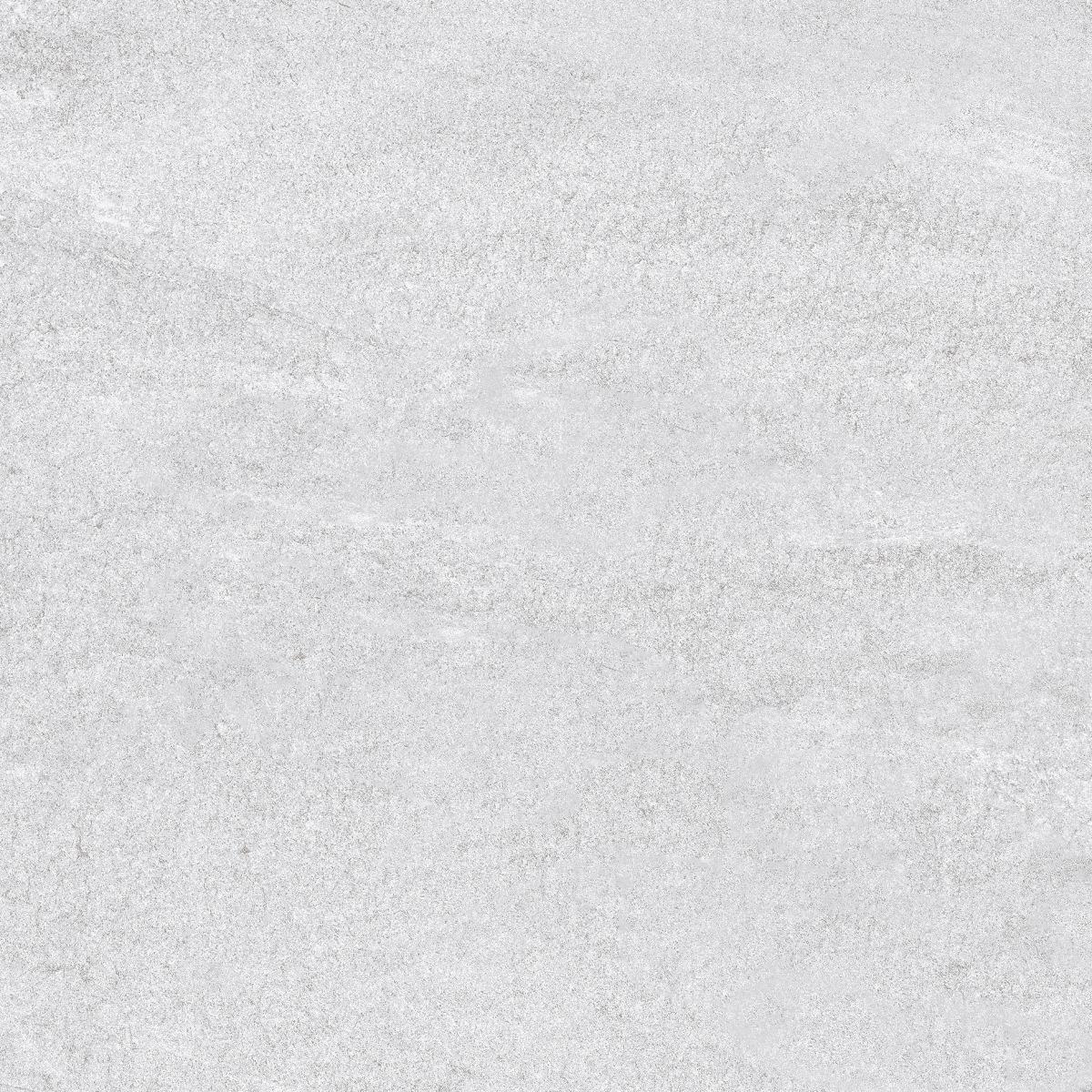
- Green: Understated and stylish, the grey bathroom tiles offer a wide range, depending on the mood you are going for. They offer a sleek and modern aesthetic and work very well in minimalist industrial-inspired bathrooms. They work really well with cool and warm accents.
Take a dive into the comprehensive spectrum of bathroom tiles at Orientbell Tiles. Take a closer look at the collection of shades and finishes to create visually striking bathrooms. Adding to this trend are the matte finish bathroom tiles, particularly when combined with glossy tiles on walls to create a striking contrast.
Recommended Tile Applications in Bathrooms
When you think of bathroom tiles, the floor and walls are usually the first things that come to mind. But tiles can do much more.
-
Bathroom Floor
Your floor sees everything: wet feet, spills, soap, and cleaning liquids. That’s why choosing the right bathroom floor tiles is key. Go for tiles with a matte finish or textured surface to reduce slipping and make everyday use safer.
-
Shower Area
The walls and floor inside your shower or wet zone should always be tiled. Constant exposure to water can damage bare surfaces over time. Plus, using anti-skid tiles on the floor here helps prevent falls, while a different bathroom tile colour or texture can visually separate the space from the rest of the bathroom.
-
Bathroom Walls
Wall tiles help protect against splashes, steam, and regular wear and tear. Whether you tile up to half or go all the way to the ceiling, bathroom wall tiles make cleaning easier and give your bathroom a sleek look. Lighter shades or glossy finishes also help reflect light in smaller bathrooms.
-
Behind the Basin or Sink
This spot is often forgotten, but a tiled backsplash behind the sink keeps stains and water marks off your walls. It’s also a great place to experiment with designer tiles or highlighter tiles for a quick design upgrade.
-
Around the Bathtub
If you have a bathtub, the surrounding area is exposed to splashes and water trickles. Adding tiles here doesn’t just protect—it ties the whole look together. You can stick to the same bathroom tile design as the rest of the space or play with contrast for a subtle feature area.
-
Toilet and Utility Zones
Compact toilets or utility corners need just as much attention. Tiling behind the toilet or along the skirting helps with cleaning and keeps the wall protected from splashes. Using a specific toilet tile design here also helps define the space, especially in combined washrooms.
-
Shelves, Niches & Recessed Corners
If you have built-in shelves or storage nooks, tiling them helps prevent mould and water damage. It also makes wiping them down easier. You can match these tiles with the main walls or use something different to make them stand out.
FAQs for Bathroom Tiles
1. How to select bathroom tiles?
- When it comes to selecting the right bathroom tile, first of all choose the tile design! The next step is to measure the area of your bathroom and opt for the appropriate tile size according to your bathroom area. Instead of selecting one particular type of tile, you can even use 2-3 different types of tile designs to create an interesting decor concept. Make sure that the tiles you choose are made with less water-absorbent material so that they can last longer.
2. Which tile colour makes bathrooms appear larger?
- Light colours like white, pastel blue, cream, grey, or yellow will enlarge the appearance of a tiny bathroom. A small bathroom can also appear larger by using larger tiles because there will be fewer grout lines, which will give the space a less cluttered appearance and allow it to appear more spacious. For the most significant impact, use lighter colours in conjunction with larger tiles.
3. What is the most popular flooring for bathrooms?
- Usually, porcelain or ceramic tile is the most common flooring choice for bathrooms. As a durable, waterproof, and simple-to-clean substance, a tile is a great option for bathrooms as it's perfect for a moist, humid environment. Additionally, tiles are available in a range of hues and designs, allowing you to personalise the appearance of your restroom.
4. How can a small bathroom appear luxurious?
- You can incorporate some visual elements to give a tiny bathroom an upscale appearance. To start, choose light hues like white, cream, beige, or pastel colours to make the space feel airier and brighter. To create a more aesthetically pleasing appearance, use larger tiles and arrange them diagonally or towards the roof. To add a bit of luxury, add large-scale light fittings and plants. Finally, to achieve a sophisticated and opulent appearance, think about using marble for the flooring or countertops.
5. What tiles are not to use in a shower?
- Glossy tiles should never be used in a shower because they can become extremely slippery when wet. Furthermore, ceramic tiles should not be used in showers as they are susceptible to cracking from the constant water pressure. Mosaic tiles are the best kind of tiles for your showerbecause they offer an excellent grip, are simple to clean, and are available in a range of hues, textures, and sizes.
a. Which shower tile is the simplest to maintain and clean?
Tiles that are easy to maintain are polished porcelain and ceramic tiles. It shines brightly and is simpler to clean due to the polished surface. Vinyl tile is another choice for simple upkeep and cleaning because it is non-porous, easy to maintain, and also has a polished surface.
b. How much does shower tiling cost?
Shower tiling typically costs Rs 2000 per square foot, which includes tile, installation, and setting supplies. Shower tile installation can cost anywhere between Rs 1,00,000 to Rs 4,00,000, based on the size and variety of tile used. For instance, plain mosaic tiles are the least expensive choice, whereas textured tiles and natural stone tiles are the most expensive. The price of labour and tile removal may also be included in the total expense.
6. Should bathroom tiles be glossy or matte?
- It actually depends on what you desire and how it will be used. Matte tiles can assist to produce a more subdued style, while glossy tiles generally appear more contemporary, shiny and can contribute to making a space feel larger. Glossy tiles are best avoided for flooring since they can become slippery, when wet. Better grip and potential ease of cleaning and maintenance are benefits of matte tiles.
a. What size tile is best for a shower?
The ideal tile size for a shower will depend on its size as well as the final appearance you desire. Although, it is recommended to use larger tiles for moderate- to large-sized shower walls, starting with 4 by 4 inch tiles and going up to large size tiles in the 15 by 30 inch range.
b. Which floor tile is not slippery?
When it comes to floor tiles, Porcelain prevails over stone and tile in comparison. The large sized, pocket-friendly, and low-maintenance slip-resistant tiles go well with a wide range of design aesthetics.
c. Which lasts longer, glossy or matte?
In general, the lifespan of glossy and matte tiles is equivalent. The way the two finishes look and reflect light is where the biggest distinction between them lies. Glossy tiles have quite a shiny surface that shines and can give an area the appearance of being lighter and more colourful. Matte tiles feature a more muted, satin finish with light absorption for a more modest appearance.
d. What tile finish is best for shower walls?
Your personal preferences and the particular requirements of your bathroom will determine the ideal tile finish for shower walls. Although, if you want to go for a shiny appearance, then opt for glossy tiles and for a smooth look, opt for matte or satin finish.
7. How often should you change bathroom tiles?
- It is always recommended to change your bathroom tiles once you will feel they are not so appealing or are losing their shine. Although, the lifespan of tiles ranges from 8 to 16 years. It can vary based on how much you maintain your tiles.
8. Which bathroom tile is better porcelain or ceramic?
- Porcelain and ceramic both are an ideal choice for your bathroom spaces. The density of Porcelain is much more and they are more impervious to water as compared to ceramic, so you can go ahead with it.
9. Are bigger or smaller tiles better?
- Smaller tiles can be utilised to produce more elaborate patterns and designs, while larger tiles can help create a spacious impression and make a room feel larger when used on walls. While larger tiles are simpler to clean and maintain, smaller floor tiles might offer better grip and lower the chance of slipping. The best choice will ultimately depend on the particular requirements of the application.
- a. Should floor tiles be lighter or darker than wall tiles?
Generally, it is preferable for the bathroom floor to be darker in colour than the adjacent walls and ceiling. However, you can decide to be daring and deviate from the norm in this case if your own preferences demand it.
10. Are square or rectangle tiles better?
- Although it depends on your desire, it is generally advised that small square tiles are suitable for wall tiling or to bring aesthetic appeal to the walls in both bigger and smaller spaces. Rectangular tiles can also be used successfully for wall tiling in any space, regardless of size, while larger rectangular tiles can be utilised for floor tiling in larger spaces.
11. Should wall and floor tiles in the bathroom be the same?
In contemporary bathrooms, using the same tile on the floor and walls offers a smooth finish and frequently gives the area a larger appearance. Although it varies on each person's individual taste and sense of style, though.
12. Are larger tiles better in a bathroom?
Larger tiles are actually advantageous for smaller bathrooms because they provide the illusion of space by reducing the number of grout lines on the walls and floors. Even though large tiles can look good in your bathroom, that simply doesn't imply small tiles should be completely disregarded. However, it depends on one’s taste and preferences.
13. Should the bathroom floor be matte or glossy?
Whenever it comes to the bathroom floor or the shower floor pan, you should apply a matte finish. The matte finish has "higher coefficient of friction" of matte coatings that signifies this finish being slip-resistance. For the same reason, your outdoor patio shouldn’t have any slick surfaces.
14. Are big tiles better than small tiles?
Smaller tiles contain more grout lines which degrade the visual appeal of the tiles. Larger tiles have comparatively fewer grout lines, giving them a cleaner appearance. The contemporary style will be achieved if you use larger tiles, if that is something important to you.
15. Is it good to tile a small bathroom completely?
The look of a fully tiled bathroom may enhance the overall look of a smaller area. The smaller bathroom can more easily be transformed into a wet room in the future by entirely tiling the walls from floor to ceiling. Less elaborative detailing offers a cleaner transition between the tiled walls and floors.
16. Should I tile the bathroom to the ceiling?
You should tile to the ceiling of your bathroom if it gets humid often or if you want to add a steam shower to keep the surface moisture resistant. If you are building an accent wall in the shower and want to extend the tile overhead, then you should first place the tiles on the ceiling.
17. Are bathroom tiles waterproof?
- No, bathroom tiles are not completely waterproof. Rather, these tiles have a low rate of water absorption and can withstand splashes, spills and even standing water without letting a lot of water percolate through. Also, if the gaps between the tiles are not properly sealed, water may make its way through. So, it is best to let professionals handle the installation to ensure maximum protection.
18. Why should you buy bathroom tiles from Orientbell Tiles?
- Orientbell Tiles has a vast range of bathroom tiles, be it in terms of materials, sizes, finishes, designs, colours and texture. With an experience of almost 45 years, Orientbell Tiles has been manufacturing tiles. The company has ISo & ISI certification and an almost zero-defect manufacturing process - ensuring great quality. The tiles from Orientbell Tiles can be purchased online on our website as well as offline at stores near you.
19. Which tile size is best for the bathroom?
- Medium-sized tiles like 300x300mm or 600x600mm work best for most bathrooms. They balance functionality with aesthetics and reduce grout lines for a neater finish. These days, homeowners also prefer tiles with a size of 600x1200mm for their stylish bathrooms. Using large-format tiles results in fewer grout lines, which means less time spent cleaning.
20. Are flexi tiles suitable for bathroom walls and floors?
- Flexi tiles are a top choice for bathroom walls but not recommended as primary flooring in high-traffic areas because floors require stronger, stable tiles built to handle heavy foot traffic. They are particularly useful in curved or design-focused areas. They are non-porous, moisture-resistant, making them suitable for wet zones on walls. Bathroom floors require high slip resistance, and it's important to take this into account when making a decision.
Book a Consultation
Get personalized expert advice tailored to your space

Consult Us
What’s New
View Tile in my Room
Adhesives
Get Personalized Help Choosing Tiles for Your Space
 DOWNLOAD CATALOGUE
Copyright © 2026 OrientBell, All rights reserved.