
 1800 - 208 - 1015

 Stores
 Catalogue


Explore Kitchen Wall and Backsplash Tiles
Kitchen Wall Tiles are the perfect way to add a touch of elegance and style to your kitchen. They not only enhance the aesthetic appeal of the space but also provide a practical solution for protecting walls from moisture, stains, and heat. With a wide range of designs, colours, and textures available, you can easily find the perfect wall tiles that complement your kitchen decor. Whether you prefer classic ceramic tiles or modern glass mosaics, these tiles can transform your kitchen into a stylish and functional area. Explore our collection of kitchen wall tiles to find the ideal match for your home.
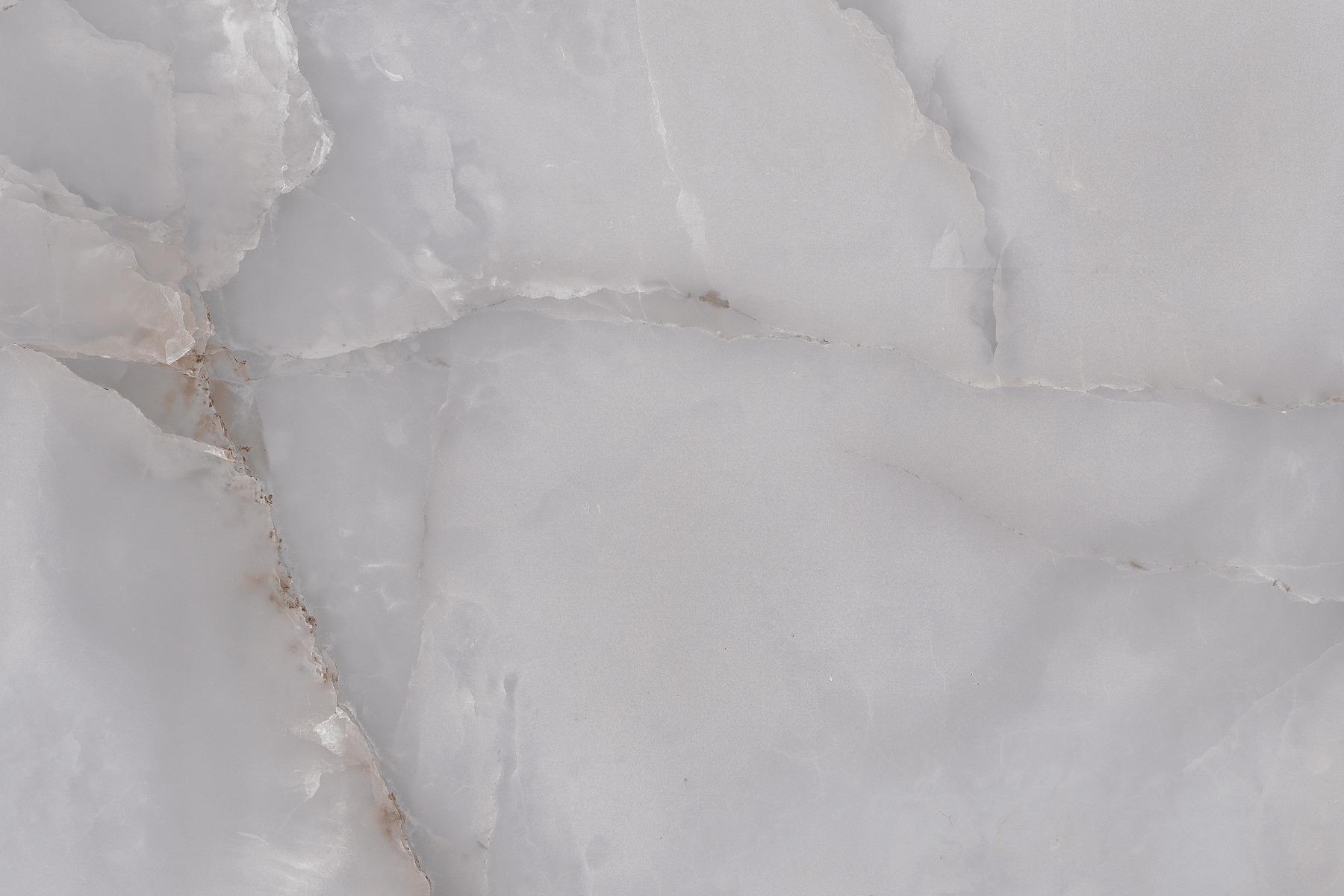
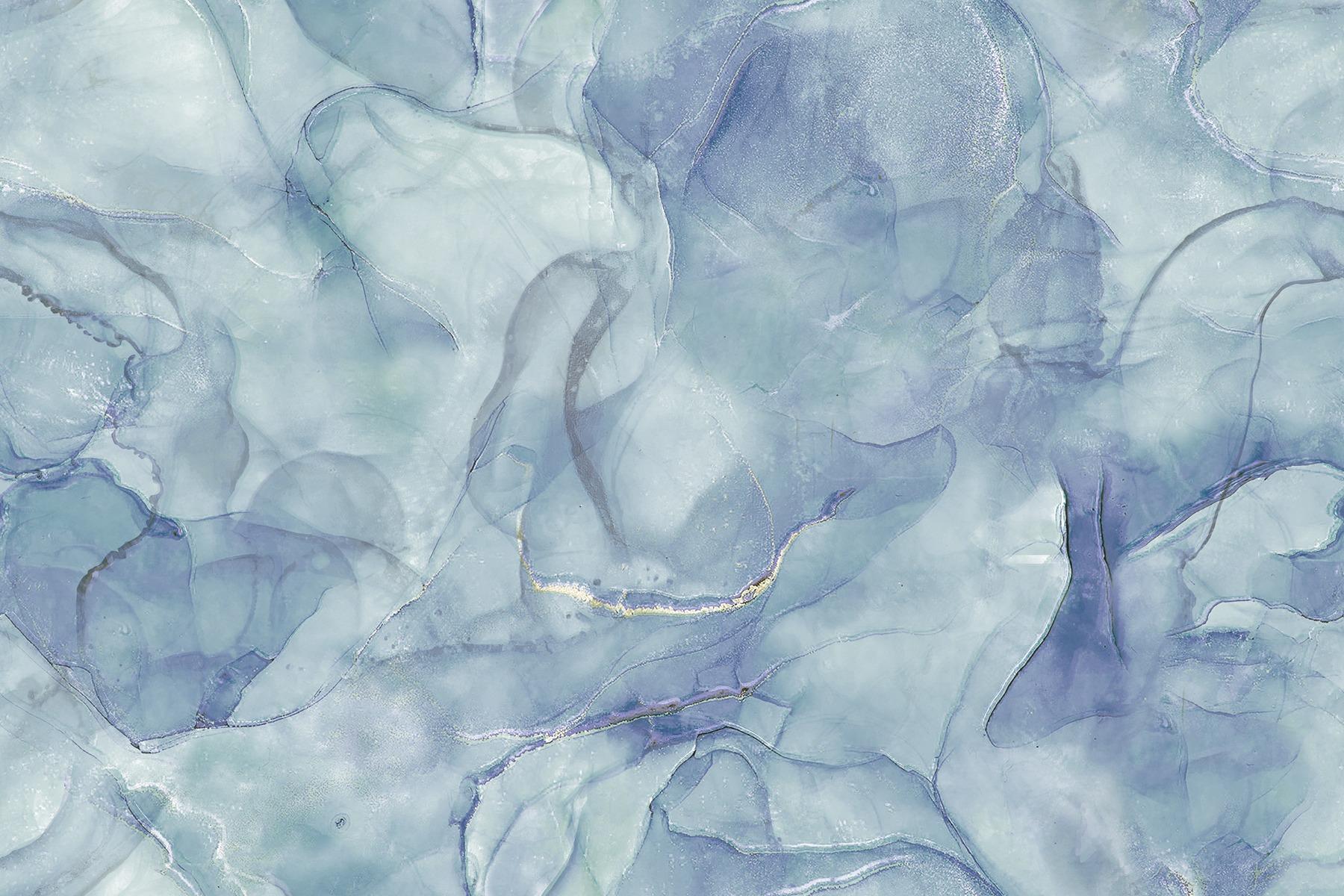
600x1200 Kitchen Wall Tiles
300x600 Kitchen Wall Tiles
300x450 Kitchen Wall Tiles
300x300 Kitchen Wall Tiles
600x600 Kitchen Wall Tiles
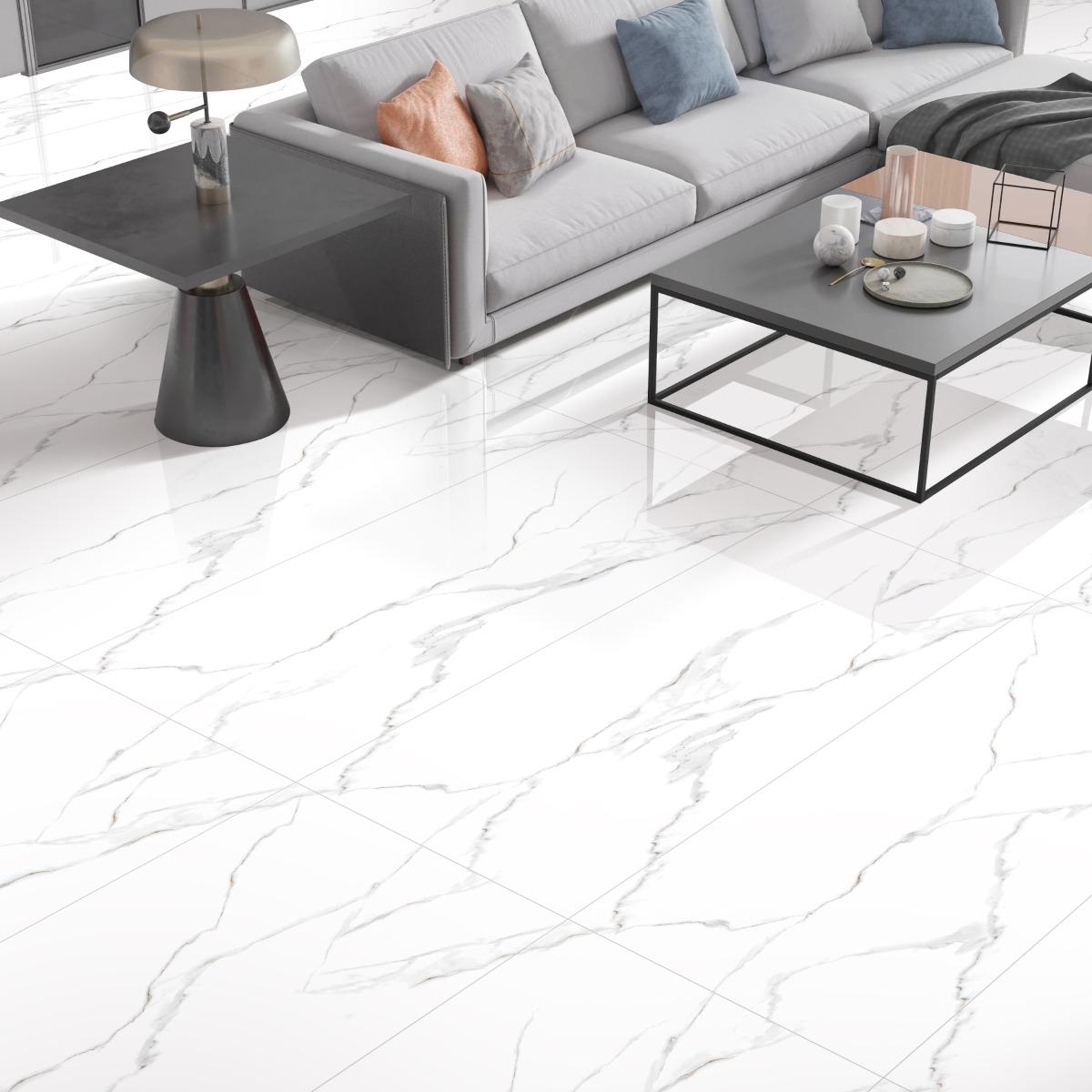
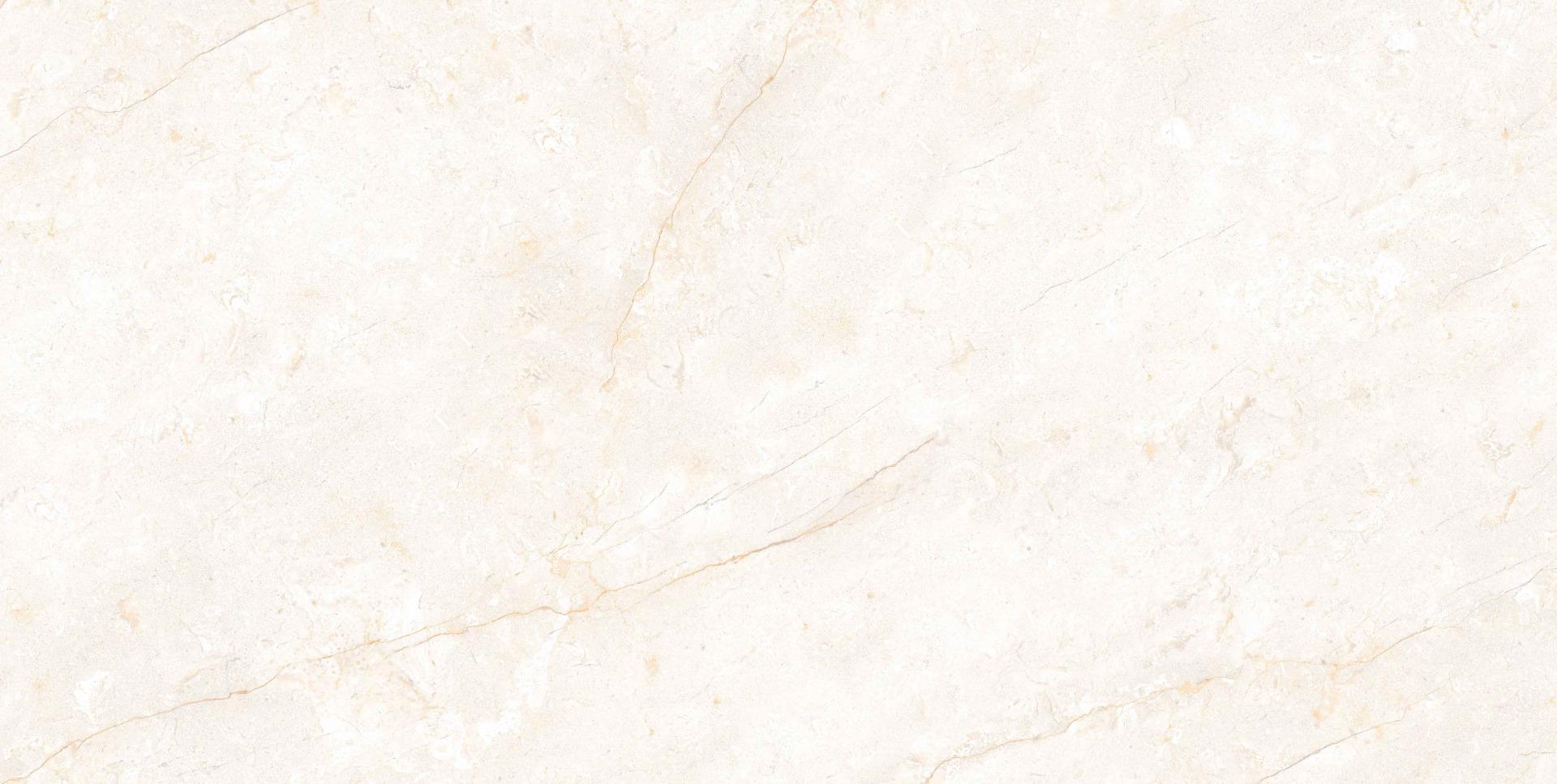

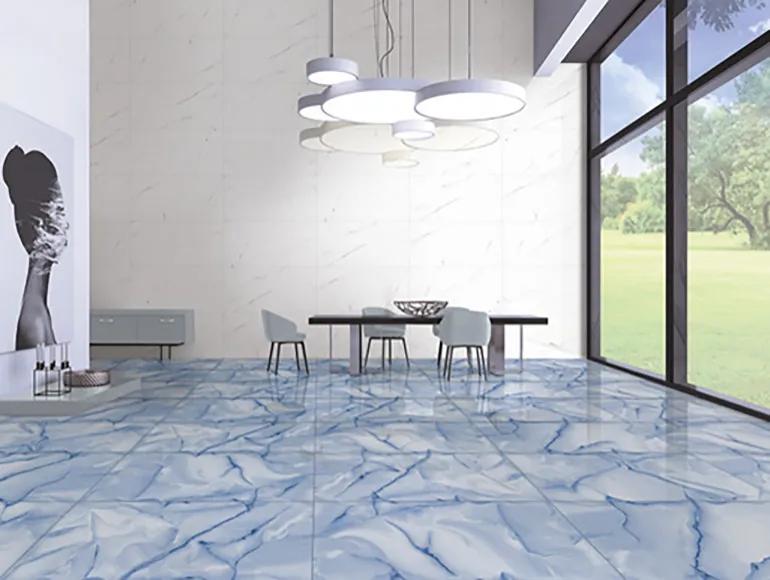
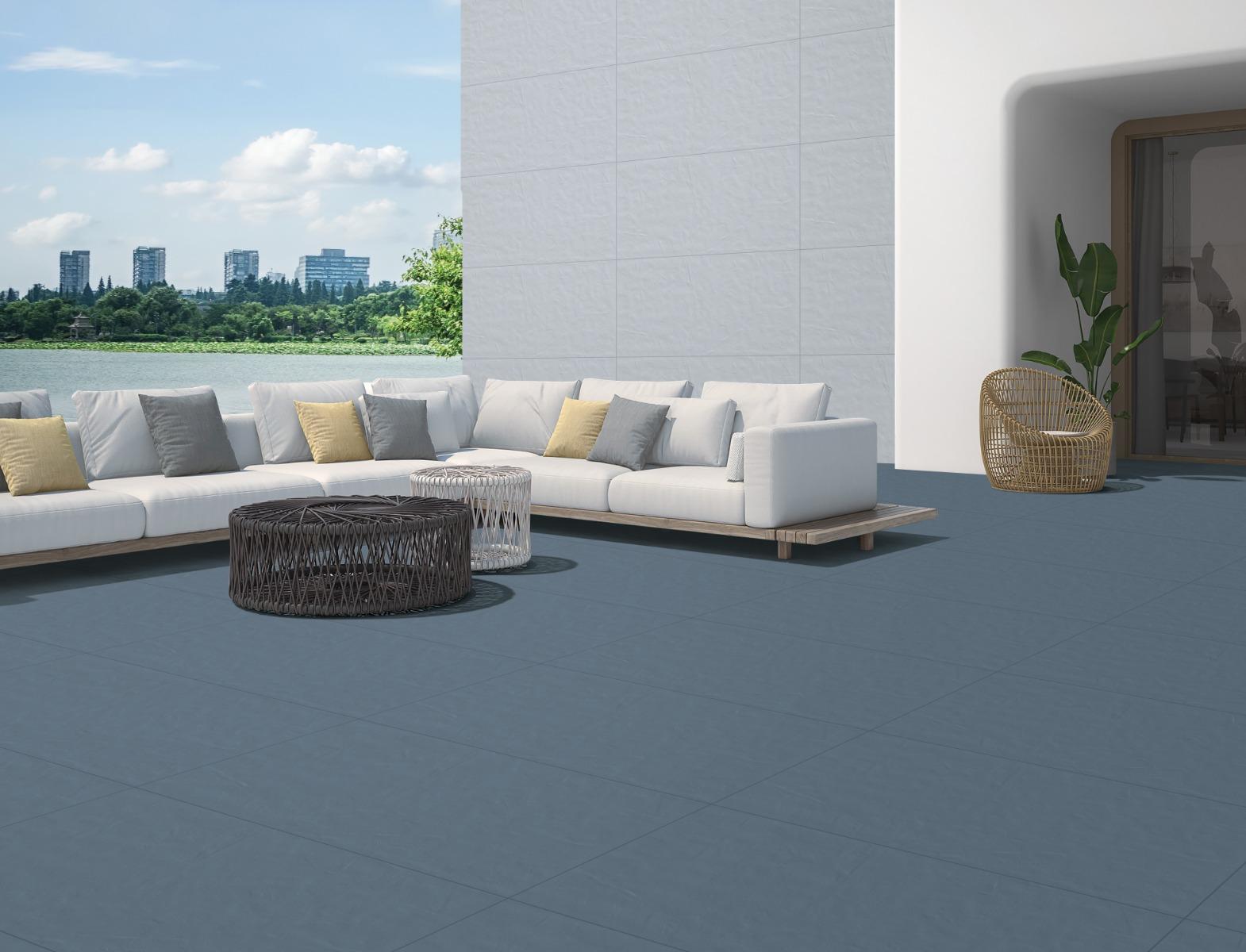
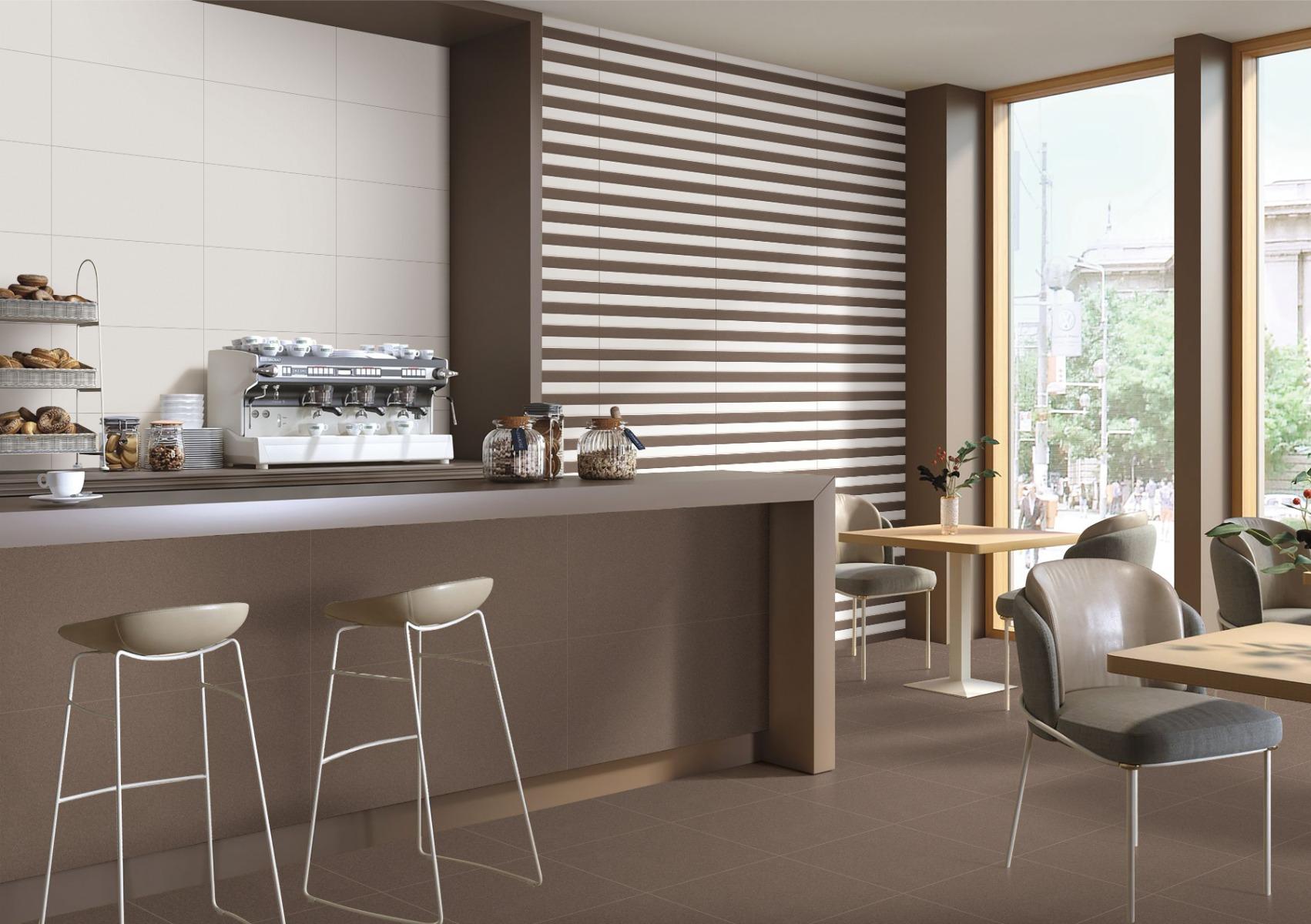

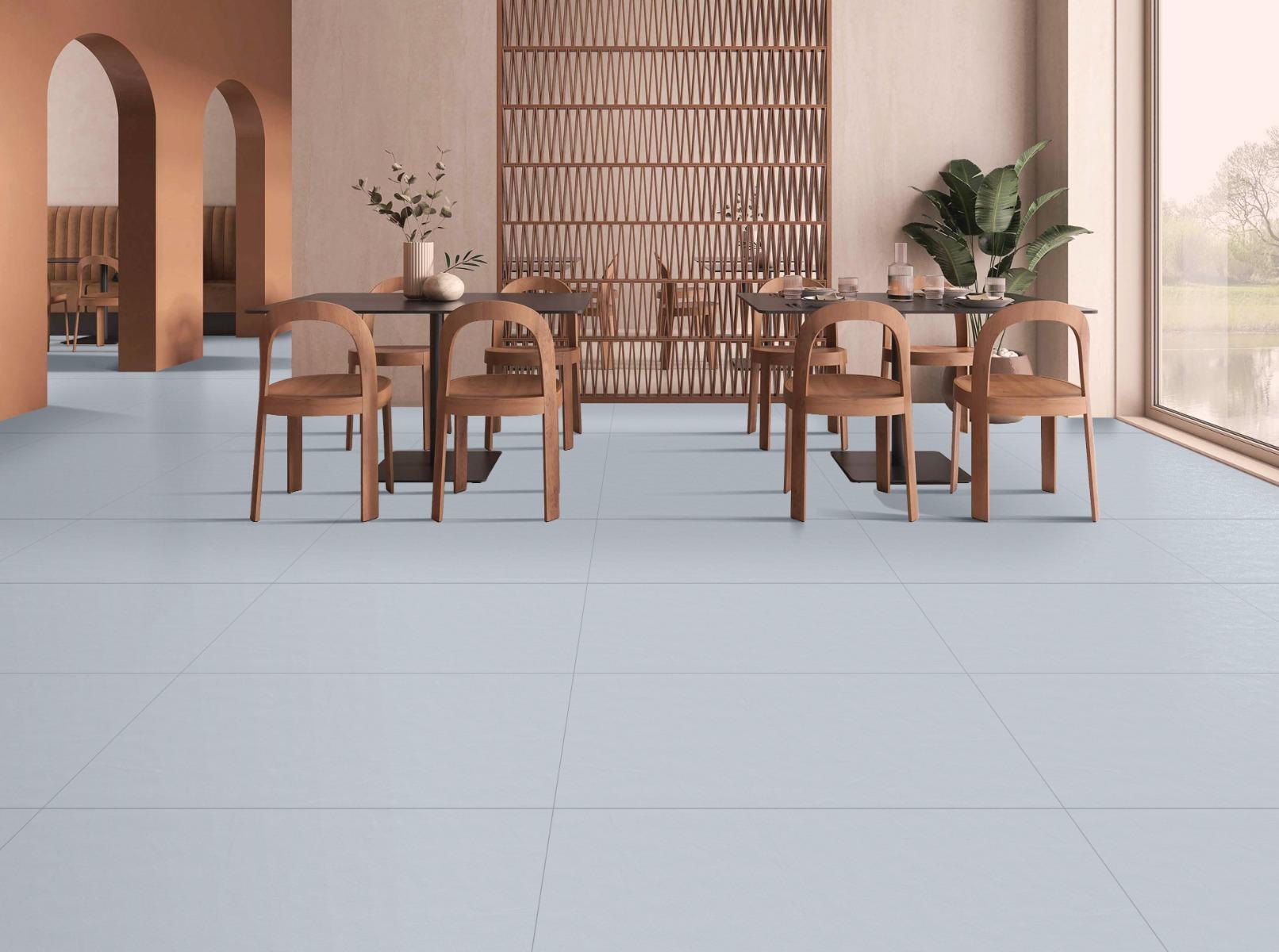
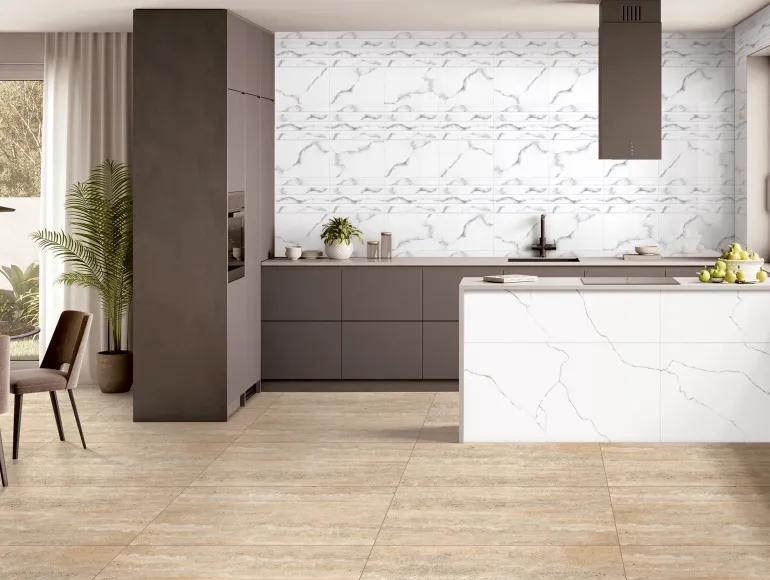
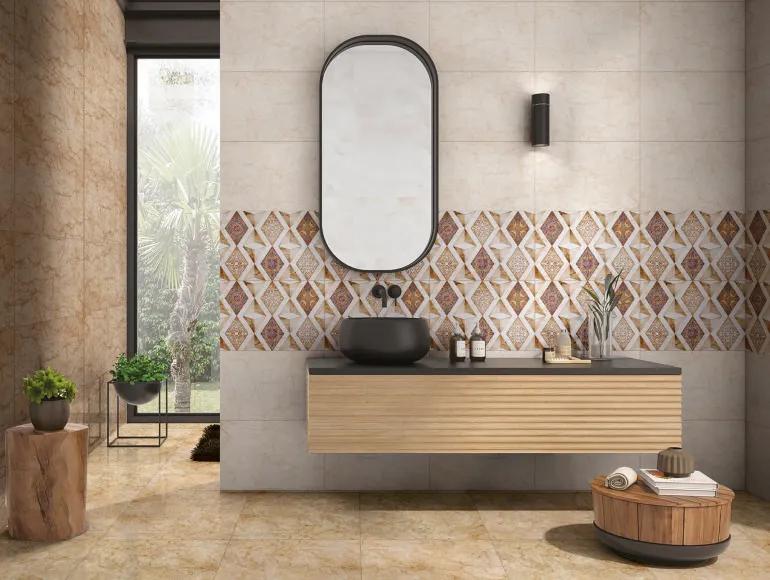


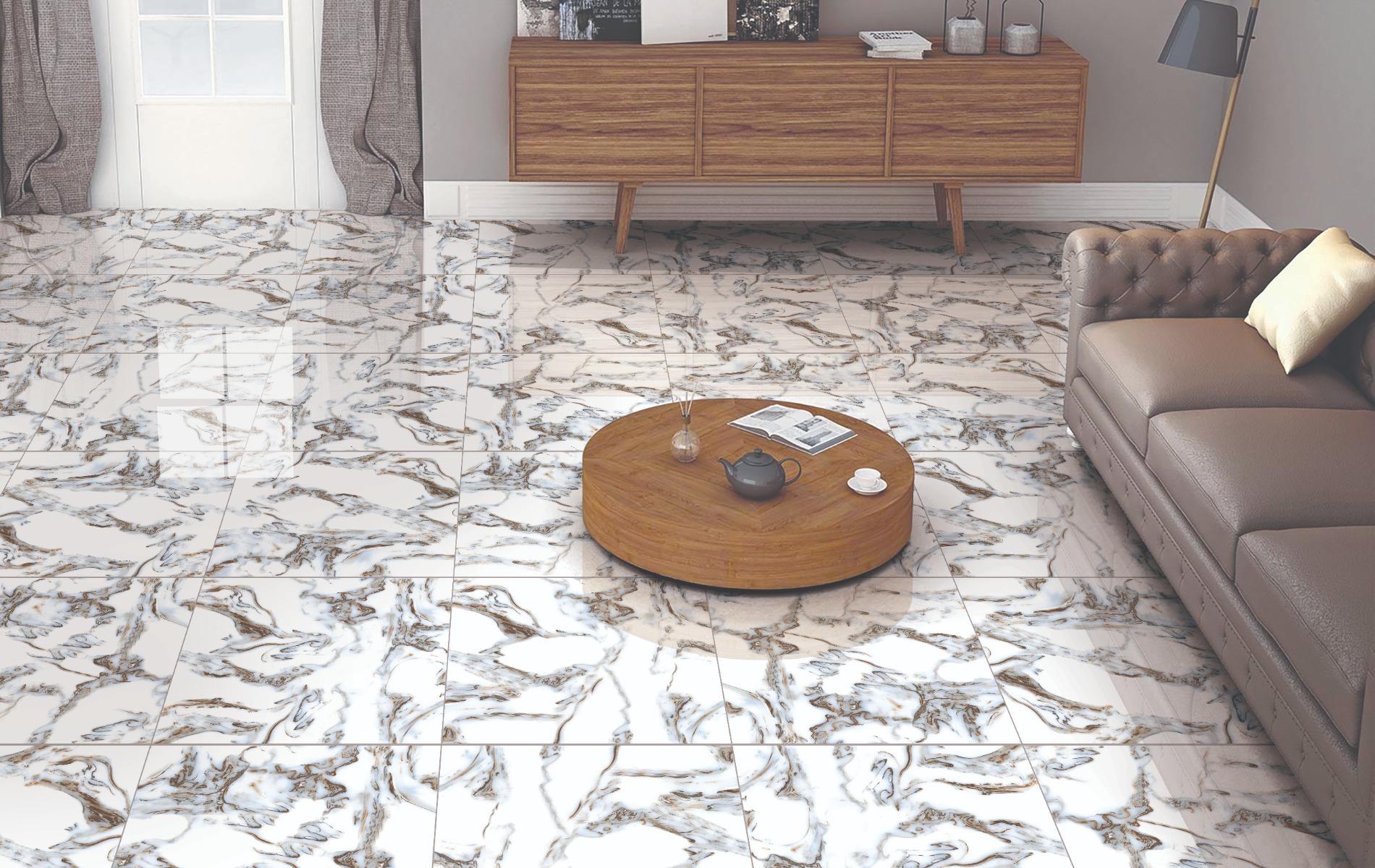

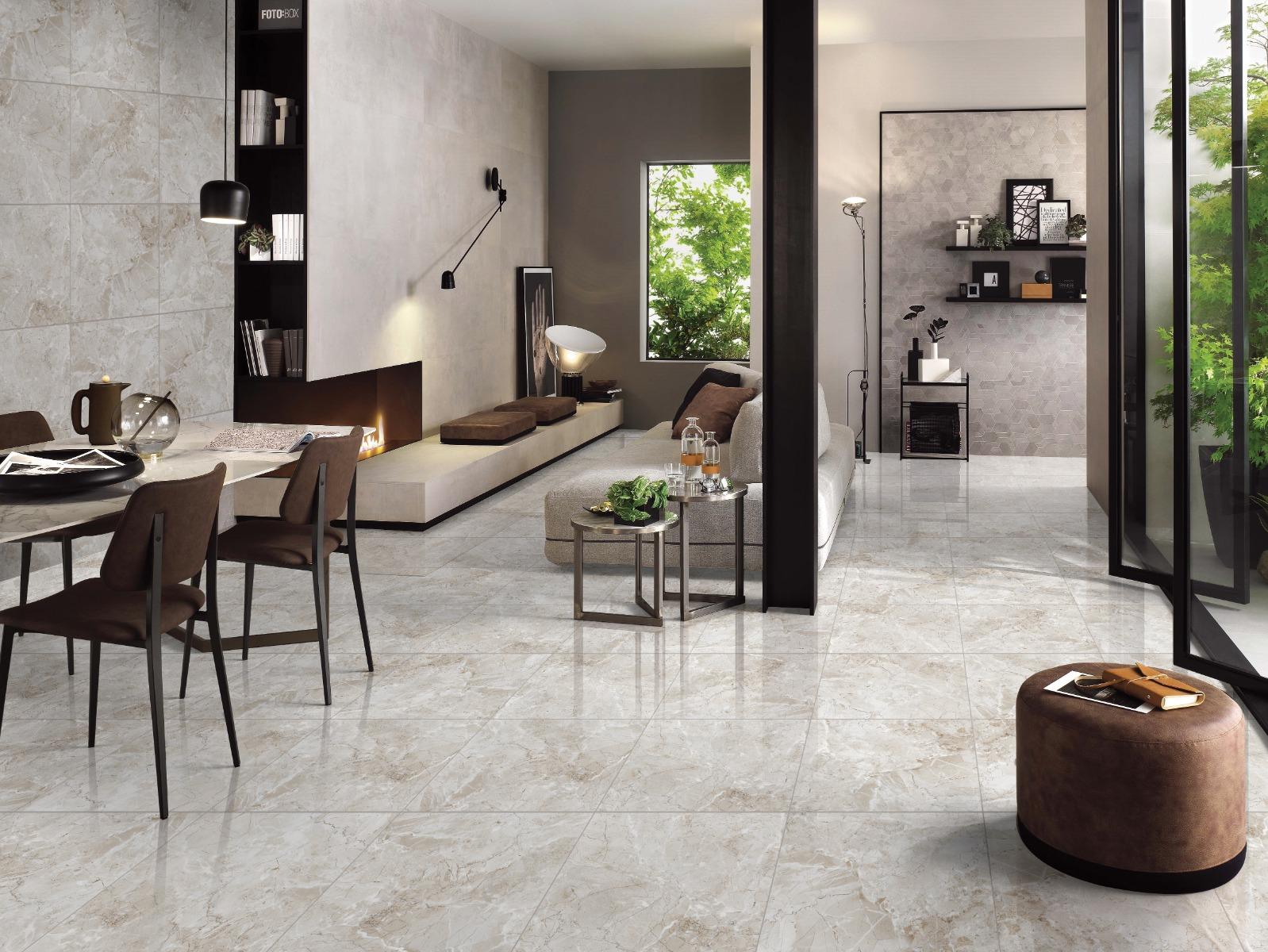
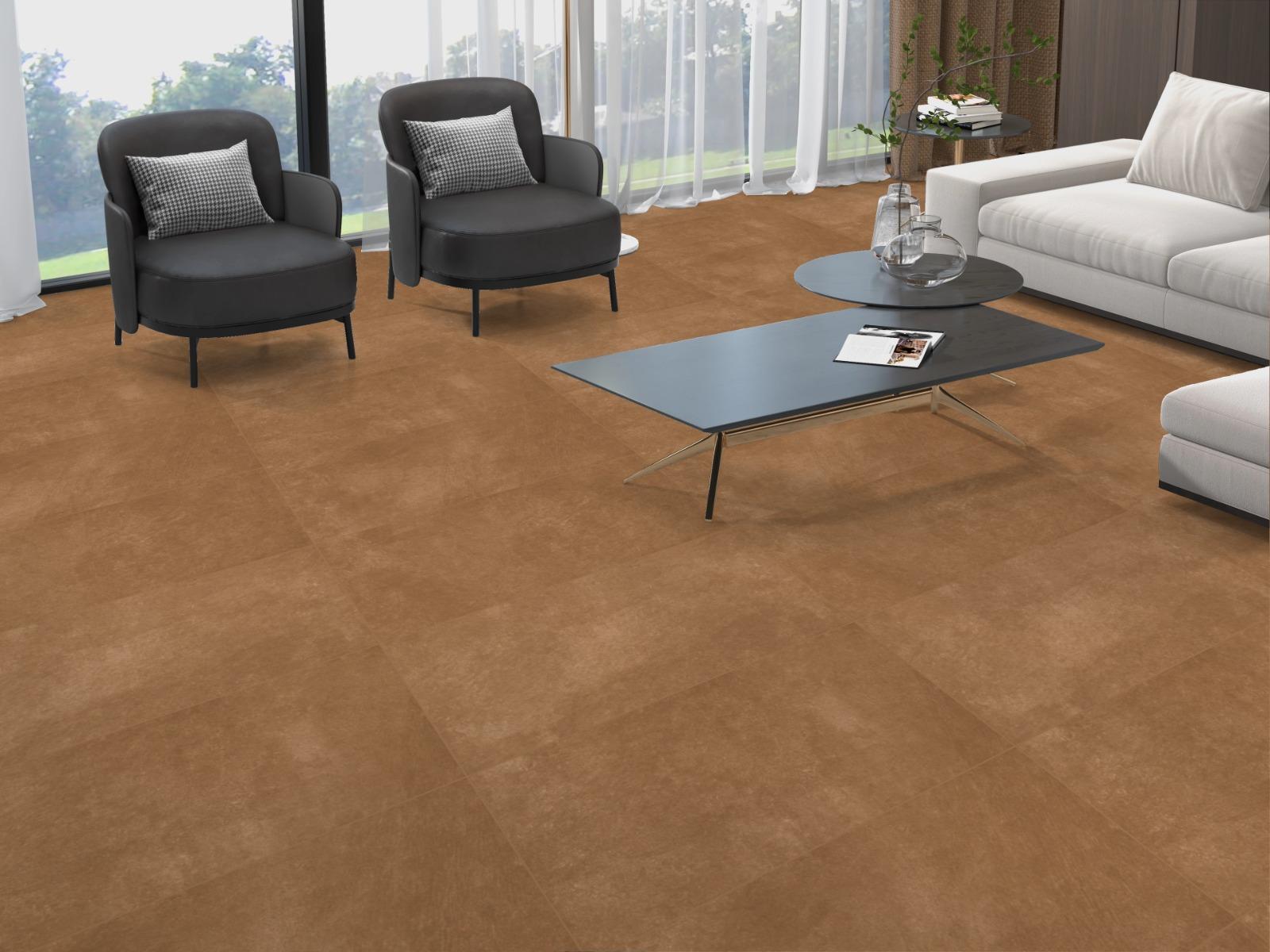
Explore Kitchen Floor Tiles
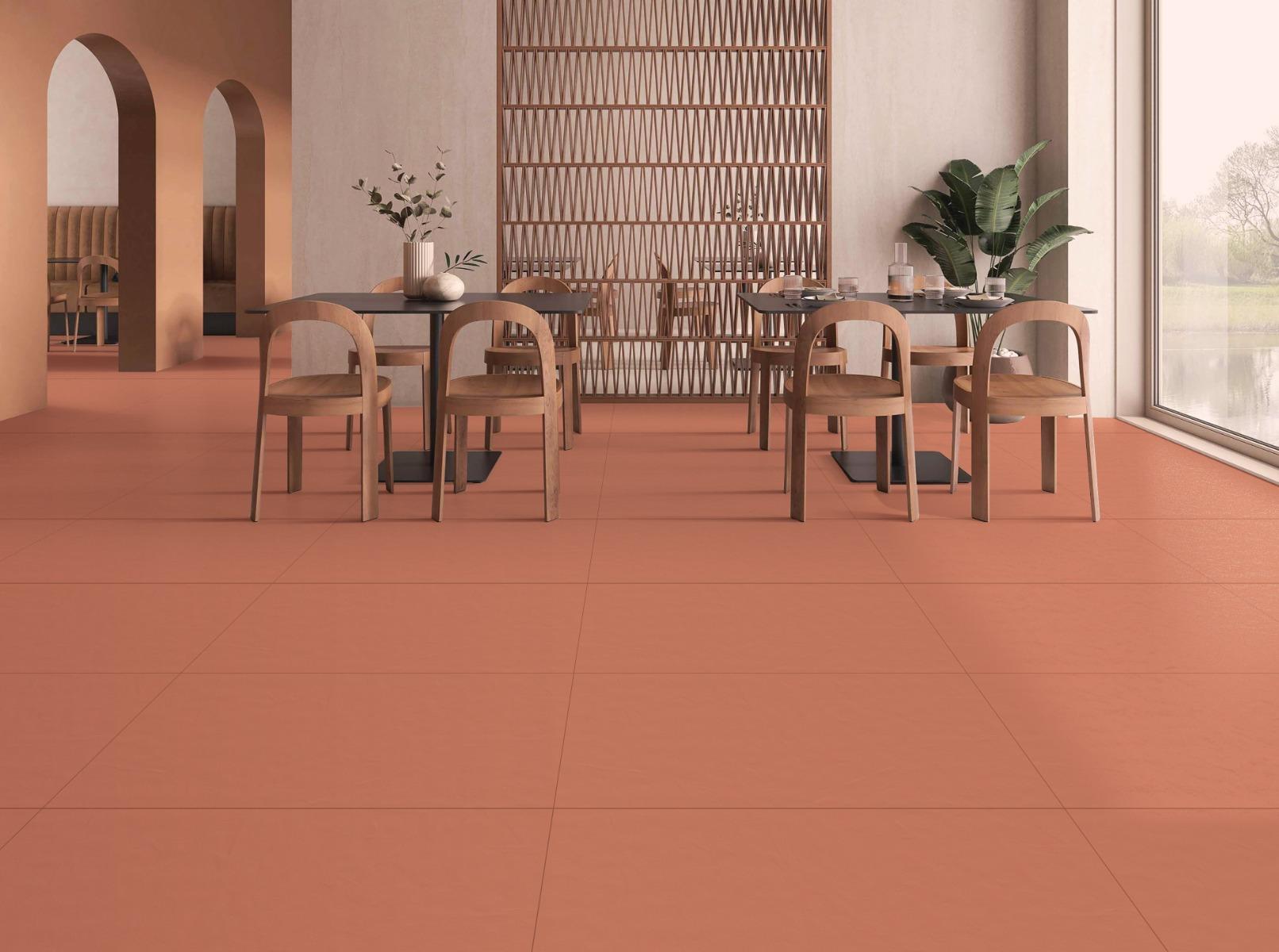
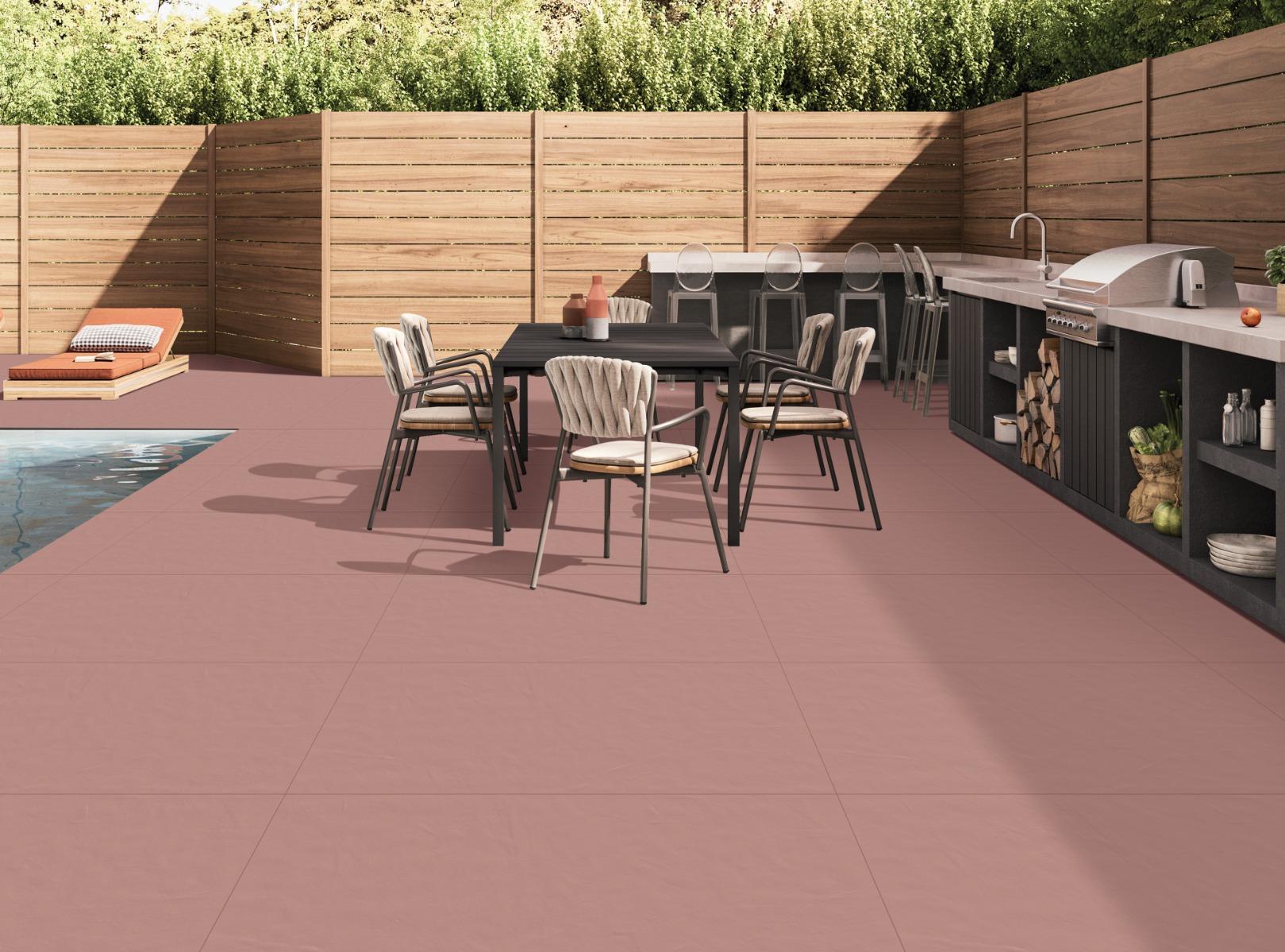
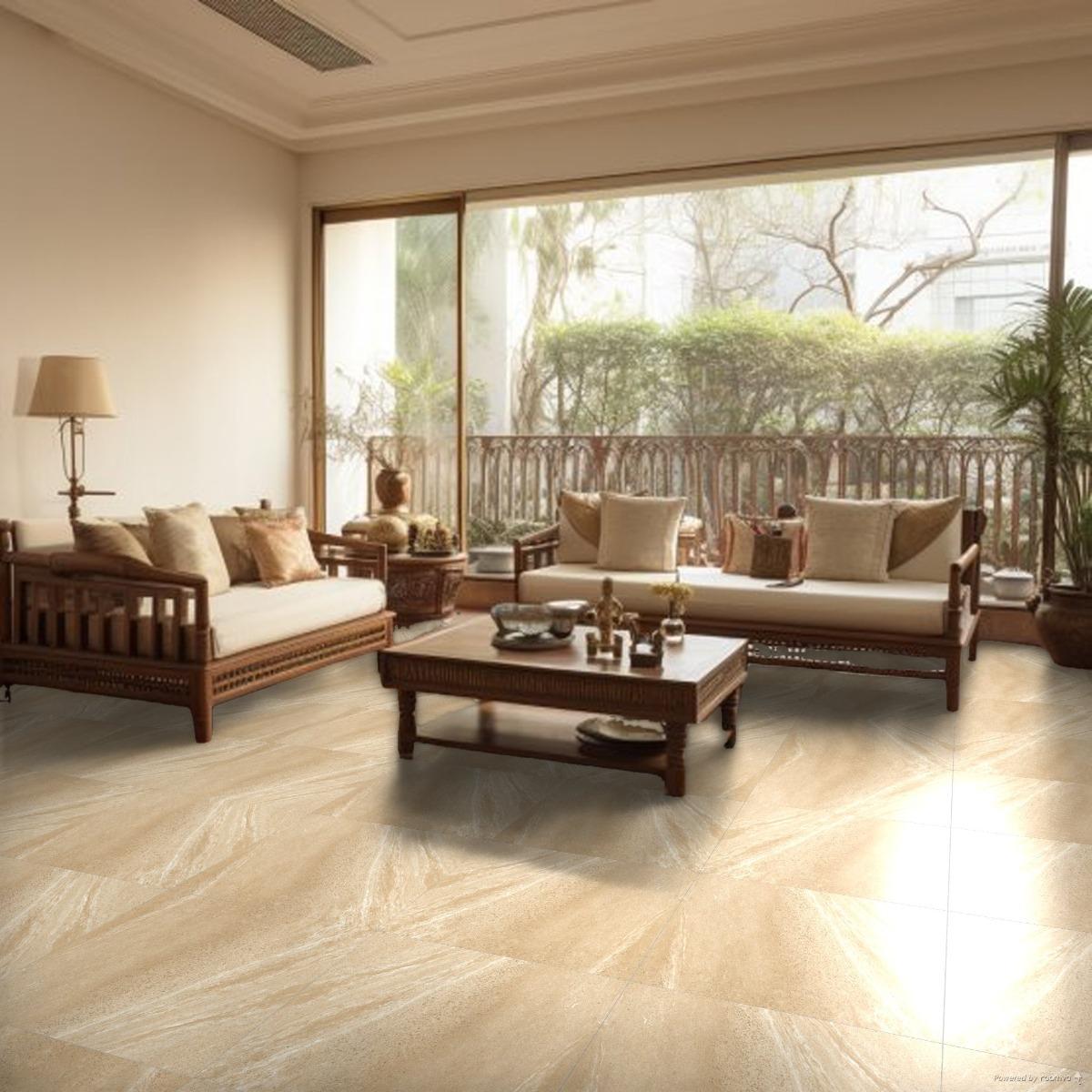
Kitchen Floor Tiles are an essential element in creating a functional and stylish kitchen space. They not only provide a durable and easy-to-clean surface but also contribute to the overall aesthetic of the room. With a variety of materials, colours, and patterns available, you can choose the perfect floor tiles that suit your kitchen's design and your personal style. From classic ceramic tiles to modern porcelain and natural stone options, these tiles can enhance the beauty of your kitchen while ensuring it remains practical for everyday use. Explore our collection of kitchen floor tiles to find the ideal fit for your home.
600x600 Kitchen Floor Tiles
600x1200 Kitchen Floor Tiles
300x300 Kitchen Floor Tiles
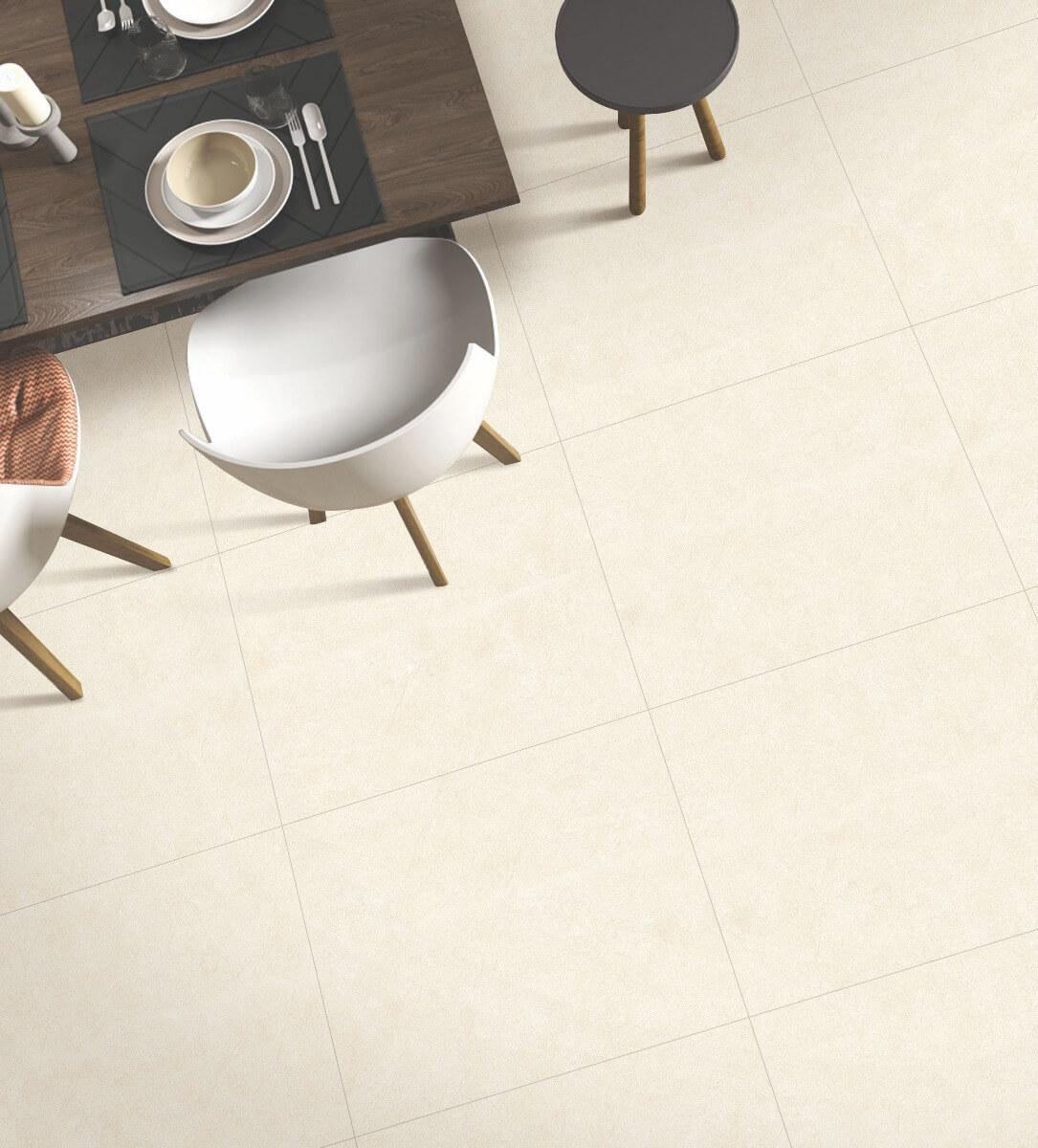




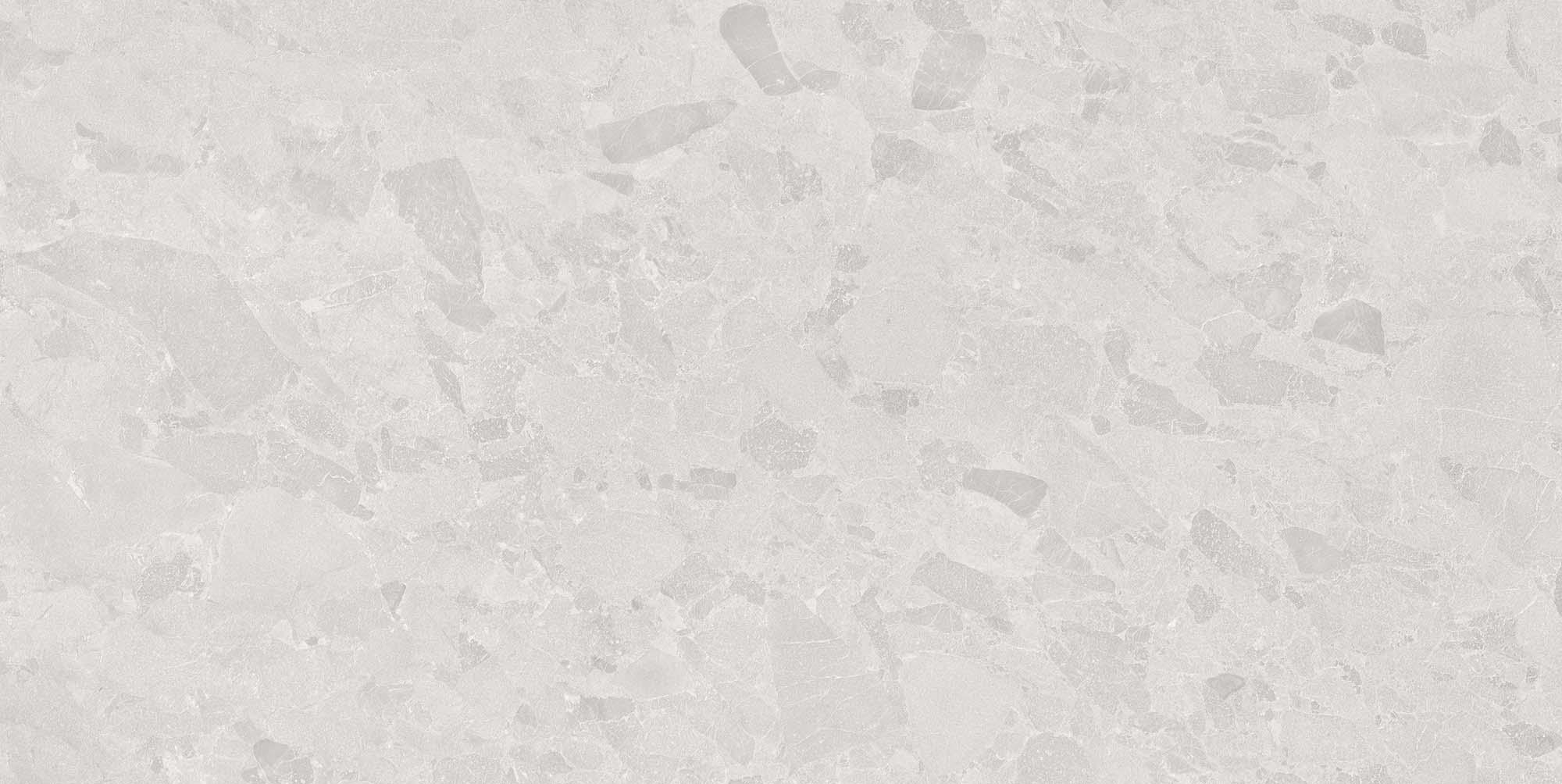
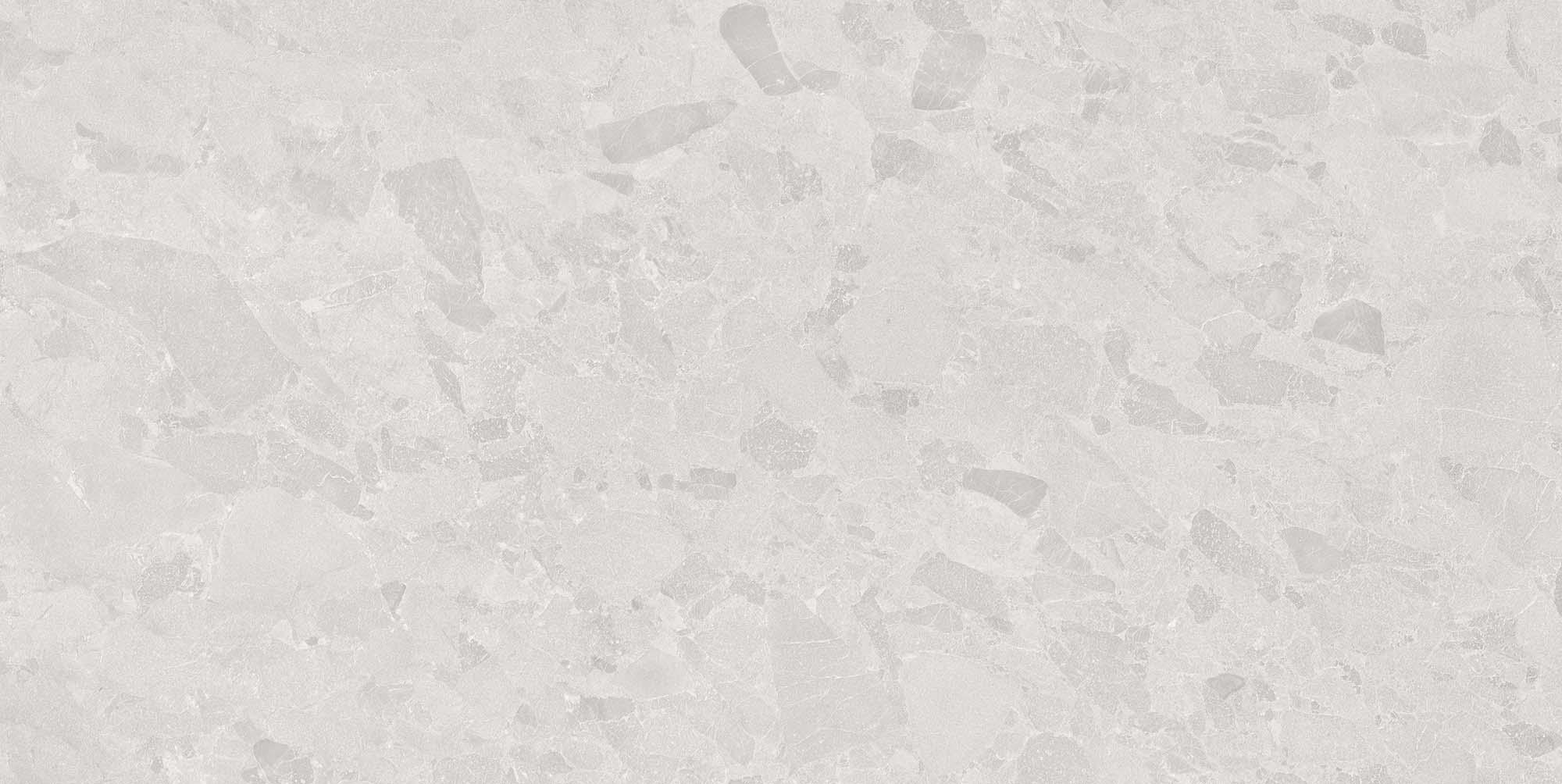

Explore Kitchen Countertop Tiles
Kitchen Countertop Tiles are a versatile and stylish option for enhancing the look and functionality of your kitchen.These tiles not only provide a durable surface for food preparation but also add a touch of elegance to your kitchen decor.With a wide range of materials, colours, and designs available, you can easily find the perfect countertop tiles that complement your kitchen's style. Whether you prefer classic ceramic tiles or modern glass mosaics, these tiles can transform your kitchen into a beautiful and practical space. Explore our collection of kitchen countertop tiles to find the ideal match for your home.
800x2400 Kitchen Countertop Tiles


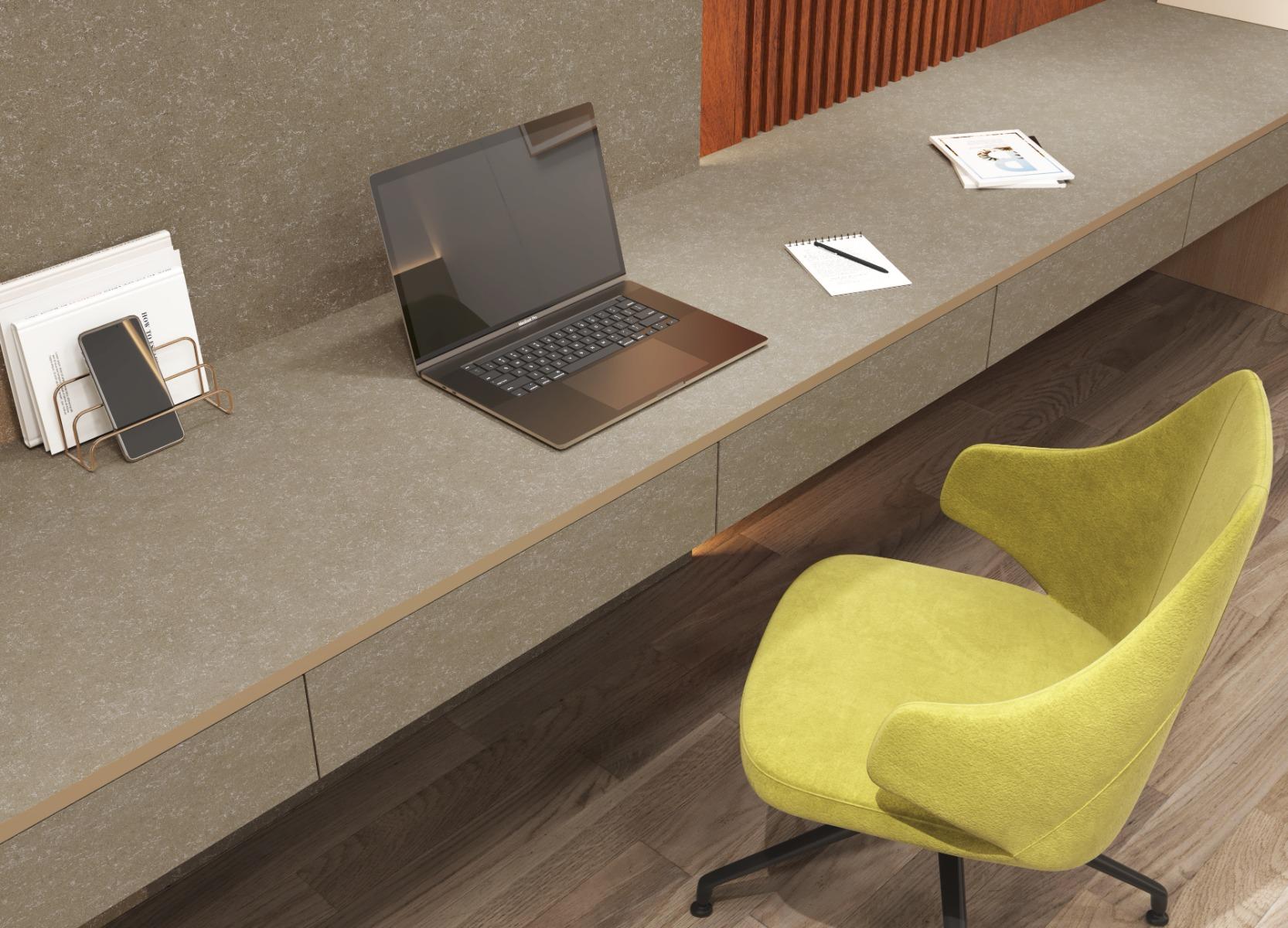
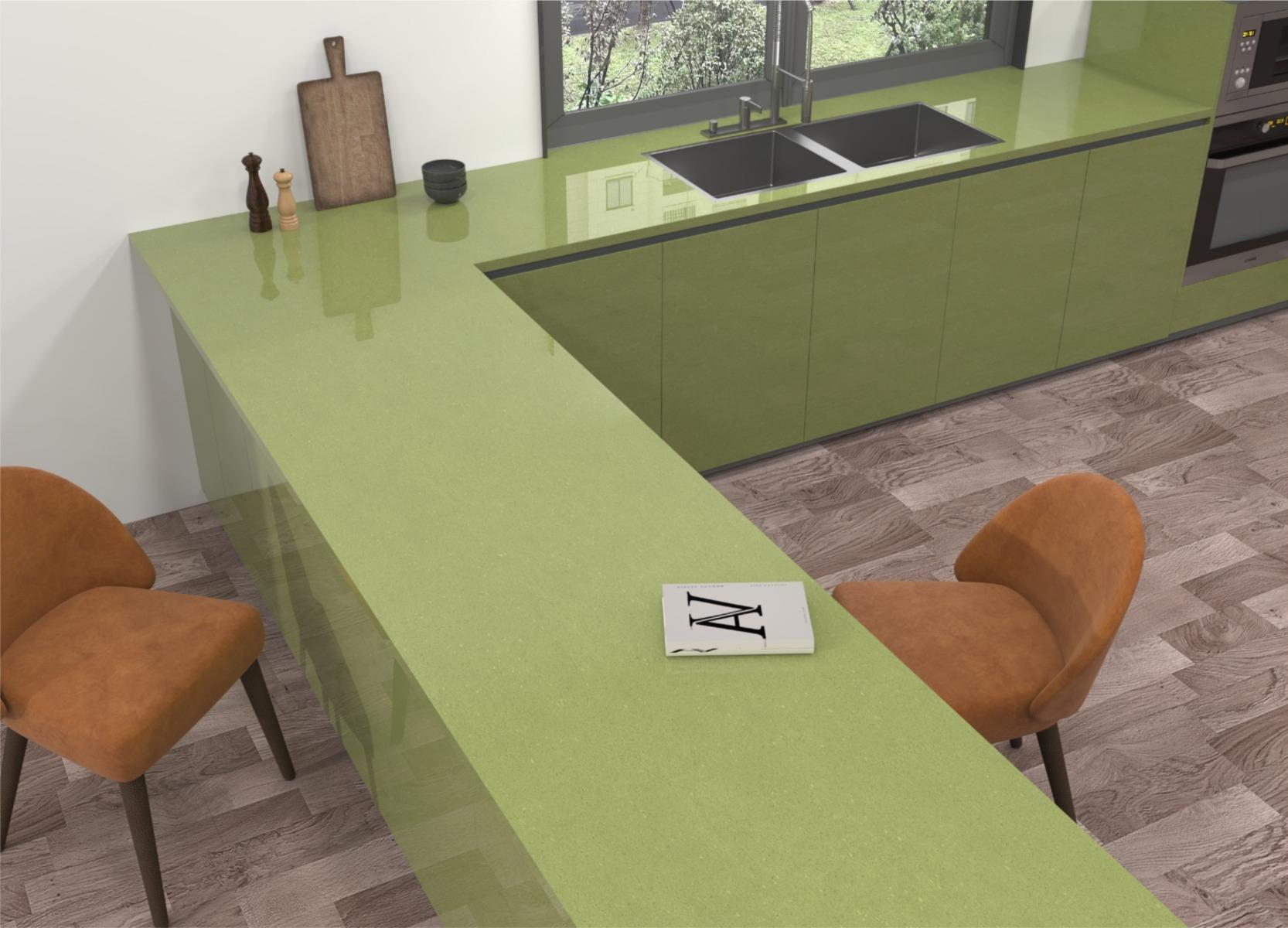
What size kitchen tiles should I choose?
Find kitchen tiles in three different ranges, numerous designs and prices that cater to every budget. You can discover a range of tiles that strike a balance between quality, style, and durability, whether you're searching for more premium selections or more exclusive patterns.
Explore different sizes, patterns and finishes to complement the design of your kitchen without sacrificing affordability.Here are the various dimensions in kitchen tiles that orientbell offers:
|
Popular Kitchen Tiles Size |
Size in MM |
|
Large Kitchen Tiles |
800mm x 1600 mm 800mm x 2400mm 600mm x 1200 mm |
|
Regular Kitchen Tiles |
600mm x 600 mm 300mm x 600 mm 145mm x 600 mm 400mm x 400mm 300mm x 450 mm |
|
Small Kitchen Tiles |
200mm x 300 mm 395mm x 395 mm 250mm x 375 mm |
Kitchen Tile Prices
Find kitchen tiles prices, catering to every budget. You can discover a range of tiles that strike a balance between quality, style, and durability, whether you're searching for more premium selections or more exclusive patterns. Explore different patterns and finishes to complement the design of your kitchen without sacrificing affordability.
|
Tile Type |
Minimum Price |
Maximum Price |
|
Kitchen Tiles |
Rs 34 per sq. feet |
Rs 356 per sq. feet |
Types of Modern Kitchen Tiles Design
While going for a kitchen renovation, one must be very meticulous in choosing tiles that exude functionality and style. With Orientbell Tiles, one could get a wide array of kitchen tiles satisfying one's taste and preference. With an understanding of different types of tiles for kitchens, you can decide what would suit your design requirements.
1. Ceramic Kitchen Tiles:
These tiles will work similarly well for kitchen walls and backsplashes due to their versatile nature. Ceramic tiles demand minimal maintenance while being light on the pocket. Offered in numerous colours and style variations as well as in various finishes, ceramic kitchen tiles are easy to match any kitchen design. Some of the kitchen tiles design that our customers adore in the ceramic range are ODM Moroccan 3x3 EC Grey Multi (intricate patterns), ODM Arabic EC Multi (vibrant colours), and ODM Tabarka EC Red (rich hues). These tiles have high resistance to moisture and stains; they do very well in areas with splashes and spills. They can put up with the daily wear and tear of kitchen space because of their durability.
2. Vitrified Kitchen Tiles:
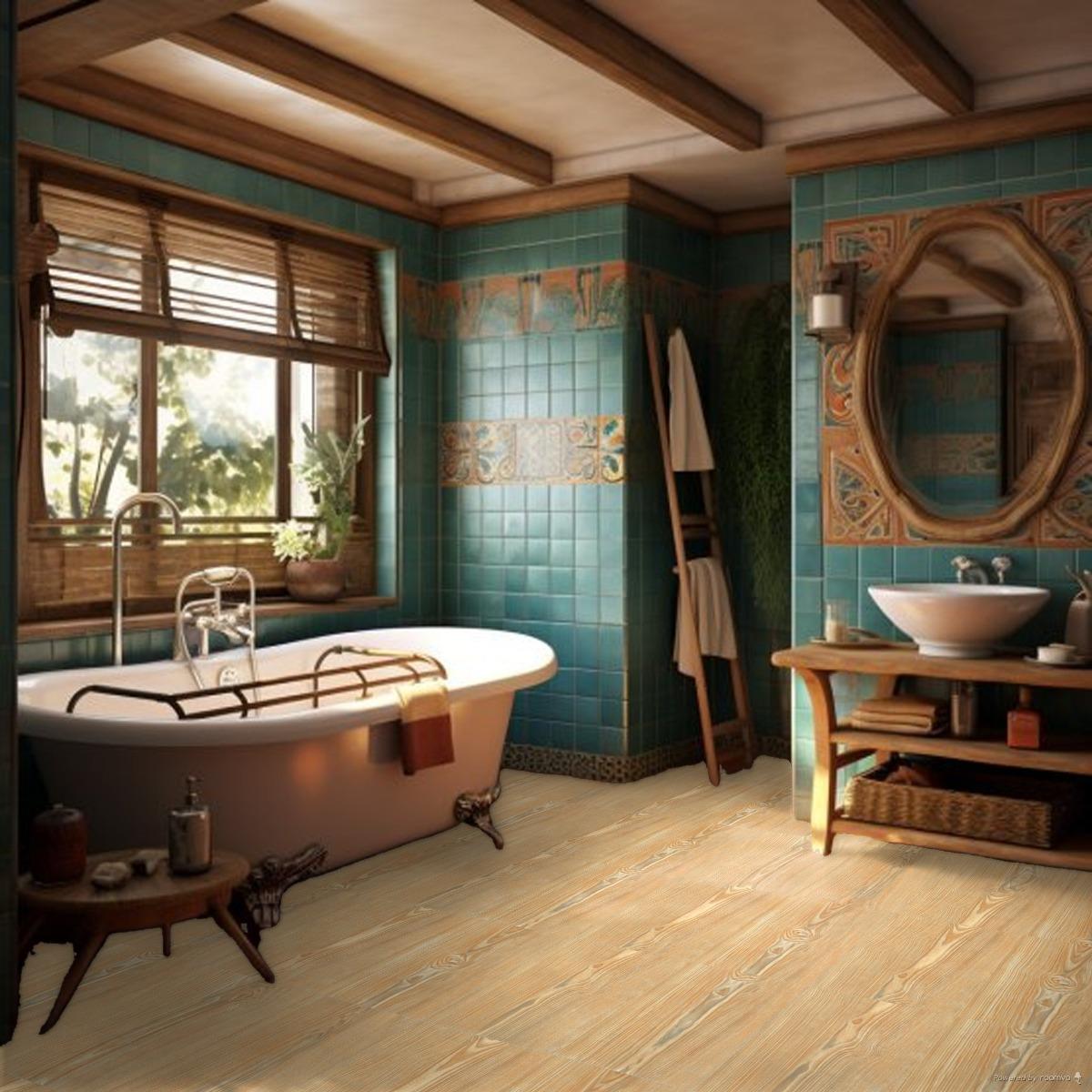
Vitrified tiles are known to feature great strength and work well as a favoured choice for kitchen floors. Their low porosity helps maintain resistance to spills and stains, making maintenance an easy thing to do. Available in various kitchen tile designs to suit most decor, ranging from modern to rustic. Their robust nature suits high-traffic kitchen areas, ensuring your floor remains beautiful and intact for years. The most popular kitchen tile designs include ODM Mango Wood EC Brown (natural wood look), Tuscany Wood Brown (earthy tones), and River Creama (elegant neutrals).
Kitchen Design Ideas
Popular Kitchen Tile Colors at Orientbell
Orientbell Tiles features some of the best kitchen tiles in a range of colours that are popular among our customers:
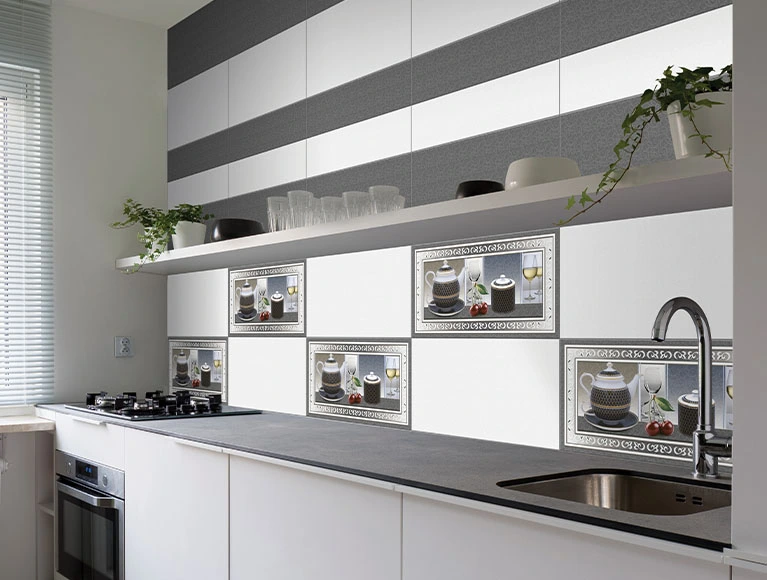
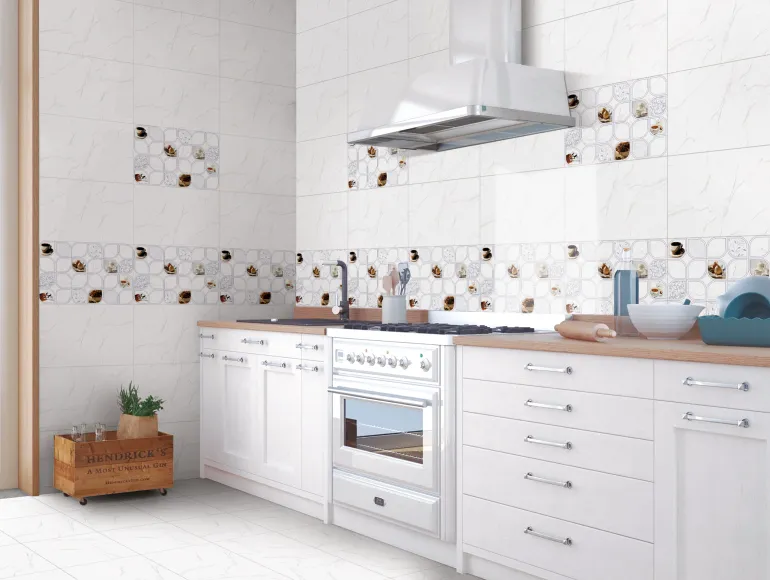
- White Kitchen Tiles – White kitchen tiles give a very classic and timeless look that can elevate any kitchen. With their crisp and clean colour design, these tiles are perfect for creating a bright and airy space. Our tile options provide stunning shades of white that can suit various kitchen colour ideas.
- Grey Kitchen Tiles – Grey kitchen tiles bring a modern and sophisticated feel to your kitchen with their neutral and versatile kitchen colour shades that complement a wide range of kitchen decor. The shades offered range from light to dark and make room for flexibility in designs.
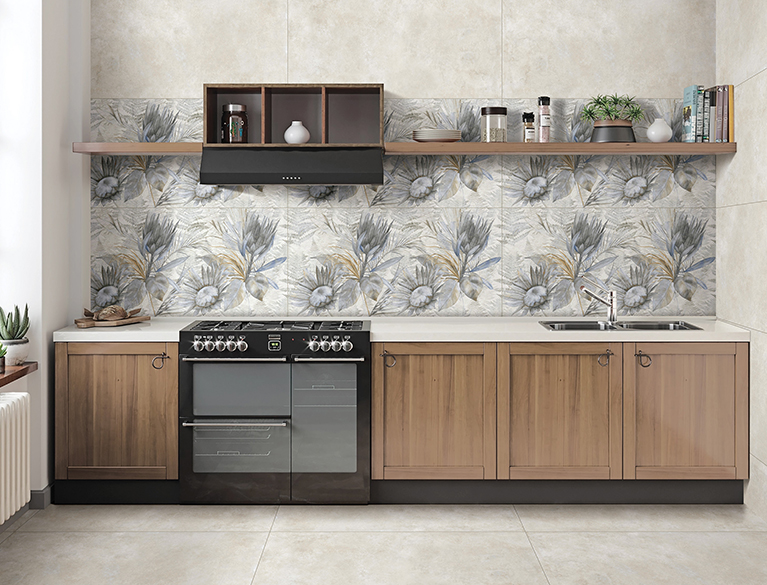
- Brown Kitchen Tiles – Kitchen tile designs in brown colour are appealing and will give your kitchen a warm atmosphere and feel. The touch of earthiness that the brown colour brings makes it one of the best-seller kitchen tiles to create a rustic or traditional kitchen look.
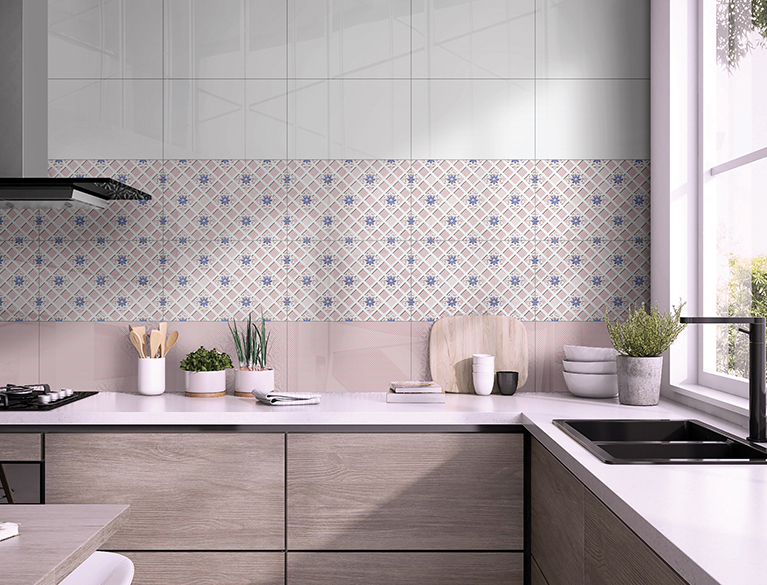
- Blue Kitchen Tiles – The patterns and hues offered by blue tiles could create a coastal feel in your kitchen. Coming in various shades of blue, these tiles go well with a lot of kitchen colour ideas while being soothing to the eyes.
- Beige Kitchen Tiles – Beige tiles are among the more versatile kitchen colour shades, bringing warmth and a relaxed feel to a kitchen. Beige tiles in the kitchen give off a soft and neutral look that is both elegant and understated.
- Black Kitchen Tiles – The sleek hues of black tiles create a statement in your kitchen and fit into various kitchen decor ideas while adding a touch of class.
- Cream Kitchen Tiles – Cream tiles bring a very soft and classic vibe to your kitchen ambience. These tiles come in shades ranging from light to deeper cream, offering flexible options for an elegant look.
- Ivory Kitchen Tiles – Ivory tiles are known to pull off a refined look. Tiles in this colour add subtle sophistication to your kitchen, aligning well with many kitchen themes.
- Green Kitchen Tiles – Green stands for freshness and the natural feel which gives a nature-inspired vibe to your space.
- Pink Kitchen Tiles – Pink kitchen tiles will help with creating a playful and charming look to your kitchen. The soft and lovely shades of pink tiles are ideal for creating a whimsical kitchen atmosphere, adding a unique and colourful touch.
- Yellow Kitchen Tiles – The sunny and vibrant colour design of yellow tiles is perfect for creating a lively kitchen atmosphere. Yellow, with its variant of kitchen colour shades brings a cheerful look while adding warmth and energy to your space.
- Purple Kitchen Tiles – When purple kitchen tiles from Orientbell Tiles are used, it gives a magnificent appearance to the kitchen. These tiles rank among the finest kitchen tile design ideas to provide your interior with a more elegant and simultaneously inspiring space.
- Red Kitchen Tiles – To generate a joyful and spirited atmosphere in your culinary area, red kitchen tiles will make a great choice. They are very convenient for setting up a focal point in the kitchen area.
- Silver Kitchen Tiles – Silver tiles give the kitchen space a sleek, modern appearance that will blend very well with a contemporary design.
- Multi-Coloured Kitchen Tiles – Multi-coloured kitchen tiles convey an impactful yet eclectic look in a kitchen. The colourful and dynamic design makes them among the best-seller kitchen tiles for creating a unique kitchen ambience.
How To Choose Kitchen Tiles
Choosing the right kitchen tiles is important to balance the two most key elements: style and functionality in a culinary space. Here's a checklist you must consider:
- Budget Considerations: Establish a realistic budget and seek good quality options within it. Investing in high-quality kitchen tiles will ensure that they sustain the rigours of daily use and significantly improve the overall appeal of your kitchen.
- Size and Layout: Choose tile sizes and layouts that complement the dimensions of your kitchen. For example, larger tiles can make a small kitchen feel larger in scale. On the other hand, small kitchen tiles in designs like herringbone or subway tiles add visual interest and texture to the kitchen.
- Design and Style: Consider what overall look you are going to create. From colour combination tiles to add cosiness to traditional kitchen tiles that give out old comfort and familiarity, pick those which will complement the feel of your theme in the kitchen. Pay attention to the quality check in terms of uniformity of colour and finish to ascertain a cohesive and impressive look.
- Functionality and Durability: Focus on functionality by choosing kitchen tiles which are going to be easier to clean and maintain. Make sure to go for the ones that are resistant to stains and scratches, more so in areas with high traffic. Go for good quality tiles for longevity while balancing your budget and the need for durable and attractive tiles.
- Variety of Materials: Choose the right material by considering the area, usage and decor of your kitchen. Featuring durability, vitrified and ceramic kitchen tiles can last long without heavy maintenance. Ceramic tiles show versatility in their designs and work well in walls and as backsplashes while vitrified tiles are apt for floors that are prone to spills and moisture due to their low porosity.
FAQs About Kitchen Tiles
1. How to get the correct style and size of kitchen tiles?
-
The right style and size of your kitchen tiles will be chosen considering the dimensions of your kitchen area and your taste. Larger tiles will give an illusion of bigger space in the small kitchen whereas the smaller ones add textures and visual interest. Select styles that compliment the theme and layout of the kitchen to enhance functionalities without compromising on aesthetic appeal.
-
2. Which tile is best for a kitchen?
-
The recommended type of tile to use in the kitchen would be ceramic and vitrified tiles since they are durable. As for the walls, you can opt for the glossy finish since they are easy to clean and for the floor tiles, it is better to choose matte, more so in wet areas, since they provide a non-slip surface. Choose tiles based on your kitchen usage, style, and maintenance expectations.
-
3. How to select kitchen tiles?
-
First of all, decide where you want to get the tiles installed it is for the walls, floors or backsplash! Next, choose the right size and colour according to your space. If you are looking for kitchen floor tiles, you can opt for vitrified tiles, while ceramic tiles are a good-to-go option for kitchen wall tiles.
-
4. What are the trending kitchen tiles at Orientbell Tiles?
-
The trending kitchen tiles at Orientbell Tiles are ODG Juno Multi DK, SBG Mosaic Plain White, SHG Fruit Basket Zonte HL, SHG Wave Onyx HL and OHG Tea Cup Golden HL.
-
5. Is tiles in the kitchen a good idea?
-
Yes, tiles in the kitchen are always a good idea. First of all, tiles enhance the style of the kitchen space and give it a mesmerising look. Secondly, kitchen wall tiles and floor tiles are easy to clean and reduce the stress of rubbing the floors and walls in order to remove hard stains. You can simply use a wet cloth or mop to clean these tiles, and you are good to go! And most importantly, tiles have low porosity and absorb minimal moisture. This means all your spills and splashes will not affect the tile adversely.
-
6. Where can I buy kitchen tiles?
- You can buy kitchen tiles from Orientbell Tiles stores. Also, there is an option to buy tiles online from the official website of Orientbell Tiles. You just need to check out the type of tile you want to buy and then add it to the cart. You can even ask for a sample piece and it will be delivered at your doorstep at a small cost.
7. How to clean kitchen tiles?
- To clean kitchen tiles, you can simply use a wet cloth or mop to remove accumulated stains or marks. Also, you can use a mixture of vinegar and water for stubborn stains. Apply the mix directly over the stain, rub it well and then wash or wipe off the residue
8. Which tile is best for the kitchen countertop?
- Ceramic tiles are best for kitchen countertops as they are durable and long-lasting. Also, these tiles can be cleaned or mopped easily in case there are food stains on the tile surface. They are less water-absorbent and have a less porous body. The Granalt range of vitrified tiles also makes for great countertops and can provide you with a stunning granite-like look.
9. What are backsplash tile ideas for the kitchen?
- You can go for highlighter tiles for your kitchen backsplash. There is a wide range of highlighter tiles available in different designs, colours and textures. You can choose from various designs such as wooden, stone, glass, mosaic and so on. These tiles can be clubbed together with plain ceramic tiles to create an appealing concept.
10. Is matte or glossy tile better for the kitchen?
- Both are excellent choices. Matte kitchen tiles offer better slip resistance and hide smudges, making them ideal for floors. Glossy kitchen tiles reflect light and are easier to clean, making them perfect for backsplashes and walls. Orientbell offers both finishes in a wide range of kitchen tile designs.
- a. Which colour tile is best?
There is no objectively "best" colour tile as personal preferences and design aesthetics vary greatly. The best colour tile depends on various factors, such as the desired mood or atmosphere of the space, the colour scheme of the surrounding area, and the intended use of the space. Although, the choice of tile colour should be based on the individual's personal preference and the overall design vision for the space.
- b. Is polished tile too slippery for the kitchen?
Polished tiles are not usually not considered ideal for kitchen flooring, where spills and water are frequent since they can be slippery, especially if wet. It's crucial to select tiles with non-slip properties or to go with a matte or textured finish instead. On a glossy tile floor, using runners or area rugs can also aid in increasing traction and lower the risk of slipping.
- c. Which lasts longer, glossy or matte?
Tiles can be strong and long-lasting in both glossy and matte finishes, but based solely on the finish, you cannot determine longevity. The quality of the material used to make the tile, its thickness, and the amount of foot traffic and wear and tear it will endure all affect how long the tile will last. In order to ensure the longevity of your tiles, it's crucial to buy high-quality tiles regardless of their finish and to adhere to the recommended maintenance and care procedures.
- d. Which tile is better for the kitchen, porcelain or ceramic?
For kitchen floors, porcelain tile is typically regarded as being preferable due to its longevity and stain- and water-resistance. Porcelain tiles are denser and less porous than ceramic tiles, making them more sturdy and less likely to chip or crack. Porcelain tiles can withstand significant foot traffic in high-traffic areas like kitchens with little deterioration. Ceramic tiles are more appropriate for kitchen areas with minimal usage, although they have some advantages, including price and availability in various finishes and colours.
- e. Is it hard to keep matte tiles clean?
Yes, it is relatively easy to keep matte tiles clean! They do not tend to show dirt and stains more prominently. Matte tiles have a textured surface that can help to hide minor imperfections. Additionally, matte tiles are often made with materials that are more resistant to stains and are easier to clean. With regular maintenance and gentle cleaning, these tiles can maintain their beautiful appearance for years to come.
- f. What colour kitchen floor shows the least dirt?
Typically, choosing light-coloured kitchen floors, such as light grey or light brown, is advised to conceal filth and dust. Additionally, grime, dust, and footprints are less likely to be visible on lighter-coloured satin (low-sheen) finishes. It's crucial to remember that choosing a colour for flooring that hides dirt can also be arbitrary and may depend on personal preferences and the real setting where the flooring will be installed.
- g. What is easier to clean, matte or gloss tiles?
Glossy tiles are easier to clean because of their smooth, shining surface, which repels dirt and stains. Conversely, matte tiles are more porous and textured, which can make them more challenging to clean if dirt or stains get stuck on the surface. Gloss tiles, on the other hand, are more likely to show stains than matte surfaces, so it's crucial to keep that in mind.
11. What is the most durable tile for a kitchen?
- Vitrified tiles are the most durable kitchen tiles. They are highly resistant to scratches, stains, moisture, and heavy foot traffic, making them ideal for busy kitchens.
12. Which type of tiles are cheaper?
- Ceramic tiles are generally the most affordable option for kitchen walls and backsplashes. They offer excellent design variety at a budget-friendly price.
13. What size tiles make a kitchen look bigger?
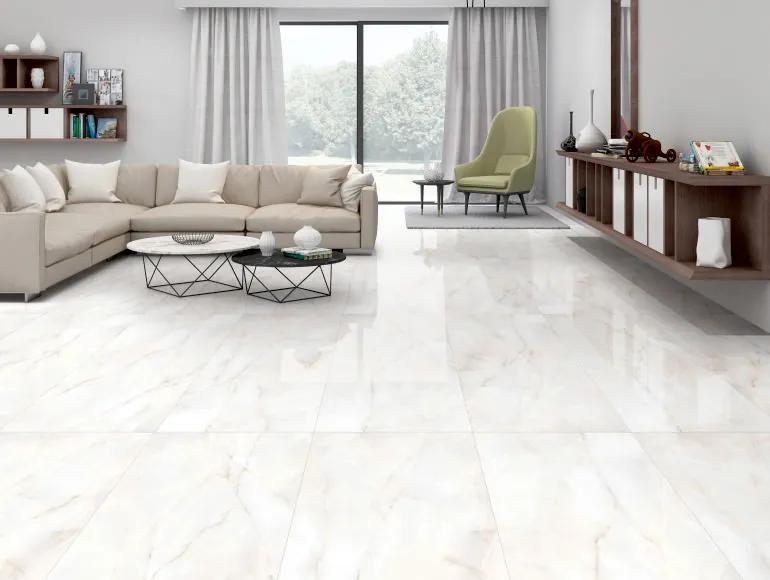
- Large-format tiles, such as 600×600 mm or 600×1200 mm, create fewer grout lines and make a kitchen appear more spacious and seamless.
14. Is it better to have porcelain or ceramic tile?
- It depends on the application. Porcelain tiles are best for kitchen floors due to their superior strength and water resistance, while ceramic tiles are an excellent choice for kitchen walls and backsplashes.
15. Which are the best quality tiles?
- The market offers a variety of high-quality tile options, including slate, granite, marble, ceramic, and porcelain. Cost, durability, and aesthetics will determine a project's need for the highest quality tile. Natural stone tiles like granite and marble offer a distinctive and high-end aesthetic but may require more upkeep. Porcelain and ceramic tiles are frequently preferred for their longevity and ease of maintenance.
- a. Which tiles are long-lasting?
Porcelain tiles, ceramic tiles, and natural stone tiles (such granite, marble, and limestone) are all regarded as being extremely durable and long-lasting tile options.
- b. Which colour of tile is best?
The ideal tile colour will depend on the particular space and the overall style of the design. But safe alternatives that work well with a range of decor types are neutral colours like white, beige, cream, and soft pastel colours. It's also a good idea to consider things like the amount of natural light in the space, the volume of foot traffic, and how simple it will be to clean and maintain.
- c. What kind of tile lasts the longest?
Porcelain and Ceramic tiles are considered to be durable and long-lasting options for flooring and walls. They are reasonably resistant to scratches, stains, and water, and can maintain their appearance for many years with proper care.
- d. What Thickness of tile is best?
The best thickness of tile depends on several factors, such as the intended use, the size of the tile, and the installation location. Generally, thicker tiles are more durable and can withstand heavier traffic and weight. For flooring, tiles with a thickness of at least 8-10mm are recommended, while wall tiles can be thinner at around 4-6mm. However, it's always best to consult with a professional or tile manufacturer for specific recommendations based on your needs.
- e. Which tiles are the toughest?
Due to their greater hardness, density, toughness, porcelain tiles are typically regarded as the toughest form of tile. Porcelain tiles are also resistant to dampness, stains, and scratches, making them perfect for outdoor use and high-traffic areas. While porcelain is frequently regarded as the strongest and most lasting option for tile, other materials including natural stone, granite, and cement are also durable.
- f. Which tiles are good, matte or glossy?
Matte tiles are less slippery, tend to have a more understated and refined appearance, and are better at concealing stains and scratches. Additionally, they often need less upkeep than glossy tiles. While Glossy tiles provide a shiny, reflective surface that can give the impression that a space is larger and brighter. Although they are simple to clean but could be more slippery and need more frequent upkeep to preserve their gloss. In the end, the decision between matte and glossy tiles comes down to personal preference, space-specific requirements, and design considerations.
- g. Which tiles are easier to clean?
Vinyl, glazed or polished porcelain, ceramic, and glass tile are some of the tile varieties that are regarded as being easier to maintain. Since none of these tiles are particularly permeable, they are less likely to collect dirt and stains. Additionally, they are simple to clean with solutions of vinegar and water or common household cleansers.
- h. What is better porcelain or ceramic tile?
Porcelain tile is generally considered to be better than ceramic tile because it is denser, harder, and more resistant to moisture and staining. Porcelain tile is also more durable and can be used in high-traffic areas, whereas ceramic tile is better suited for low to moderate traffic areas. However, porcelain tile is typically more expensive than ceramic tile.
16. Which tiles are the cheapest?
- The cheapest tiles can vary depending on various factors, such as the material, size, and manufacturer. Generally, ceramic and porcelain tiles are more affordable than natural stone or glass tiles. However, it's always best to compare prices and quality across different brands and types to find the most cost-effective option for your specific needs.
- a. Which grade tiles are best?
The best grade of tiles depends on the specific use case and personal preference. Generally, Grade 1 tiles are considered the highest quality, most durable, and most uniform in appearance, making them a popular choice for high-traffic areas such as hallways and kitchens. However, Grade 2 and Grade 3 tiles are also suitable for residential use and may offer more affordable options with slight variations in color and texture.
- b. Which tiles are the most durable?
Due to their durability, density, and hardness, porcelain tiles are typically regarded as the most durable form of tile. They are perfect for use outside and in high-traffic areas because of their exceptional resistance to moisture, stains, and scratches. Natural stone tiles like granite and ceramic tiles are two additional sorts of tiles that are renowned for their durability.
- c. Are Bigger tiles cheaper?
Due to the higher cost of production and transportation, larger tiles are typically more expensive than smaller tiles. However, because they cover more space per tile and require fewer grout lines, larger tiles can be more economical to install. Therefore, a number of variables, such as the type of tile, the method of installation, and the general layout of the area, affect how cost-effective larger tiles are.
- d. How much should I budget for the tile?
The price of tile varies based on the kind of tile, how large the area needs to be tiled, how difficult the installation is, and where you reside. The typical cost of tile materials and installation ranges from Rs 80 to Rs 1600 per square foot. It's recommended to consult with a local tile installer to get an idea of the costs involved in order to receive a more precise quote for your particular project.
17. What tiles are in trend?
- Popular kitchen tile trends include marble-look tiles, terrazzo designs, subway tiles, wood-look tiles, geometric patterns, textured finishes, and large-format tiles. Orientbell offers all these trending kitchen tile styles.
18. Which is the most durable type of tile?
- Porcelain tiles are regarded as the tile type with the greatest level of durability. The dense clay used to create porcelain tiles is fired at extremely high temperatures to create a hard, long-lasting material impervious to cracks and damage. Porcelain tiles are a great option for usage in high moisture or high foot traffic areas like kitchens, baths, and entryways because of their exceptional water resistance.
- a. Which tile is scratch resistant?
Both ceramic and porcelain tiles are typically regarded as sturdy and quite scratch-resistant options. However, the hardness and scratch resistance of a tile can be impacted by elements such as glaze, surface quality, and the tile's rating or classification system such as the Porcelain Enamel Institute (PEI) grading. It's vital to examine the specific type and quality of the tile being used, as well as considerations like foot traffic and wear and tear, when picking a scratch-resistant tile for a particular application.
- b. What type of tile is easiest to clean and maintain?
Ceramic and porcelain tiles are the easiest type of tile to clean due to their non-porous surface which repels stains and dirt. They can be effortlessly wiped clean using a damp cloth or mop, and they are also resistant to most household cleaners.
- c. What type of tile stays coolest?
Porcelain and ceramic tiles tend to stay cooler than other types of tiles because they are non-porous and have a lower thermal conductivity. They are also less likely to absorb and retain heat, which can help keep your floors cooler.
- d. Which is better ceramic or porcelain tiles?
It depends on your needs and preferences. Ceramic tiles are cheaper and easier to install but less durable. Porcelain tiles are denser, more durable, and better for high-traffic areas or areas exposed to water or humidity but are more expensive and difficult to install.
- e. Which tile is not slippery?
It is suggested that you choose tiles that are designated as slip-resistant or have high coefficients of friction to reduce the slipperiness of tiles. This can include choices like textured ceramic or porcelain tiles, matte finish tiles, or tiles with rougher surfaces that offer extra traction on the ground.
19. What Kitchen Tiles are in for 2026?
- Kitchen tile trends for 2026 include large-format porcelain tiles, stone-look finishes, warm earthy tones, terrazzo patterns, fluted and textured tiles, matte finishes, and minimalist subway tiles. Orientbell's latest kitchen tile collections combine these modern trends with durability and easy maintenance.
20. Are there any tile stores specialising in kitchen tiles and offering expert advice?
- If you're looking for specialised kitchen tiles and expert advice, consider exploring Orientbell Tiles. We offer diverse tiles and provide professional guidance, ensuring you find the perfect match for your kitchen space. Our expertise and quality products will elevate your design process. Contact us at 1800 208 1015 for any further assistance.
21. What are the best tiles to put in a kitchen?
- The best tiles for a kitchen are ceramic and porcelain tiles due to their durability, low maintenance, and ease of cleaning. Large-format tiles are also an excellent choice for kitchens, as they create a seamless look with fewer grout lines, adding to the kitchen's aesthetic appeal.
22. How to choose tile for kitchen?
- When selecting tiles for your kitchen, consider the room's dimensions and design. Choose large, neutral-colored tiles for smaller kitchens to give the impression of more space. In large kitchens, smaller square tiles in delicate hues and bold-colored rectangular edges can provide a dramatic and fashionable appeal.
23. What is the best design for kitchen tiles?
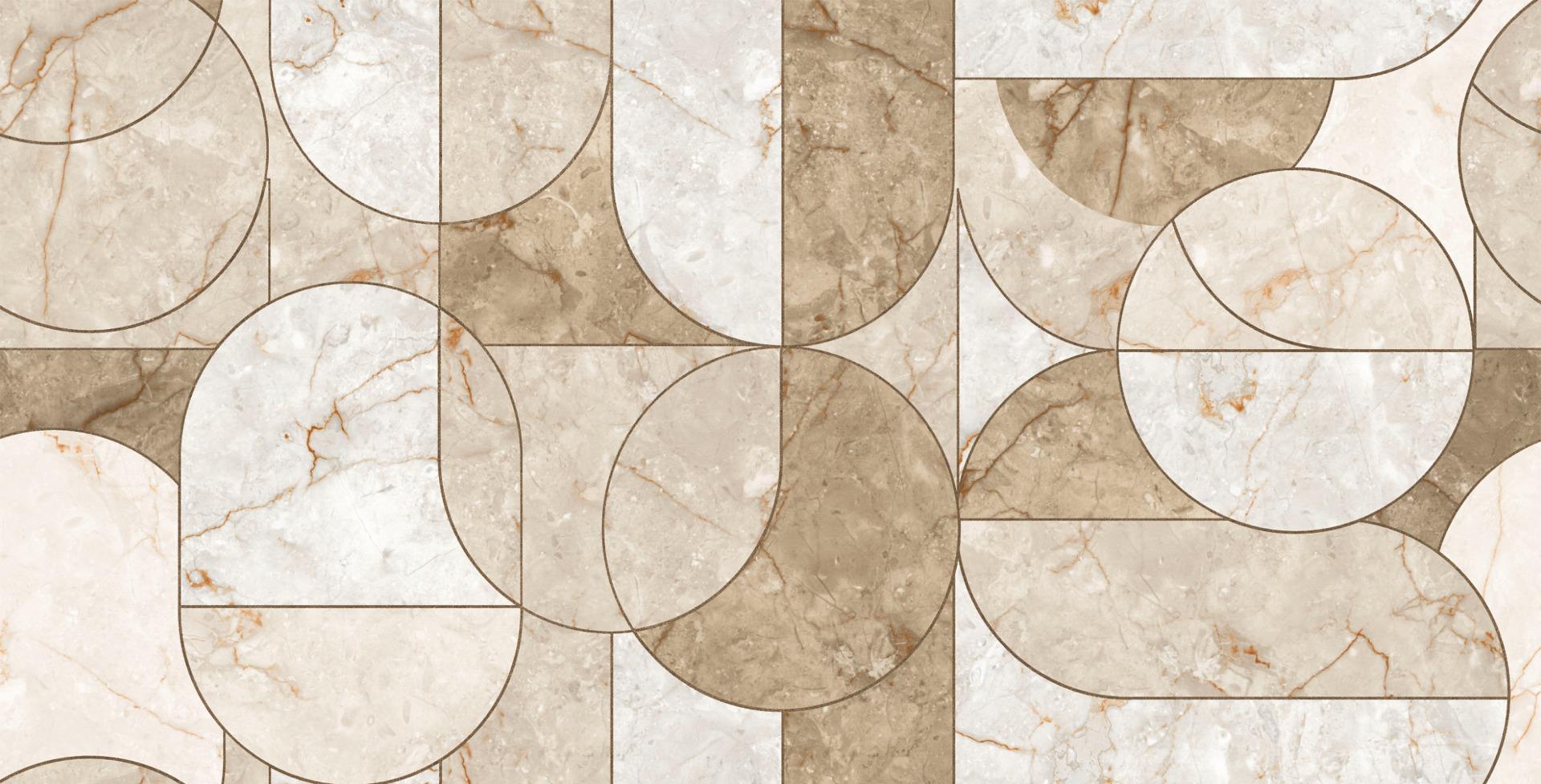
- If you love experimenting, use kitchen wall tile designs with bold patterns, like geometric, floral, or Moroccan, to add character and charm.
24. How do I choose the right kitchen tile design?
- Pick kitchen tiles that balance function and style. Look for slip-resistant surfaces for safety, and choose designs that resist stains, heat, and moisture to handle everyday Indian cooking challenges with ease.
25. Can flexi tiles be used in the kitchen?
- Flexi tiles work well for kitchen walls, backsplashes, and curved counters. They are a notch better than traditional tiles, are easy to maintain, and add visual depth. However, flexible tiles should be avoided on kitchen floors due to the functional and heavy foot traffic.
Get personalized expert advice tailored to your space

Consult Us
 DOWNLOAD CATALOGUE