Choosing a tile is only half the job. Once you have decided on the tile, there is another small detail that can subtly but sharply change the entire appearance of the finished look: the joint width. Essentially, tile spacers help maintain a consistent gap between tiles during installation, creating what is commonly known as the grout joint. This is meant to provide a seamless and coherent effect once the tiling process is complete. While a few millimetres may not sound like much, the size of that gap can affect everything from the overall appearance of the floor or wall to how prominent the grout lines look – creating either a smart or a shabby-looking area, making the tile spacer size one of the most important considerations when designing the space.
The Tool Behind the Neat Layout
Tile spacers are small accessories placed between tiles during the installation process to help maintain a consistent distance from one tile to the next. Without them, it can be surprisingly difficult to keep every tile gap size uniform, particularly across a large floor or wall. You might think of it as something insignificant; however, consistent spacing is essential for achieving a professional-looking installation. There would be practically no point in investing a hefty sum in tiles if uneven gaps can make them appear misaligned. Spacers are available in different sizes, with each size creating a different grout line width.
Sleek Surfaces, Small Gaps
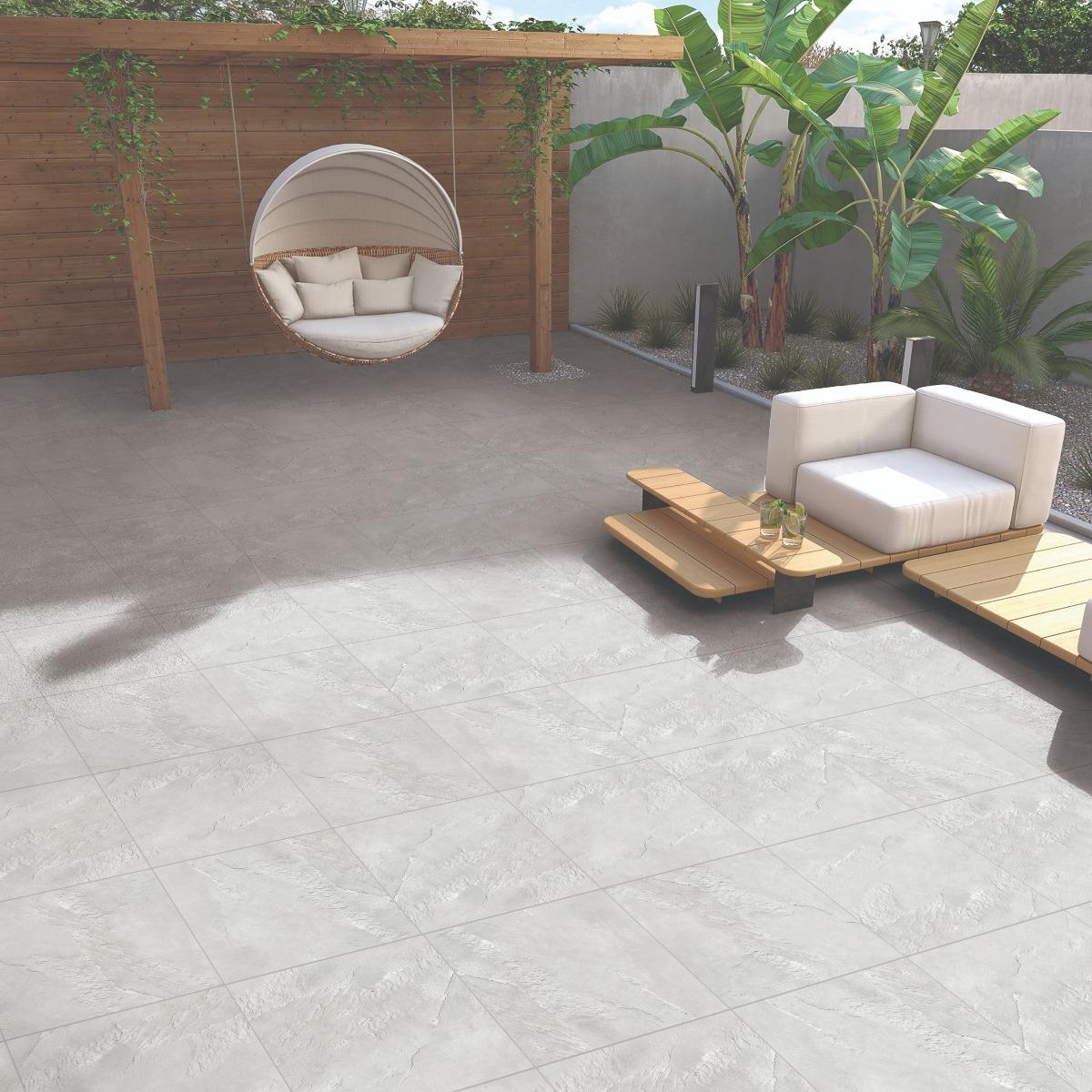
If you’re aiming for a modern, seamless appearance, a narrow grout joint can be an attractive option. Smaller gaps allow the tile surface to visually flow together, making the grout less noticeable. This approach works very well with large-format tiles and minimalist interiors, especially when the goal is to create clean visual lines without too much interruption. A similar grout colour can further reduce the prominence of the joints, making the entire surface appear more continuous. The tile gap size does not have to be zero. Tiles still need an appropriate joint based on their specifications and installation requirements. Spacing tiles one against the other is not a substitute; proper spacing is still required.
Wider Gaps, Strong Designs
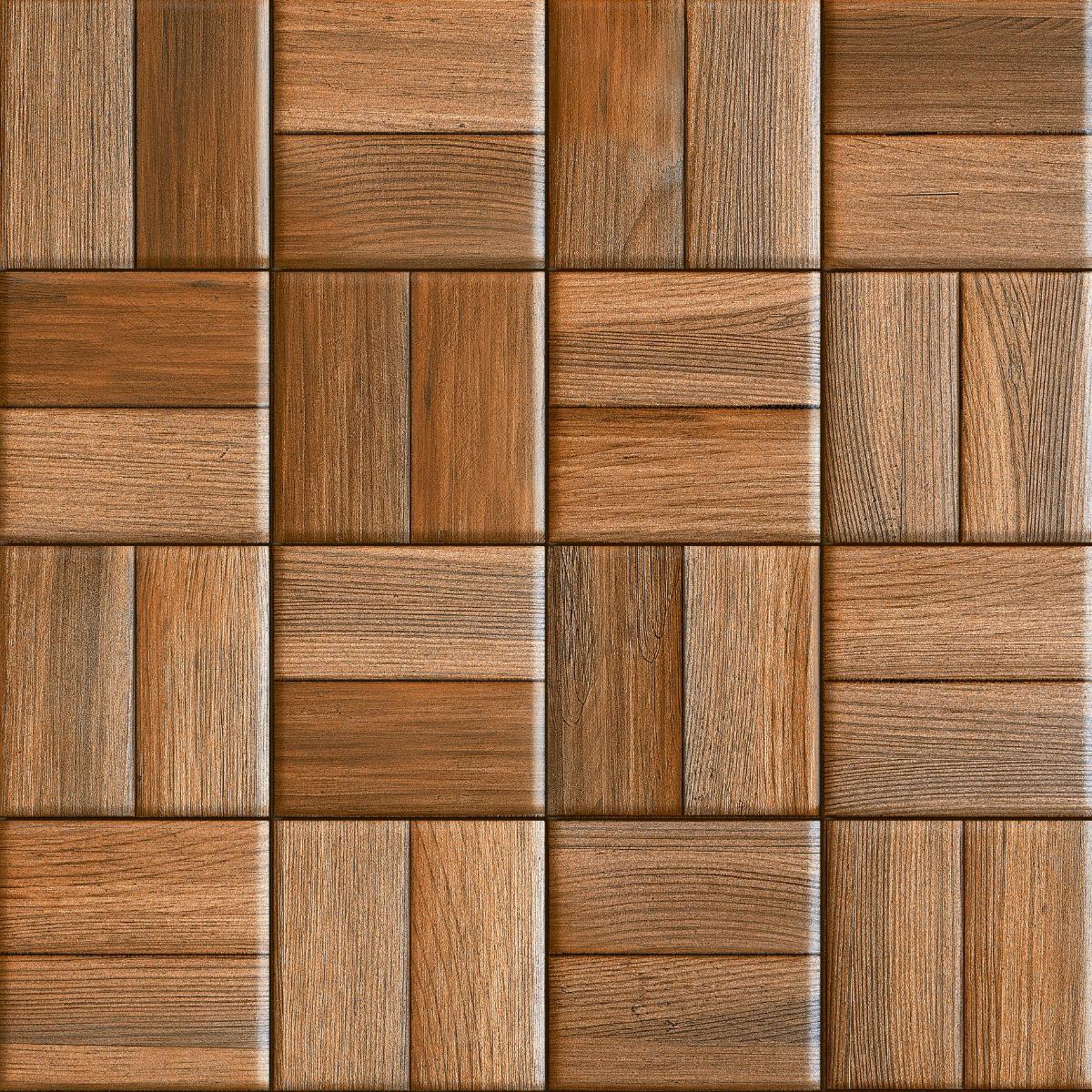
It is not a bad idea to have the grout line width slightly wider as well. A wider joint creates more definition between individual tiles and can help emphasise a particular layout or pattern. This can work especially well with smaller tiles, and also ones with decorative designs, where the arrangement itself is part of the visual appeal. For example, a contrasting grout colour combined with a wider joint can make geometric tiles or brick-style layouts look more prominent. This way, instead of blending into the background, every individual tile can become a part of the overall pattern.
Tile Spacing Doesn’t Have to be Uniform
It can be tempting to buy one spacer size and use it throughout the house. After all, why complicate things? That, however, may not be the best thing to do. Different tiles and applications can have different requirements during installation. Rectified tiles, for example, are manufactured with highly precise edges and can generally be installed with narrower joints, subject to the manufacturer’s recommendations. Non-rectified tiles may have slightly more variation along their edges and may require wider joints to accommodate those differences.
Tile material, size, edge type and installation conditions all matter. This is why the designers and manufacturers recommend a tile spacer size width that should always be considered before deciding on the final space needed.
Consider Grout Colour
One of the most useful design tricks is to keep in mind the grout colour as well. Joint width isn’t the only thing that determines the prominence of grout lines. A grout colour that closely matches the tile can make even a moderately sized joint appear subtle. A contrasting grout can make the same joint look much more prominent. Moreover, a minimal grout line width of a light tile with dark grout will naturally create strong visual lines. You can easily soften the effect by choosing a grout colour closer to the tile shade. This also means that you can sometimes create two completely different looks using the same tile and spacer size simply by changing the grout colour.
Large-Format Tiles
Large-format tiles have become increasingly popular in contemporary interiors because they can create a spacious, sophisticated appearance with fewer grout lines. But their larger size makes it extra important to ensure proper installation. After all, a beautiful large tile won’t look quite so beautiful if an uneven tile spacer size causes the layout to drift across the room.
Floor vs Wall
Wall tiles are often selected for their visual impact; the joint can be an important part of the design. Narrow spacing can create a contemporary, streamlined effect, while wider spacing can make decorative layouts more prominent. The tile gap size for floors needs to account for practical factors such as utility, movement, traffic, etc. Spacer surely cannot be one-size-fits-all.
Conclusion
Tile spacers may look tiny, but their effect isn’t. The wrong one can make an otherwise beautiful tile installation look uneven or visually disconnected, while the right one can have a wonderful visual impact. The trick isn’t to simply choose the smallest or largest spacer available. Instead, consider the tile’s dimensions, edge type, installation area and recommended joint width, and then think about the aesthetic you want to create.
A seasoned technical professional with over 22 years of experience in ceramic and vitrified tile technology. As Assistant General Manager – Technical Support at Orientbell Tiles, he brings extensive expertise in tile selection, installation standards, and quality compliance. His experience includes advising architects, contractors, and homeowners on technical specifications, tile applications, and best practices for achieving durable and high-quality results.


 600×1200 mm