Choosing between tile and granite is one of the most debated topics when making decisions about home construction or renovation. Both of these materials are popular and are often chosen by homeowners as their first preference for flooring, walls, and countertops. However, they differ significantly in cost, durability, maintenance, and design flexibility. This guide will help you take a deep dive into the differences between tiles and granite, helping you make the right decision for your space.
What Are Tiles?
When it comes to the question of tile or granite, which is better, it is best to start with the basics. Tiles are man-made covers for your surfaces. Tiles can be fit into any part of your home without a fuss. They serve multiple purposes in the house. Tiles are also the most preferred for commercial spaces. Tiles likeflexi tiles are great for covering curved surfaces. They are manufactured using clay or minerals and fired at high temperatures to achieve strength and durability.
Tiles are widely known for their:
Extensive range of colours, textures, and finishes
Availability in multiple sizes, including large formats (mosaic to large format tiles)
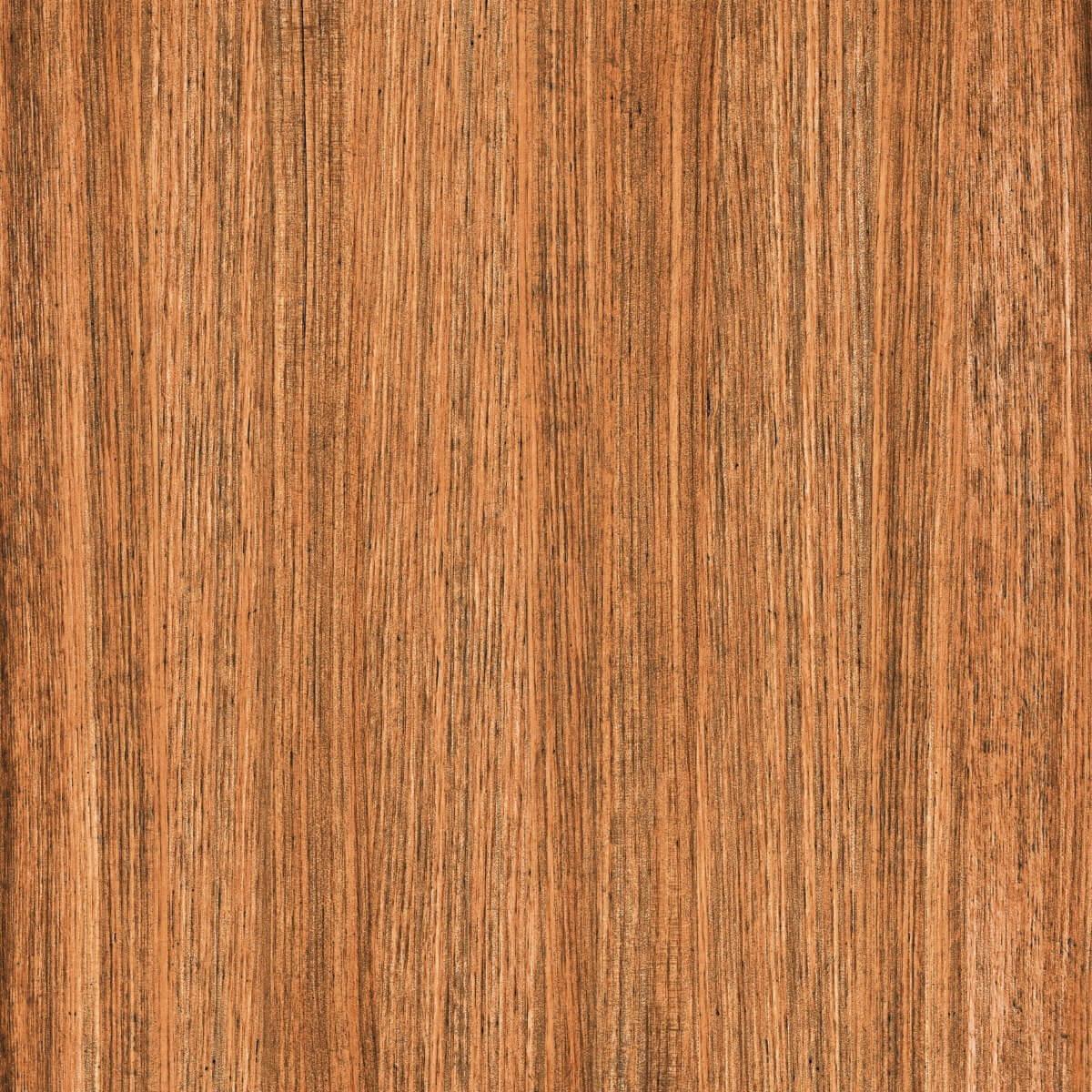
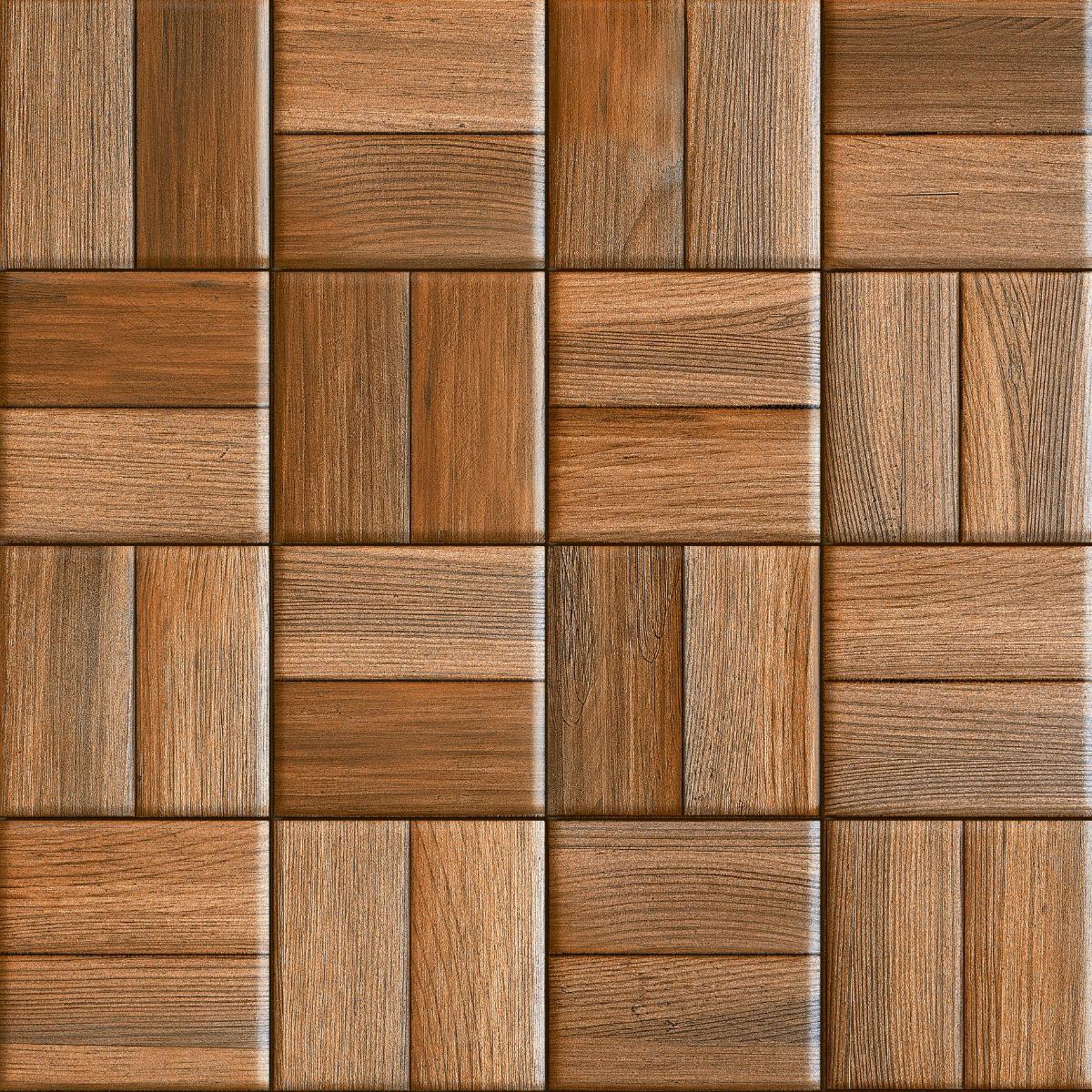
Appearance that can come from natural materials like wood, marble, and granite
Granite is a natural stone formed and mined from the depths of the earth. It is derived from crystallised minerals like quartz and feldspar. It can be cut into slabs and polished for use in flooring, countertops, and more.
Granite is known widely for its natural patterns and one-of-a-kind textures and shades. One of the top reasons granite is used is its strength and density, along with its rich and luxurious appearance. The durability allows granite to be used effectively for kitchen countertops, staircases, high-end flooring, and outdoor areas.
Key Difference Between Tile and Granite
1. Material Composition
The key difference between tile and granite is the composition. Tiles can be made up of ceramic, porcelain, vitrified, clay, and so on. The correct material composition for each tile ensures it stays looking good and is not easily damaged.
At the same time, granite is a naturally occurring stone. The whorls and strokes of natural beauty are heavily dependent on the mix of minerals during their formation.
When considering tile vs granite, remember that tiles offer uniformity, while granite provides natural uniqueness.
2. Durability & Strength
Granite is one of the hardest natural stones and can withstand heat and heavy impact. It is resistant to scratches, and granite can be restored using a specific polishing method.
Tiles, especially vitrified and porcelain tiles, are also highly durable and moisture-resistant, but can chip under heavy impact. Tiles are a practical solution for everyday use.
3. Maintenance
Tiles are easy to clean and require overall lower maintenance. They do not require sealing all over the surface and can be sealed only on the grouting to keep the moisture at bay.
Granite is inherently porous and needs to be sealed periodically. Granite can lose their shine over time and needs to be polished. Stains on granite are very difficult to remove. The porous nature absorbs and stains easily, which demands quick action or proactive use of covers or coasters.
The granite and tiles difference can be felt when it comes to maintenance costs, too. Tiles are more convenient for modern lifestyles, especially in busy households.
4. Design & Aesthetics
If you are looking for an option that gives you complete creative liberty, then tiles are the ideal option. The unlimited combinations and patterns you can form using colours, finishes, and designs are a great bonus point.
The natural attractiveness of granite is elegant. Granite is available in different colours and can be used to fit into a particular colour scheme.
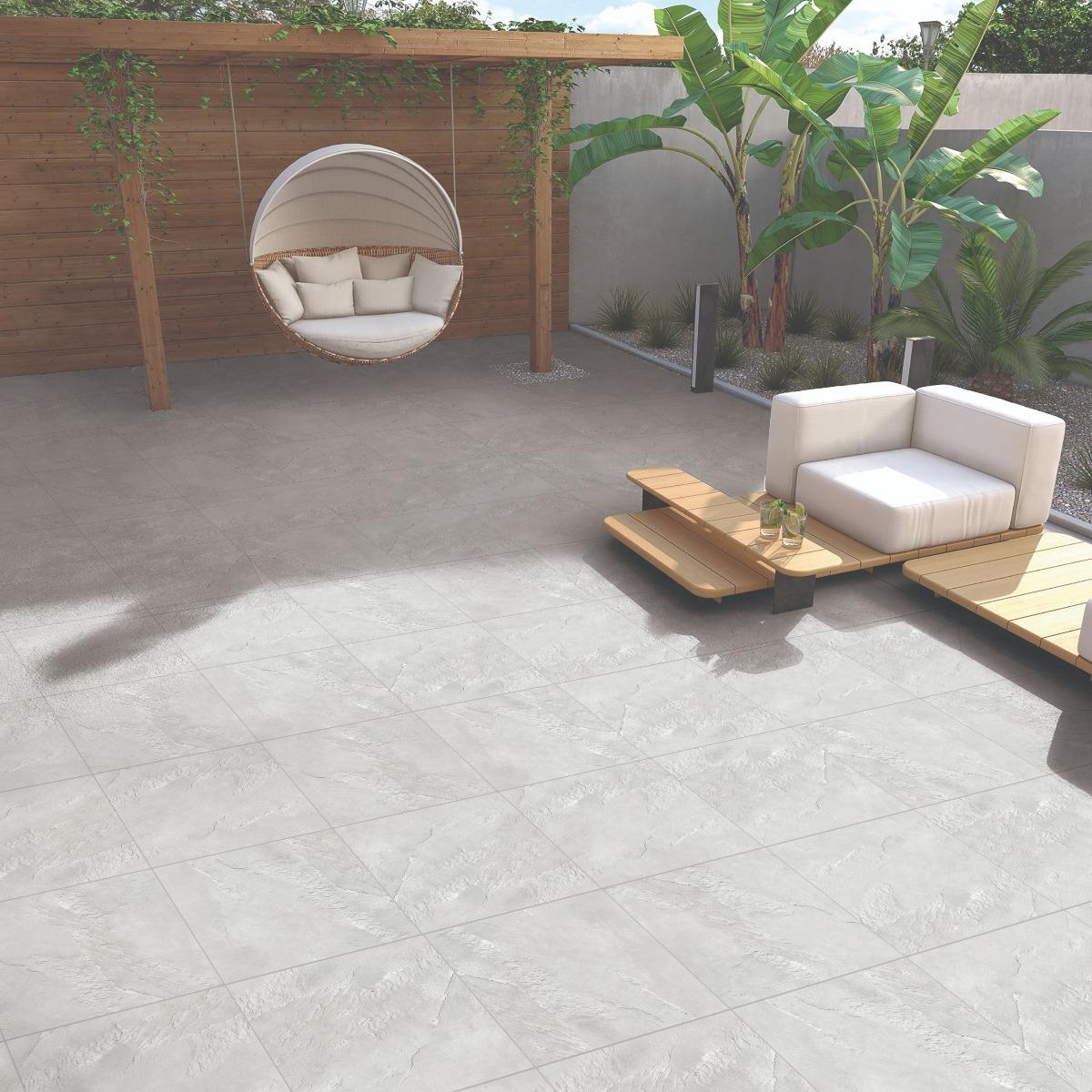
Tiles can even replicate granite or marble at a lower cost, giving you more design flexibility.
The preparation of the surface, along with the actual installation, gives tiles an added advantage. It is quicker, easier, and cheaper to install tiles. It is easier to cover tricky corners and curved surfaces. The wastage is less, and you can keep a backup stock to replace damaged tiles.
Granite comes in heavy slabs and requires skilled labour for installation. The preparatory period is longer, and the overall process is labour-intensive too.
Tiles are more installation-friendly and cost-effective in terms of labour.
Tile vs Granite Price Range: Cost Comparison Summary
The basic tiles vs granite price will definitely depend on multiple factors, including quality, quantity, size, and so on. Here is a layout of the comparison.
Factor
Tiles
Granite
Initial Cost
Low to medium
Medium to high
Installation Cost
Lower
Higher
Maintenance Cost
Minimal
Moderate (sealing required)
Long-Term Value
Good
Excellent durability
Which Is Better: Tiles or Granite?
Now that the difference between granite and tiles has been sufficiently highlighted, let us compare the two. The answer depends on the area of the house you are looking at. A kitchen counter is a perfect place for a granite slab. At the same time, walls, floor, ceiling, wardrobe, and outdoor spaces are all better built with tiles.
Tiles
Tiles are perfect for affordability and variety, while ensuring low maintenance. They are perfect for giving you a warm aesthetic while providing a material suitable for all weather conditions. Tiles offer a plethora of modern, vintage, contemporary, and many other designs with ample flexibility.
Granite
Granite can give you a premium and natural look that comes with the stone. If durability is your top priority, then granite is the way to go. You are looking at premium spaces with a high budget, and granite is a good choice.
Conclusion
The tile vs granite discussion is all about personal preference. Tiles offer unmatched versatility and value, making them ideal for most residential and commercial spaces. Granite, with its timeless appeal and strength, is perfect for premium applications.
If you’re looking for a smart, stylish, and cost-effective solution, tiles are often the better choice while granite remains a great option for adding a touch of luxury where it matters most.
A seasoned technical professional with over 22 years of experience in ceramic and vitrified tile technology. As Assistant General Manager – Technical Support at Orientbell Tiles, he brings extensive expertise in tile selection, installation standards, and quality compliance. His experience includes advising architects, contractors, and homeowners on technical specifications, tile applications, and best practices for achieving durable and high-quality results.


 600×1200 mm