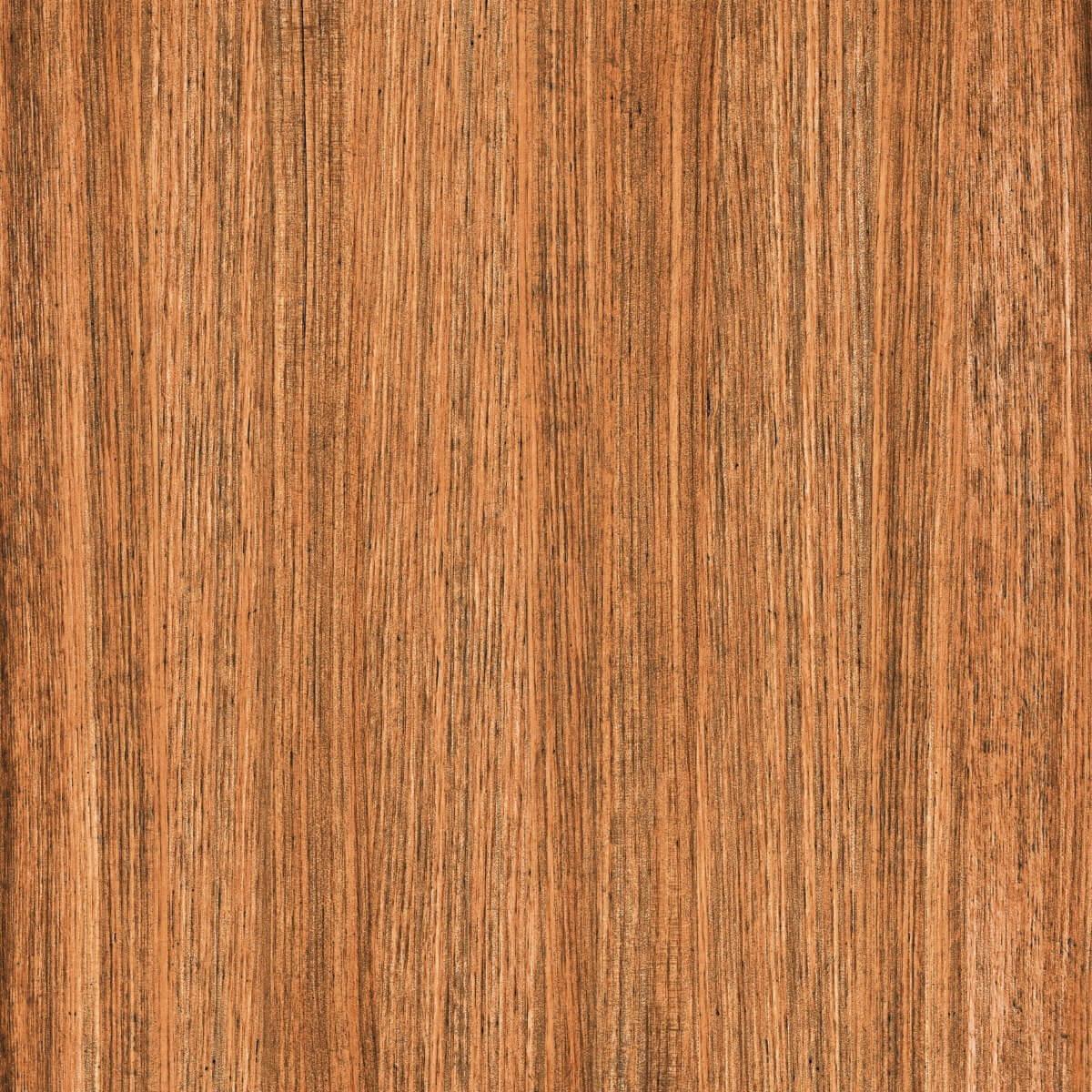
Mushroom Woven Jute Flexi tile with natural woven texture for modern interior and exterior walls
One of the most defining features in contemporary architecture is curved walls. They are known to introduce a pleasing sense of rhythm and movement with softness that is attractive at a single glance. The fluid facades, statement partitions, sculptural elements, etc., were considered highly sophisticated.
Even though curved wall designs look brilliant, executing them is not straightforward, especially when cladding is involved. It is where architectural flexi tiles come into play. These tiles are a game-changing solution, as they are designed to adapt to curved geometries without compromising strength or the finished look. What these tiles offer is great architectural freedom to explore more complex forms and structures with confidence.
Whether for exterior cladding or interiors, flexi tiles are an architect’s dream.
The Technical Demands of Curved Walls
There is no doubt regarding the visual element of curved walls. However, they are known to disrupt conventional construction design. When flat tiles are placed on curved walls, their standard, rigid nature tends to crack or misalign their look. This process also results in wastage. Unideal for architects as it leads to compromises on design and less durable finishes.
Curved architecture often demands curved wall cladding solutions – without the right material, a dynamic finish cannot be achieved. Here are some challenges with curved walls.
Rigidity of the Materials
Traditional ceramic or vitrified tiles are designed for flat surfaces. When placed on curves, they resist bending, which can lead to cracking during installation. Additionally, traditional tiles might also experience long-term stress fractures. The poor adhesion during installation due to the curves leads to breakage and compromised visual quality.
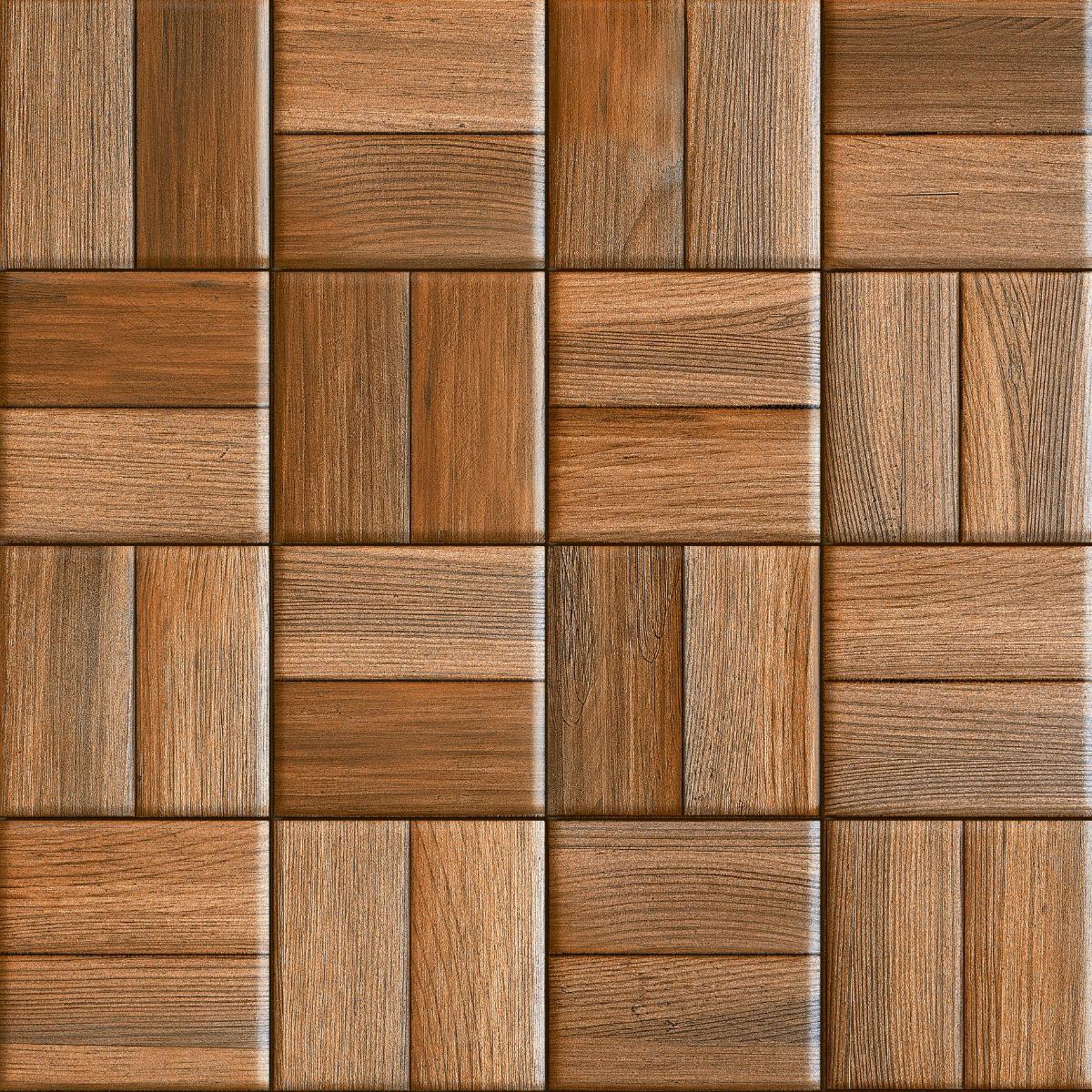
Ash Groove Cut Stone Flexi tile is designed for modern feature walls with a refined grooved stone texture
Specific Advantage of Flexi Tiles – Flexible wall tiles for architects are a great solution, as they are engineered with a thin, bendable structure that allows them to be placed in curved profiles as well. Common materials that are used to make these tiles: natural clay, Polymer-based composites, resin-based materials, and fiber-reinforced layers. They do not fight against the geometry; they adapt to it.
Lack of Visual Continuity
When walls are curved, even the smallest imperfections are magnified. Particularly under architectural lighting, the distortions and disruptions are noticeable. Standard tiles cannot maintain the rhythm of the curved walls.
Specific Advantage of Flexi Tiles – The applications of flexi tiles are known to extend to maintaining a consistent alignment and flow, even along sharp curves. They can also be used for interior feature walls and cylindrical columns.
Excessive Cutting, Wastage, and Time
Installing conventional tiles on curved platforms requires significant adjustments. It also leads to high material wastage and increased labour costs. Not only that, the inconsistent edges and extended project timelines make it a tedious process for everyone. Using other options, such as clay-cladding tiles for the façade, is often more effective.
Specific Advantage of Flexi Tiles – Buy flexi tiles online as they conform to naturally curved surfaces, and they reduce cutting requirements during installation. They are the ideal solution for curved wall cladding, as they also help architects achieve cleaner installations with reduced wastage and faster results. Architectural flexi tiles are extremely valuable in commercial and hospitality projects.
Limited Durable Options for Curved Wall Cladding
Originally, architects relied on paint, plaster, metal sheets, and laminates for curved walls. While these metals are flexible, they are not durable. Changes in weather or lack of maintenance can cause significant damage to their appearance and internal structure. There was a gap in the market regarding lightweight exterior cladding tiles that could handle curves while offering optimal performance.
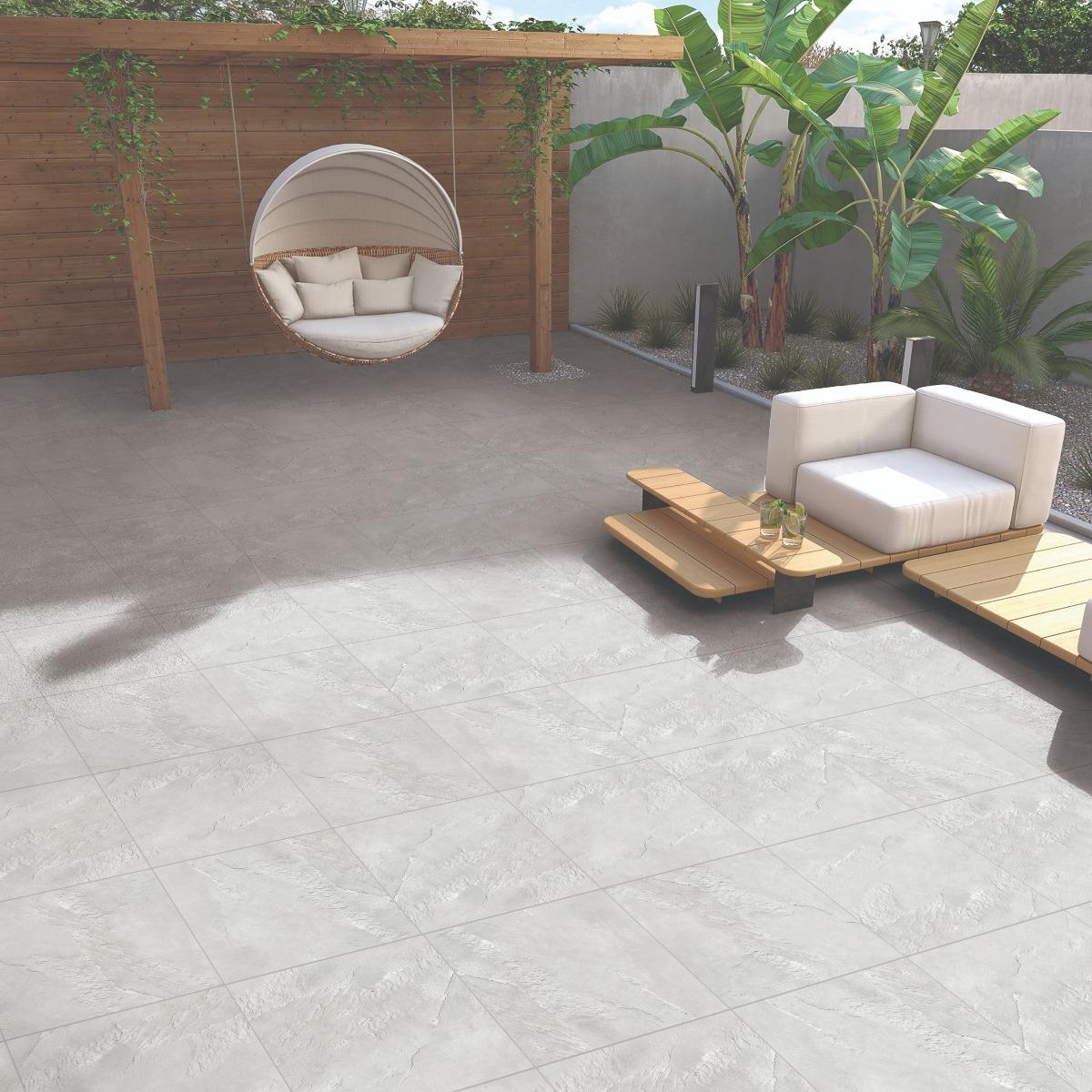
Exterior wall design using Mushroom Stream Limestone Flexi tile with natural stone texture
Specific Advantage of Flexi Tiles – Flexi Tiles are a durable alternative for both interior and exterior curved tile applications. As a fantastic exterior cladding solution, they reduce structural load while being resistant to moisture and UV rays. They are suitable for boundary walls and architectural highlights as well. The Rock Cut Stone Flexi Tiles are excellent for outdoor use and feature a refined look.
Long Term Performance
Curved surfaces exert stress on the tile finishes over time. Since they are not sealed properly, the poor adhesion can lead to debonding and hollow sounds, or even surface failure – particularly during temperature variations.
Specific Advantage of Flexi Tiles – They are architecturally reliable, offering better surface contact on curved areas, too. This ensures stronger adhesion. Correct installation of tiles ensures even stress distribution across the surface, enhancing long-term performance. These applications make flexi tiles a desired choice among architects.
Flexi Tiles vfs Regular Tiles for Curved Wall Applications
Design Challenge
Regular Tiles
Flexi Tiles
Suitability for curved walls
Poor
Excellent
Bending capability
Rigid, prone to cracking
Engineered to bend
Cutting & material wastage
High
Minimal
Adhesion on curved surfaces
Inconsistent
Uniform surface contact
Exterior durability
Limited
Weather & fire resistant
Structural load
Heavy
Lightweight
Where do Flexi Tiles Excel
It is vital to understand the overall application and design opportunities that flexi tiles offer. Buy flexi tiles online as their advantages span multiple project types.
Curved feature walls in homes
Round columns and pillars in lobbies or public areas
Reception desks or counters
Concave or convex bathroom walls
Retail store interiors.
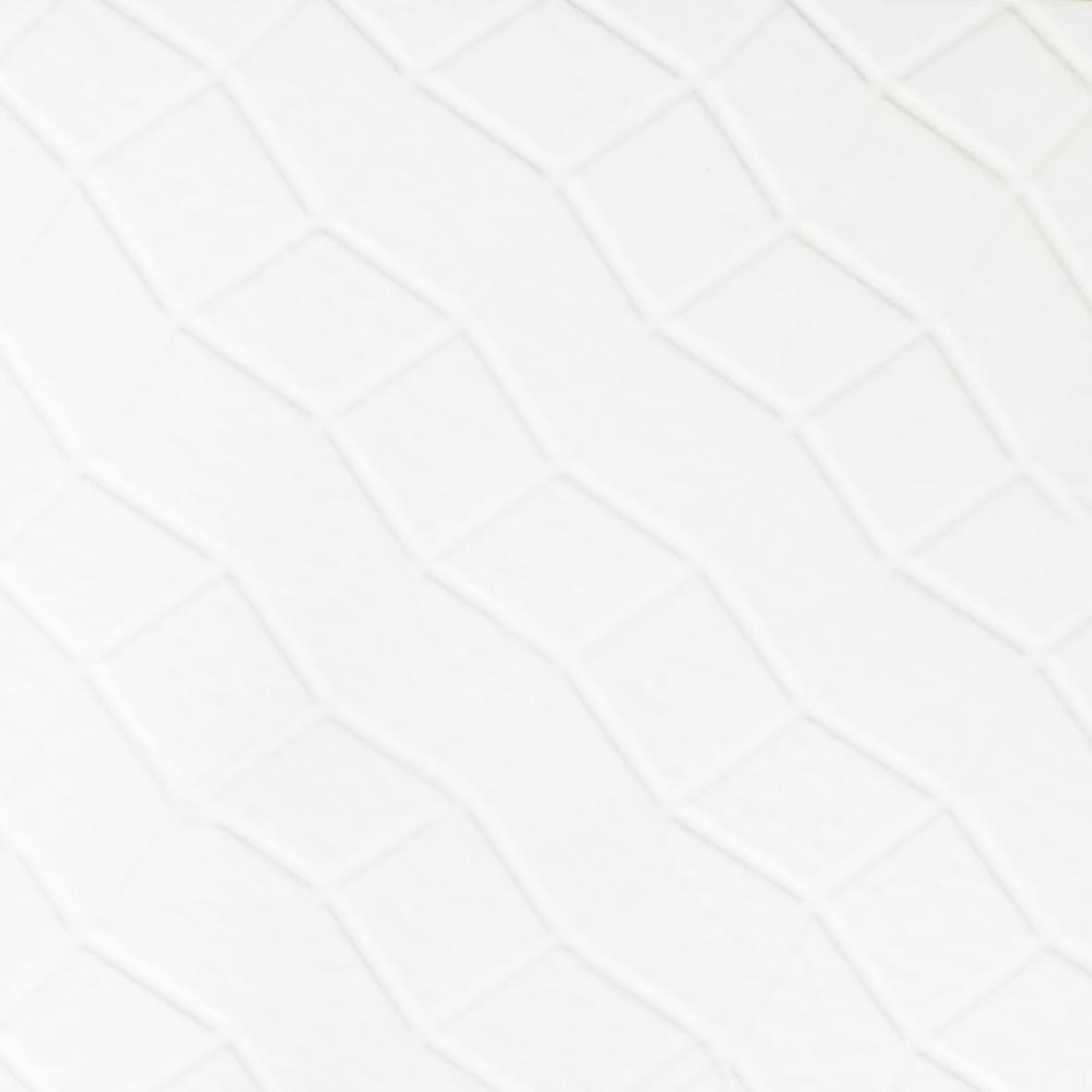
These tiles are a design tool available in various finishes and tones. Flxi tiles like the Sunrise Arch Flexi Tiles add texture too. They complement both modern and traditional architectural styles, making them dynamic in their use.
Conclusion
You do not need to be afraid of curved walls anymore! They are not construction challenges; in fact, they are another area an architect can play with, using their creativity and style – and of course, flexi tiles. With the right materials and strategy, they can become powerful assets in the interiors or exteriors of a home. Choose flexible wall tiles for architects and enhance the space with a future-ready solution. For architects seeking innovative solutions with balanced aesthetics, flexi tiles are a smart choice.
Flexible wall tiles for architects are a great solution, as they are engineered with a thin, bendable structure that allows them to be placed in curved profiles as well. Here are some advantages that make flexi tiles unique:
1. Flexibility: Can bend, making them suitable for curved walls, Pillars
2. Lightweight: Easier to handle, transport, and install.
3. Thin profile: Usually much thinner than regular tiles.
4. High adhesion: Designed to be installed with special adhesives rather than traditional cement mortar.
Yes. Flexi tiles are suitable for outdoor walls and elevations, provided:
- Proper waterproofing is done
- Recommended adhesive is used
- Correct installation practices are followed
Yes, they can but only when:
- A flexible, high-bond adhesive is used
- The surface is stable, clean, and properly prepared
- Mechanical support or backing board is provided if required
Prerna Sharma boasts 12 years of comprehensive experience in content creation and marketing strategies. For the past two years, she has served as the Content Website Editor at Orientbell Tiles, where she has been instrumental in shaping engaging online narratives. Prerna's expertise has been honed through impactful roles at CyberMedia, HT Media, and NIIT University. She holds an MBA in International Business from Amity International Business School and a Bachelor of Business Administration from Asia Pacific Institute of Management.


 600×1200 mm